In the demanding and often hazardous environment of modern mining, safety and operational efficiency are paramount. Among the myriad of technologies deployed underground and in surface operations, the mining proximity sensor stands out as a critical, yet often understated, component. These devices are fundamental to creating a safer workplace, preventing costly equipment damage, and streamlining complex processes. Unlike generic sensors, those designed for mining must withstand extreme conditions, including dust, moisture, vibration, and potentially explosive atmospheres.
A mining proximity sensor is a non-contact device that detects the presence or absence of a target object within a specified range. It does this by emitting an electromagnetic field or a beam of electromagnetic radiation and then looking for changes in the field or return signal. The primary types used in mining include inductive sensors for detecting metallic objects, capacitive sensors for material level detection, and ultrasonic sensors for distance measurement in challenging environments. The core principle is reliability without physical contact, eliminating wear and tear and reducing maintenance in inaccessible areas.
The applications within a mining operation are vast and vital. On heavy machinery like continuous miners, longwall shearers, and haul trucks, proximity sensors act as the first line of defense against collisions. They can detect the proximity of the machine to tunnel walls, other vehicles, or personnel, triggering alarms or automatically slowing or stopping equipment. This is crucial for preventing structural damage to the mine itself and, more importantly, for protecting workers. In conveyor belt systems, sensors monitor the speed and alignment of belts, detecting slippage or misalignment that could lead to catastrophic breakdowns and production halts. They are also integral to level monitoring in silos and hoppers, ensuring optimal material flow and preventing overflows or run-outs that disrupt the entire processing chain.
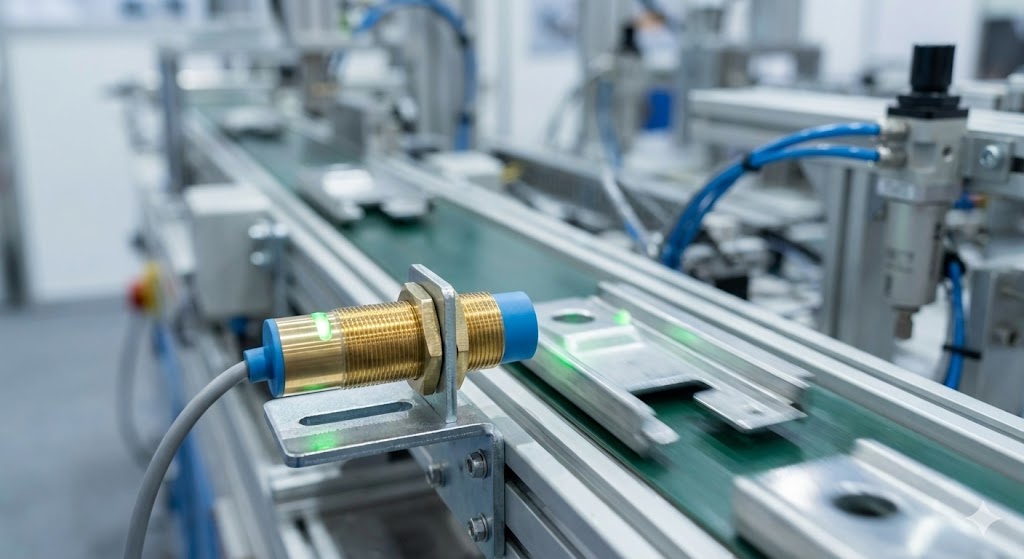
The operating environment dictates stringent requirements for these sensors. Mining-grade proximity sensors are built to be exceptionally robust. They feature heavy-duty, often stainless steel or nickel-plated brass housings with high Ingress Protection (IP) ratings, such as IP67 or IP68, making them resistant to dust and water immersion. For use in underground coal mines or other areas where flammable gases may be present, sensors must be certified as intrinsically safe or explosion-proof. This means their electrical energy is limited to levels too low to ignite a specific hazardous atmospheric mixture. Furthermore, they are designed to endure constant vibration from machinery and wide temperature fluctuations.
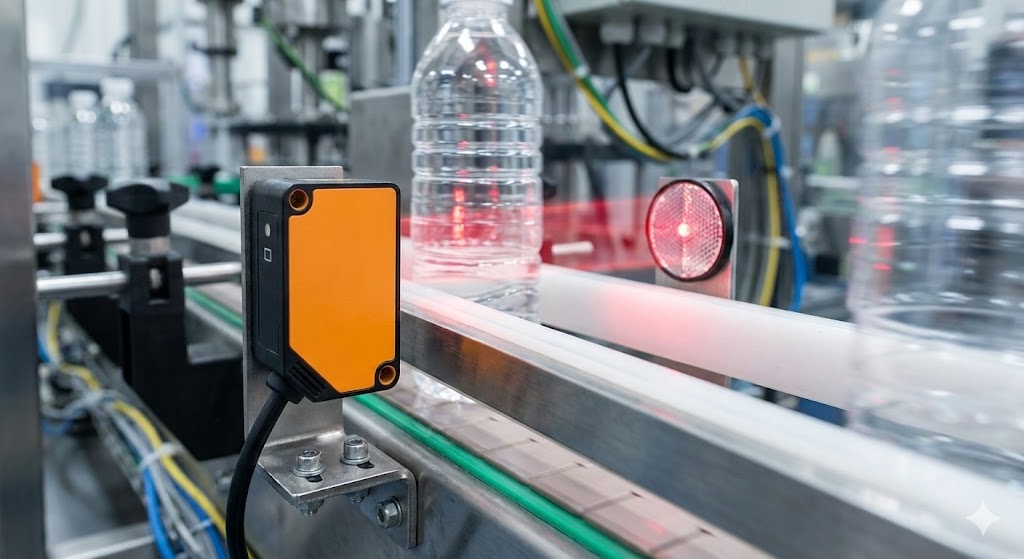
The integration of these sensors with broader control systems marks a significant leap towards "smart mining." Modern proximity sensors provide digital outputs that feed directly into Programmable Logic Controllers (PLCs) and Supervisory Control and Data Acquisition (SCADA) systems. This allows for real-time monitoring of equipment health and operational parameters from a centralized control room. Predictive maintenance becomes possible; instead of reacting to a failure, engineers can analyze sensor data trends to schedule maintenance before a critical component fails, minimizing unplanned downtime. This data-driven approach is key to improving overall equipment effectiveness (OEE).
Looking forward, the evolution of mining proximity sensors is intertwined with Industry 4.0 trends. The next generation of sensors will feature enhanced connectivity, possibly through Industrial Internet of Things (IIoT) protocols, allowing for even more granular data collection and wireless communication. Advances in sensing technology may lead to multi-parameter sensors that can detect proximity, temperature, and vibration simultaneously. Furthermore, the use of more resilient materials and designs will continue to push the boundaries of where these sensors can reliably operate, supporting mining in ever more remote and extreme locations.
In conclusion, the mining proximity sensor is far more than a simple switch. It is a sophisticated, hardened sentinel that operates silently in the background of mining operations. By providing reliable, non-contact detection, it forms the sensory foundation for automated safety systems, equipment protection, and process optimization. As mining continues to embrace digital transformation, the role of these sensors will only grow in importance, proving that sometimes the smallest components are responsible for enabling the largest industries to operate safely and efficiently. Their continued development is essential for the future of responsible and productive mineral extraction.