In the realm of industrial automation, proximity sensors are indispensable components for non-contact detection of metallic objects. Among the myriad of options available, the E2A series of inductive proximity sensors, particularly in the 3-wire configuration, stands out for its reliability, versatility, and widespread adoption. This article delves into the technical specifications, wiring methodologies, operational principles, and best practices for integrating these sensors into modern control systems.
The E2A 3-wire proximity sensor is fundamentally an electronic device that generates an oscillating electromagnetic field from its sensing face. When a ferrous or non-ferrous metallic target enters this field, it induces eddy currents, causing a change in the oscillation amplitude. This change is detected by the internal circuitry, which subsequently triggers a solid-state switching output. The "3-wire" designation refers to the standard wiring scheme: one wire for the positive supply voltage (typically labeled brown), one wire for the negative/common (blue), and one wire for the output signal (black). This configuration is a staple in DC (Direct Current) systems, offering both NPN (sinking) and PNP (sourcing) output types to interface seamlessly with programmable logic controllers (PLCs), relays, or other control devices.
Understanding the wiring is paramount. For a PNP-type E2A sensor, the brown wire connects to the positive DC supply (e.g., +24VDC), the blue wire to the negative or 0V common, and the black output wire provides a positive voltage signal to the load when the target is detected. Conversely, for an NPN-type, the brown wire remains positive, the blue wire negative, and the black output wire sinks current to ground upon detection, completing the circuit for the load. It is critical to match the sensor's output type with the input requirements of the controller to ensure proper logic and avoid potential damage. Always consult the specific datasheet for the E2A model in use, as wire color coding, voltage ranges (commonly 10-30VDC), and output current ratings can vary.
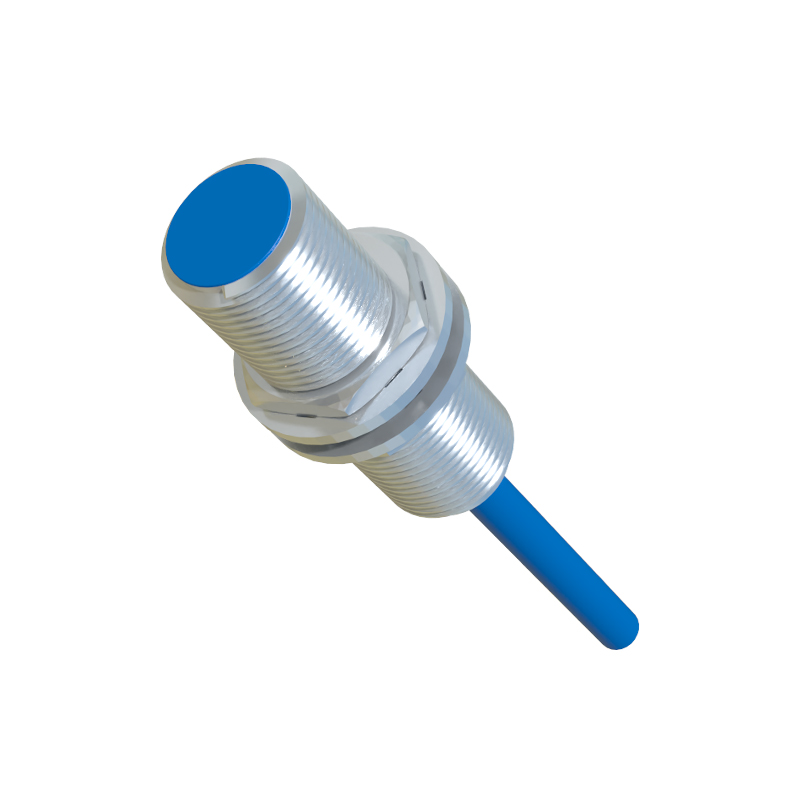
Key advantages of the E2A 3-wire design include simplified installation compared to 2-wire versions, as they do not require a minimum load current to operate correctly, leading to more stable performance. They also offer superior switching speeds and longer sensing distances for their housing size. Common applications span across conveyor systems for part counting and positioning, machine tools for tool breakage detection, robotic cells for end-effector confirmation, and automated packaging lines. Their rugged, often nickel-plated brass or stainless-steel housings provide excellent resistance to oils, coolants, and physical impacts, ensuring longevity in harsh industrial environments.
However, proper installation is crucial for optimal performance. Engineers must consider the sensor's mounting style (flush or non-flush), the target material's properties, and the presence of surrounding metals that could cause interference. Maintaining the specified sensing distance and ensuring a clean sensing face free of debris are essential. Furthermore, for applications involving multiple sensors in close proximity, careful spacing is required to prevent mutual interference, a phenomenon known as "cross-talk."
Troubleshooting typically involves checking the power supply voltage, verifying wiring connections against the diagram, and confirming the state of the output LED indicator. A multimeter can be used to measure voltage at the output wire relative to common. If the sensor fails to trigger, potential causes include an incorrect target material, a target outside the sensing range, accumulated metallic swarf on the face, or a damaged sensing coil.
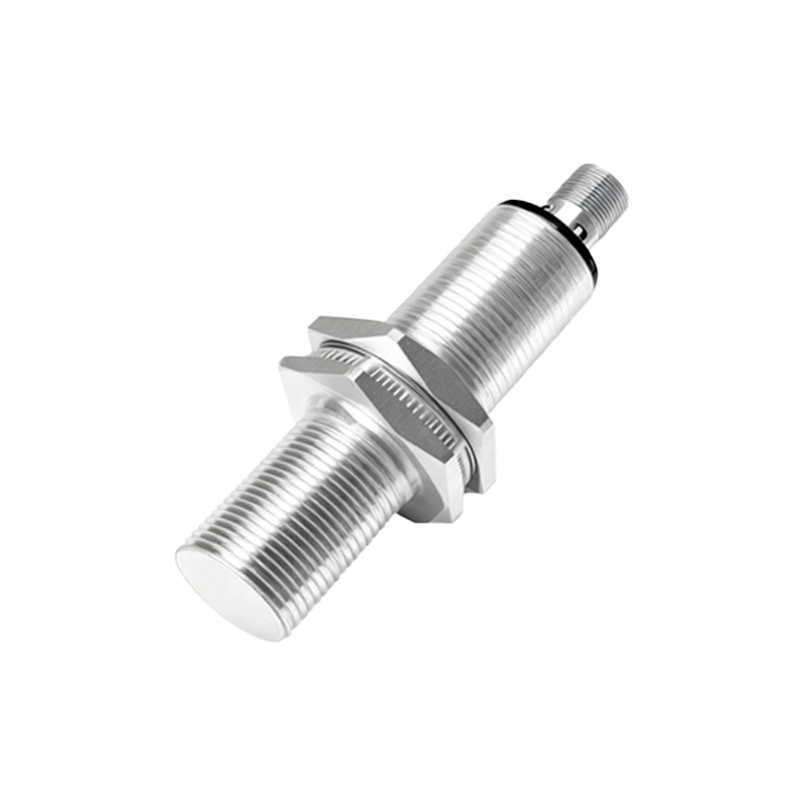
In conclusion, the E2A 3-wire proximity sensor represents a robust and flexible solution for metallic object detection. Its standardized wiring, combined with Omron's reputation for quality in the E2A series, makes it a go-to choice for engineers designing and maintaining automated systems. By adhering to proper selection criteria based on application needs and following installation guidelines, these sensors deliver precise, maintenance-free operation, contributing significantly to enhanced productivity and machine safety. As Industry 4.0 evolves, the integration of such reliable sensing technology remains a foundational element for smart, data-driven manufacturing.