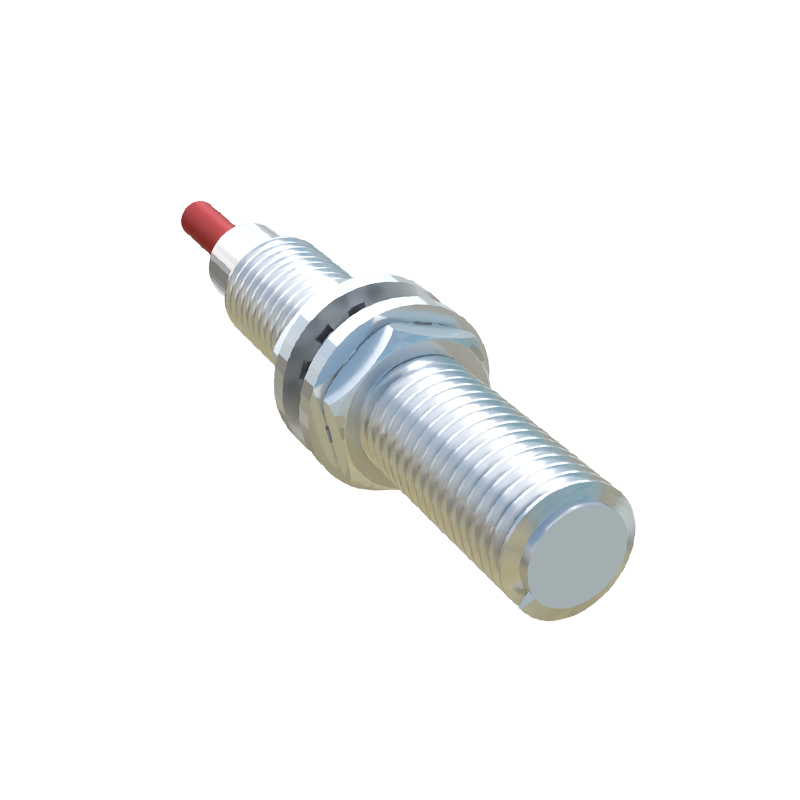
In the realm of industrial automation and electrical engineering, proximity sensors are indispensable components for detecting the presence or absence of objects without physical contact. A critical yet often overlooked aspect of these sensors is the nut model used for mounting and securing them. This guide provides a detailed overview of common proximity sensor nut models, their specifications, and selection criteria to ensure optimal performance and reliability in various applications.
Proximity sensor nuts, typically made from materials like stainless steel, brass, or plated steel, serve to fasten sensors to mounting brackets, panels, or machinery. The choice of nut model directly impacts the sensor's stability, alignment, and resistance to environmental factors such as vibration, moisture, and temperature fluctuations. Common thread standards include metric (e.g., M8, M12, M18, M30) and imperial (e.g., 1/2"-20, 3/4"-16) sizes, which correspond to the sensor's housing diameter. For instance, M12 sensors often use M12 nuts with a hex design for easy wrench tightening, while larger M30 models may require flange nuts for added support.
Key nut models vary by design: standard hex nuts are widely used for general-purpose applications; lock nuts with nylon inserts or deformed threads prevent loosening under vibration; flange nuts offer a broader bearing surface to distribute load and protect mounting surfaces; and waterproof nuts with sealing washers are essential in humid or washdown environments. Additionally, some specialized nuts feature anti-rotation tabs or captive designs to simplify installation in tight spaces. When selecting a nut, engineers must consider factors like thread pitch, material compatibility with the sensor and environment, torque specifications (usually 5-20 Nm depending on size), and compliance with industry standards such as ISO, DIN, or ANSI.
In practice, mismatched nuts can lead to sensor misalignment, false triggers, or premature failure. For example, using an incorrect thread pitch may cause cross-threading, damaging the sensor housing. It's advisable to consult manufacturer datasheets, which often specify recommended nut models and part numbers. As technology evolves, newer sensor designs incorporate integrated mounting systems, but traditional nuts remain prevalent in retrofit and custom setups. By understanding these nut models, professionals can enhance system durability, reduce maintenance costs, and ensure seamless operation in automation, automotive, packaging, and robotics industries.