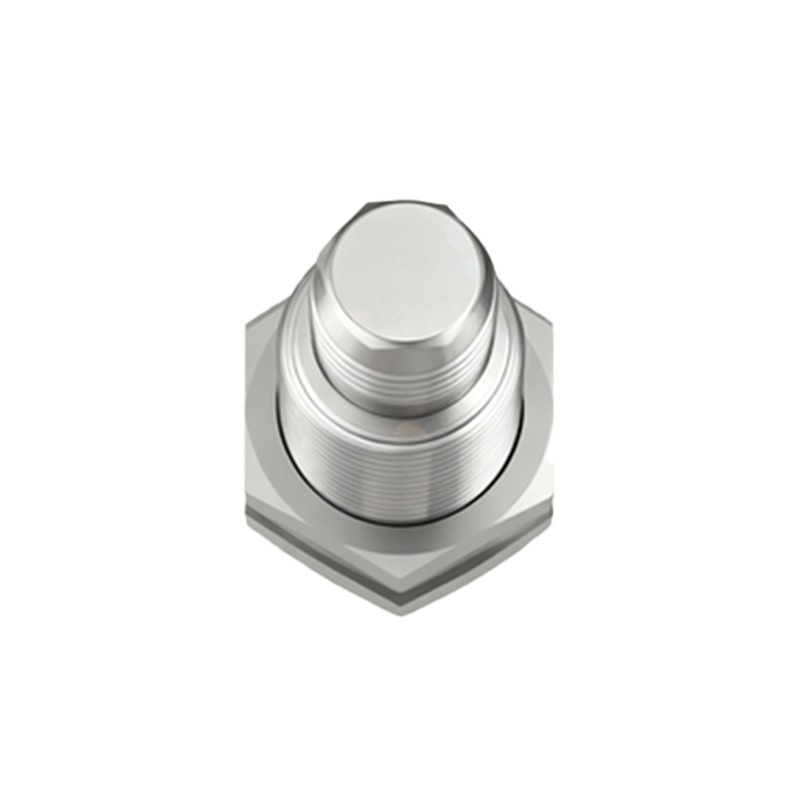
In the realm of industrial automation and control systems, the term "genuine" or "original" when referring to proximity sensors carries significant weight and specific implications. A genuine proximity sensor signifies a product that is manufactured, branded, and supplied directly by the original equipment manufacturer (OEM) or through its authorized distribution channels. This concept extends far beyond mere branding; it encompasses a comprehensive guarantee of quality, performance, and reliability that is intrinsically linked to the sensor's design specifications.
At its core, a proximity sensor is a non-contact electronic device designed to detect the presence or absence of an object within its sensing range without physical contact. These sensors are fundamental components in countless applications, from assembly line automation and robotic guidance to safety interlocks and material handling. When such a critical component is specified as "genuine," it assures the end-user that the sensor has been engineered and produced to meet the exacting standards set forth by the OEM. This includes precise adherence to electrical characteristics (such as operating voltage, output type, and switching frequency), mechanical dimensions, housing materials (often rated for specific IP levels for dust and water ingress protection), and environmental tolerances for temperature, shock, and vibration.
The importance of opting for genuine proximity sensors cannot be overstated, particularly in high-stakes industrial environments. First and foremost is performance consistency. OEMs invest substantial resources in research, development, and rigorous testing protocols. A genuine sensor delivers the exact sensing distance, repeat accuracy, and response time documented in its datasheet. This predictability is crucial for maintaining the cycle time and efficiency of automated processes. A non-genuine or counterfeit part may exhibit drift, inconsistent detection, or premature failure, leading to costly production downtime, defective products, or even safety hazards.
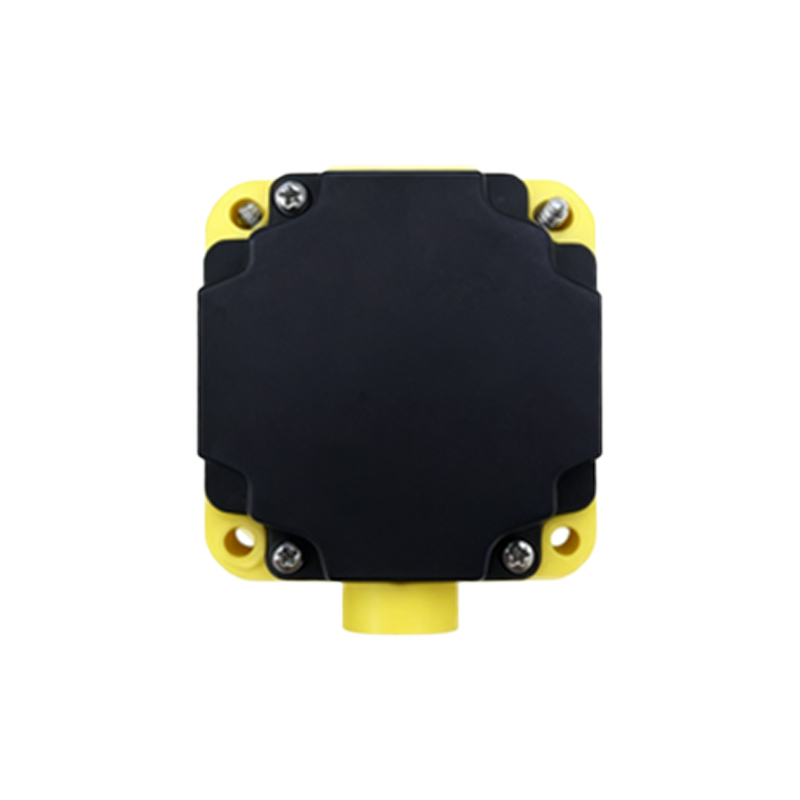
Secondly, compatibility and integration are seamless with genuine components. Manufacturers often design their sensors to work optimally within their own ecosystem of controllers, amplifiers, and cabling. Using the specified genuine sensor ensures perfect electrical and communication compatibility, avoiding issues like signal noise, incorrect load handling, or communication protocol mismatches that can plague systems built with alternative parts.
Thirdly, longevity and durability are hallmarks of genuine products. They are constructed with quality materials and components designed to withstand the harsh conditions typical of industrial settings—exposure to oils, coolants, metal chips, and constant operational cycles. The internal circuitry is protected against voltage spikes, electromagnetic interference (EMI), and reverse polarity, features that may be compromised or absent in inferior copies.
Furthermore, the supply chain integrity of a genuine proximity sensor is a critical aspect. Authorized distributors source products directly from the OEM, ensuring that the sensor has not been subjected to improper storage, handling, or potential tampering. It also guarantees that the product is the latest revision, incorporating any design improvements or firmware updates.
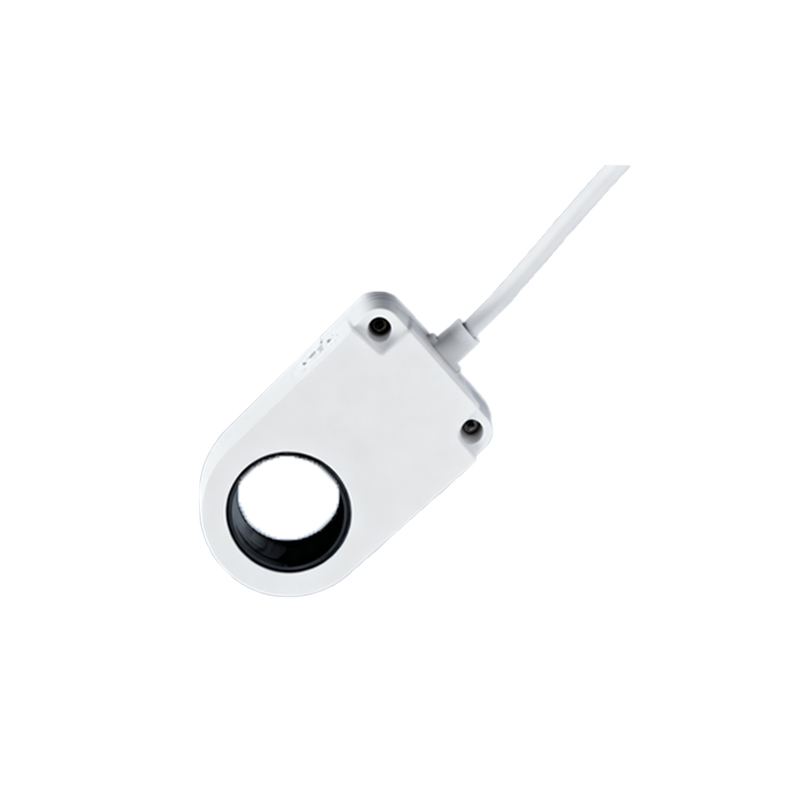
Perhaps one of the most compelling arguments for genuine sensors is the support structure that accompanies them. This includes comprehensive technical documentation, accurate datasheets, application notes, and 2D/3D models for easy integration into machine design. Most importantly, it includes access to manufacturer's warranty and technical support. In the event of a suspected failure, engineers can rely on the OEM's expertise for troubleshooting and replacement, a service rarely available with non-genuine alternatives.
In contrast, the market is flooded with look-alike, compatible, or counterfeit sensors that may appear similar externally but differ drastically in internal construction and performance. These alternatives often cut corners on materials, omit protective circuits, and lack consistent quality control. While their initial purchase price may be lower, the total cost of ownership can be exponentially higher due to increased failure rates, maintenance labor, and production losses.
In conclusion, specifying a "genuine" proximity sensor is a decision rooted in risk management and a commitment to system integrity. It is a declaration that the sensor's proven performance, reliability, and the full backing of the manufacturer are non-negotiable requirements for the application. For system integrators, plant engineers, and maintenance professionals, insisting on genuine OEM proximity sensors is not merely a procurement preference; it is a fundamental engineering best practice that safeguards productivity, quality, and safety in automated industrial operations.