In the realm of industrial monitoring and process control, the precise measurement of moisture content is a critical parameter across numerous sectors, including power generation, semiconductor manufacturing, pharmaceuticals, and food processing. Traditional moisture sensing techniques, such as capacitive, resistive, or chilled mirror hygrometers, have served industries for decades. However, these methods often face limitations in terms of response time, accuracy in extreme conditions, and susceptibility to contamination. The advent of laser-based micro-moisture sensors represents a significant technological leap, offering unparalleled precision, stability, and non-intrusive measurement capabilities.
Laser micro-moisture sensors operate on the fundamental principle of Tunable Diode Laser Absorption Spectroscopy (TDLAS). This technique involves directing a narrowly tuned laser beam through a gas sample. Water vapor molecules (H₂O) absorb specific wavelengths of infrared light. By precisely tuning the laser's wavelength across one of these absorption lines and measuring the attenuation of the light beam, the sensor can quantify the concentration of water vapor with extreme accuracy. The key components typically include a tunable diode laser source, a sample cell or open-path measurement zone, a photodetector, and sophisticated signal processing electronics. The laser is modulated at a high frequency, allowing for sensitive detection even in the presence of background noise or other interfering gases.
The advantages of this technology are manifold. Firstly, the accuracy and sensitivity are exceptional, capable of detecting moisture levels down to parts-per-billion (ppb) or even parts-per-trillion (ppt) ranges in controlled environments. This is crucial for applications like ultra-high-purity gas lines in semiconductor fabs or moisture in transformer insulation oil, where even trace amounts of water can cause catastrophic failures or reduce product yield. Secondly, the response time is remarkably fast, often in the millisecond range, enabling real-time process control and rapid detection of moisture ingress. Thirdly, the non-contact nature of the measurement eliminates issues of sensor poisoning, corrosion, or drift associated with sensors that must directly interact with the process medium. This leads to significantly lower maintenance requirements and higher long-term reliability.
Industrial applications are diverse and demanding. In the power sector, continuous online monitoring of hydrogen coolant moisture in generators or moisture in SF₆ gas in high-voltage switchgear is vital for preventing insulation breakdown and ensuring grid stability. The pharmaceutical industry relies on precise moisture measurement in lyophilization (freeze-drying) processes and in controlled atmosphere packaging. In natural gas pipelines, monitoring moisture content is essential to prevent hydrate formation and corrosion. Furthermore, laser sensors are increasingly deployed in atmospheric research and environmental monitoring due to their ability to perform in-situ measurements over long paths.
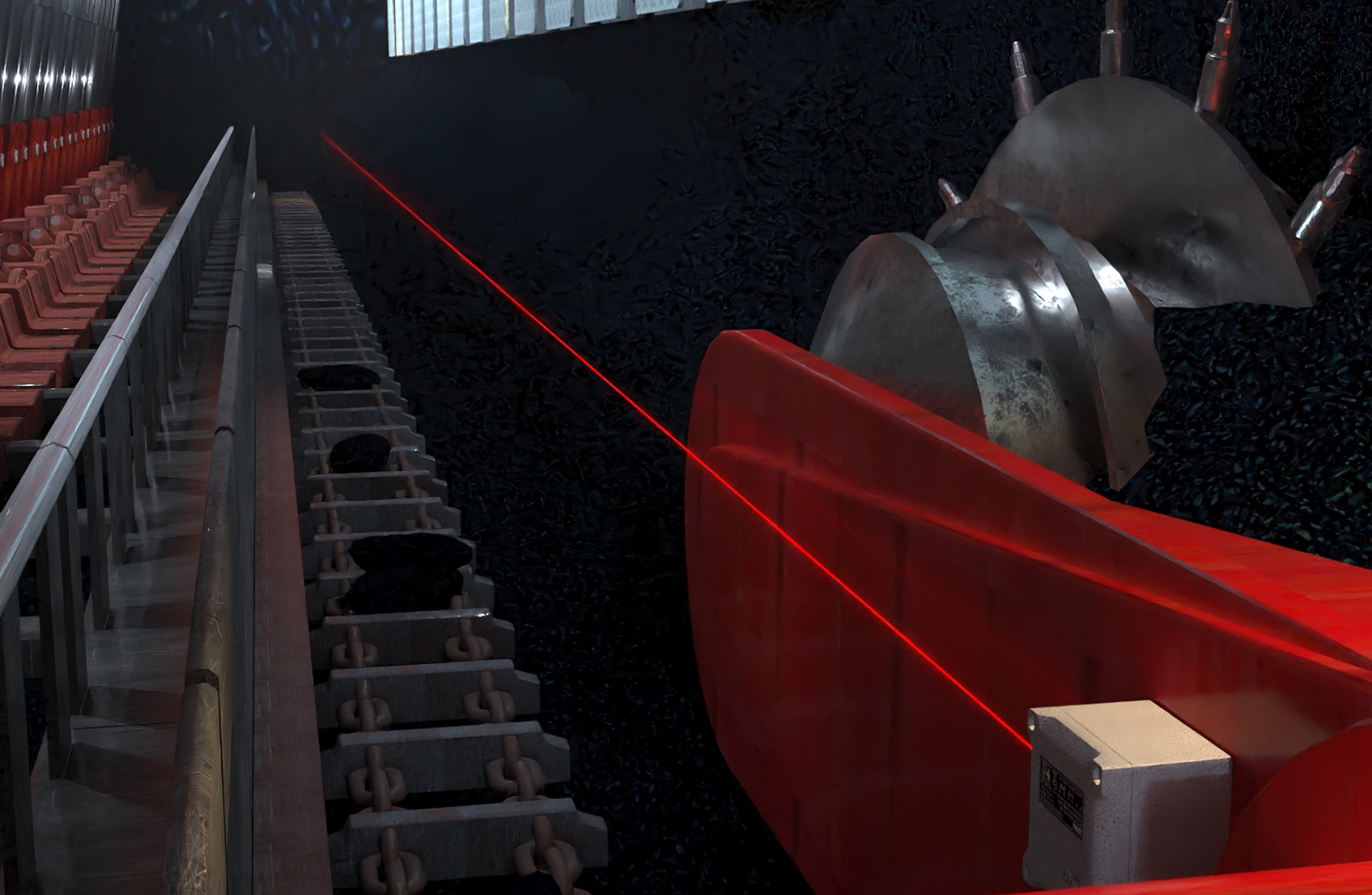
Despite their superior performance, the adoption of laser micro-moisture sensors involves considerations. The initial capital cost is generally higher than that of conventional sensors. Their optimal performance requires careful optical alignment and, in some configurations, sample conditioning to prevent window fogging or contamination. However, the total cost of ownership often proves favorable when factoring in reduced downtime, minimal calibration needs, and the prevention of costly process deviations or equipment damage.
Recent advancements focus on miniaturization, integration with Industrial Internet of Things (IIoT) platforms, and the development of multi-gas analyzers that can simultaneously measure moisture alongside other critical gases like oxygen or carbon dioxide. The integration of advanced algorithms and machine learning for predictive maintenance and anomaly detection further enhances their value proposition.
In conclusion, laser micro-moisture sensor technology has matured from a laboratory curiosity to a robust industrial solution. By providing fast, accurate, and reliable moisture data, it empowers engineers to optimize processes, ensure product quality, enhance safety, and protect critical infrastructure. As industries continue to push the boundaries of precision and efficiency, the role of advanced optical sensing technologies like TDLAS will only become more central to modern industrial automation and control systems.