In the realm of industrial automation and object detection, capacitive proximity sensors stand out as versatile and reliable components. Unlike their inductive counterparts that detect only metals, capacitive sensors can detect a vast array of materials, including liquids, powders, plastics, wood, and glass. This capability makes them indispensable in diverse applications, from packaging and food processing to chemical handling and level control. A high-quality capacitive proximity sensor is not merely a switch; it is a sophisticated device whose performance hinges on precise engineering and robust construction.
The fundamental operating principle is based on capacitance change. The sensor forms one plate of a capacitor, with the target object acting as the other plate. An oscillator circuit generates an electrostatic field from the sensor's active surface. When a target enters this field, it alters the dielectric constant and thus the capacitance of the system. This change is evaluated by the internal circuitry. Once the change exceeds a predefined threshold, the sensor's output state switches. Advanced models feature adjustable sensitivity, allowing engineers to fine-tune the sensing range and ignore interfering materials like container walls. This is crucial for applications such as detecting liquid levels through a non-metallic tank.
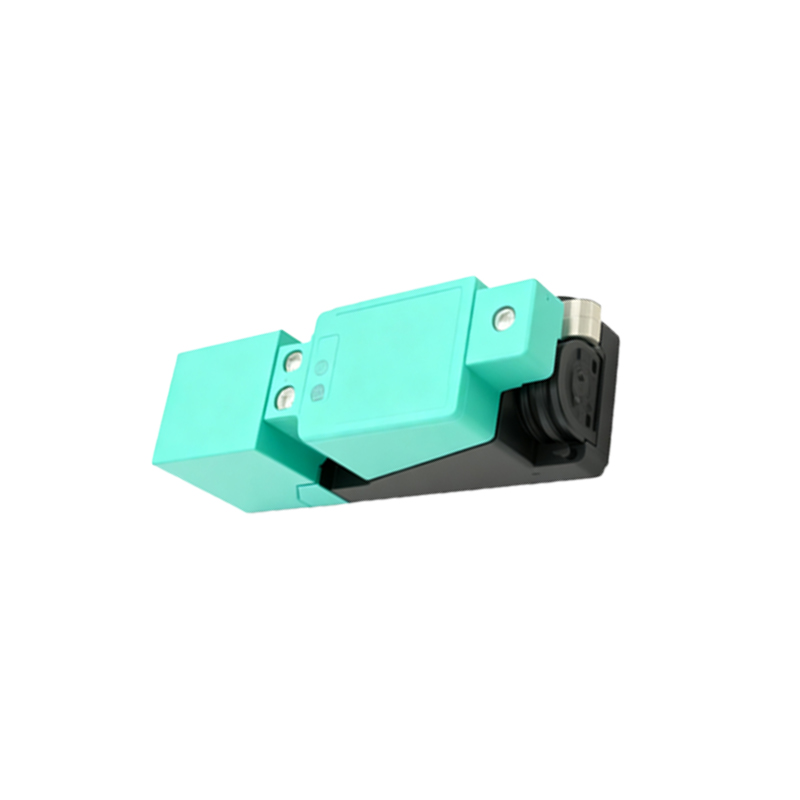
The construction of a premium capacitive sensor is critical for longevity and stability. The sensing face is typically made from a high-grade, chemically resistant polymer like PBT or PPS. This ensures the sensor can withstand exposure to aggressive cleaning agents, oils, and coolants common in industrial environments. The housing is often constructed from stainless steel (e.g., V4A/AISI 316) or nickel-plated brass, offering excellent corrosion resistance. Potting the internal electronics with a specialized compound protects against vibration, thermal shock, and humidity, preventing condensation-related failures. The oscillator and evaluation circuits in top-tier sensors are designed for high stability, minimizing drift due to temperature fluctuations or supply voltage variations, which is a common pitfall of lower-quality units.
Key performance parameters define a sensor's quality. The nominal sensing range (Sn) is specified for a standard target (often grounded metal). Real-world sensing distance for non-metallic materials is typically less and depends on the material's dielectric constant. A high-quality sensor provides a clear derating curve in its datasheet. Repeat accuracy, perhaps the most critical metric, indicates how consistently the sensor can detect an object at the same point. Premium sensors boast repeat accuracies within fractions of a percent of the sensing range. Switching frequency defines how quickly the sensor can respond to objects passing by, essential for high-speed counting tasks. Additionally, features like short-circuit protection, reverse polarity protection, and overload protection are hallmarks of a robust design, safeguarding both the sensor and the control system.
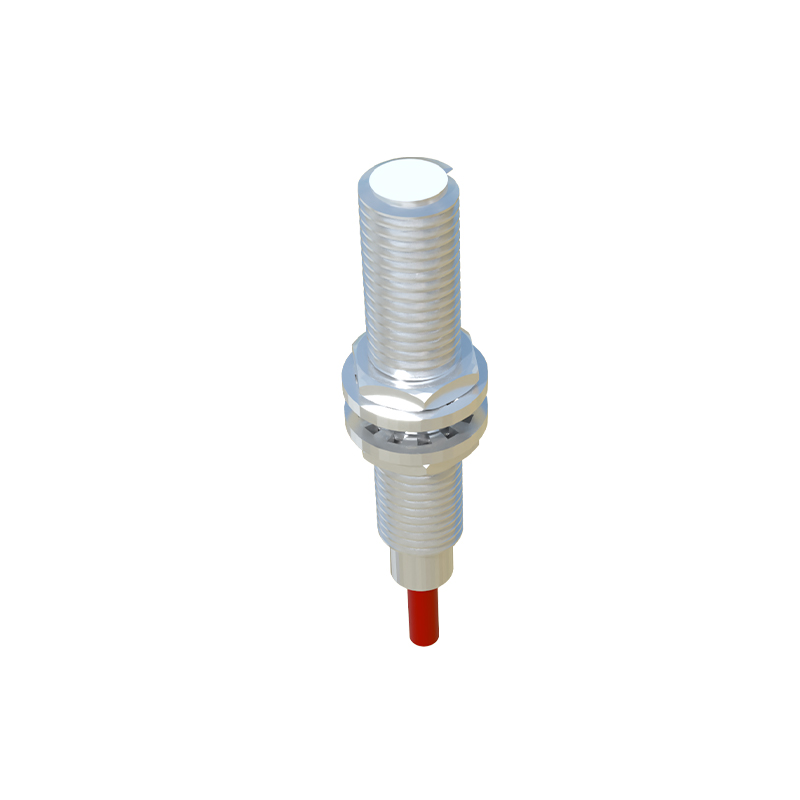
Selecting the right capacitive sensor requires a careful analysis of the application. For level detection of granular solids or foamy liquids, a sensor with a large active surface and high sensitivity is ideal. In bottling lines, miniature sensors are used to detect fill levels through glass or plastic. For adhesive or paste detection, sensors with a flush or flat design prevent material buildup. The output type (PNP/NPN, NO/NC, analog, or IO-Link) must match the controller's input card. IO-Link capable sensors are becoming increasingly valuable, offering digital parameter setting, continuous process data monitoring, and advanced diagnostics, enabling predictive maintenance strategies.
Installation and environmental considerations are paramount. While capacitive sensors are less susceptible to mounting metal than inductive sensors, they can be influenced by surrounding conductive materials. Maintaining the recommended clearance from adjacent metal and other sensors prevents mutual interference. For applications involving large containers of non-conductive materials, a compensating electrode or a grounded ring around the sensor can help stabilize the field. Operating temperature range, IP rating (e.g., IP67, IP69K for washdown areas), and approval marks (UL, CSA, CE) must align with the operational environment.
In conclusion, a high-quality capacitive proximity sensor is a precision instrument engineered for reliability and adaptability. Its value lies in its material-agnostic detection capability, built to endure harsh conditions while providing stable, accurate signals. By understanding the underlying principles, construction quality, key specifications, and application nuances, engineers and technicians can specify and deploy these sensors to solve complex detection challenges, thereby enhancing process efficiency, safety, and automation system intelligence. Investing in well-engineered sensors from reputable manufacturers ultimately reduces downtime and total cost of ownership, proving that in automation, the quality of sensing is foundational to the quality of control.