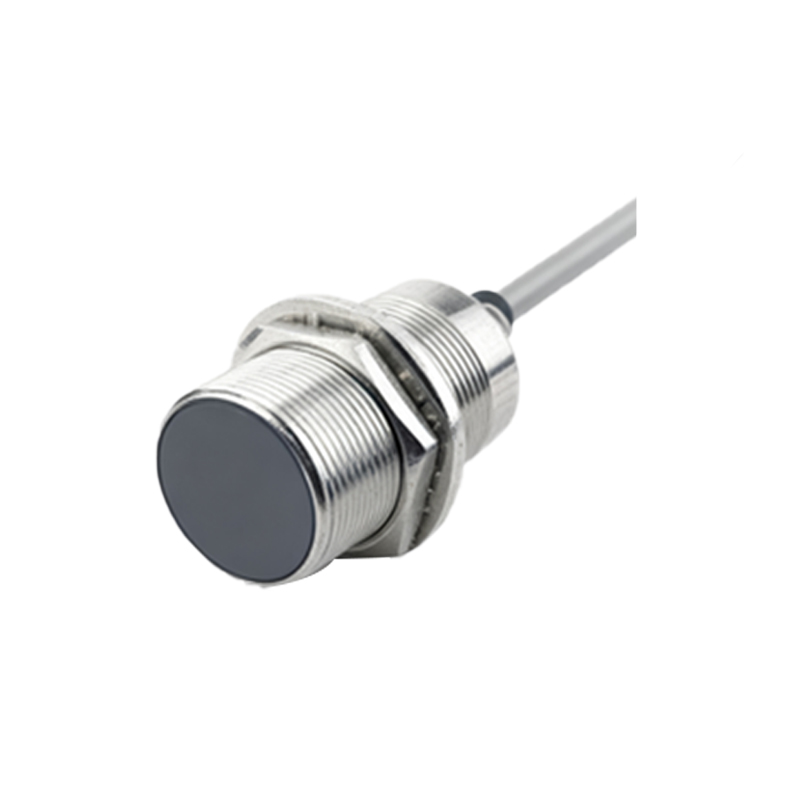
In the realm of craftsmanship manufacturing, where intricate details and high-quality finishes are paramount, the integration of advanced industrial technology has become a game-changer. Among these technologies, proximity sensors stand out as critical components that significantly enhance operational precision, safety, and efficiency. This article delves into the application, benefits, and future trends of proximity sensors within craft-based production environments, such as those found in artisanal workshops and specialty factories.
Proximity sensors are non-contact devices that detect the presence or absence of objects within a specific range. They operate based on various principles, including inductive, capacitive, and magnetic sensing, making them versatile for diverse materials like metals, plastics, and ceramics—common in craft manufacturing. In a typical craft workshop, these sensors are employed in automated machinery to monitor tool positions, control robotic arms for delicate tasks, and ensure consistent product quality. For instance, in a pottery factory, inductive proximity sensors can detect metal molds on conveyor belts, triggering precise timing for shaping or glazing processes without physical contact, thereby reducing wear and tear on both tools and products.
The adoption of proximity sensors in craft manufacturing offers numerous advantages. Firstly, they improve accuracy by enabling micron-level detection, which is essential for producing fine art pieces or jewelry where even minor deviations can compromise aesthetics. Secondly, these sensors enhance safety by preventing accidents; for example, in glassblowing facilities, capacitive sensors can halt equipment when a worker’s hand approaches hazardous zones. Thirdly, efficiency gains are substantial—automated systems with proximity sensors reduce manual labor, minimize errors, and accelerate production cycles. A case study from a boutique watchmaking factory illustrates this: by integrating magnetic proximity sensors into assembly lines, the facility achieved a 30% reduction in assembly time and a 20% decrease in material waste, leading to higher profitability and sustainability.
Despite these benefits, challenges exist in implementing proximity sensors in craft settings. Many artisanal factories operate on smaller scales with limited budgets, making initial investments in sensor technology daunting. Additionally, the unique, often custom-made nature of craft products requires tailored sensor configurations, necessitating expertise that may be scarce. To address this, manufacturers can opt for modular sensor systems that offer flexibility and scalability. Training staff on basic maintenance and calibration is also crucial to maximize sensor lifespan and performance.
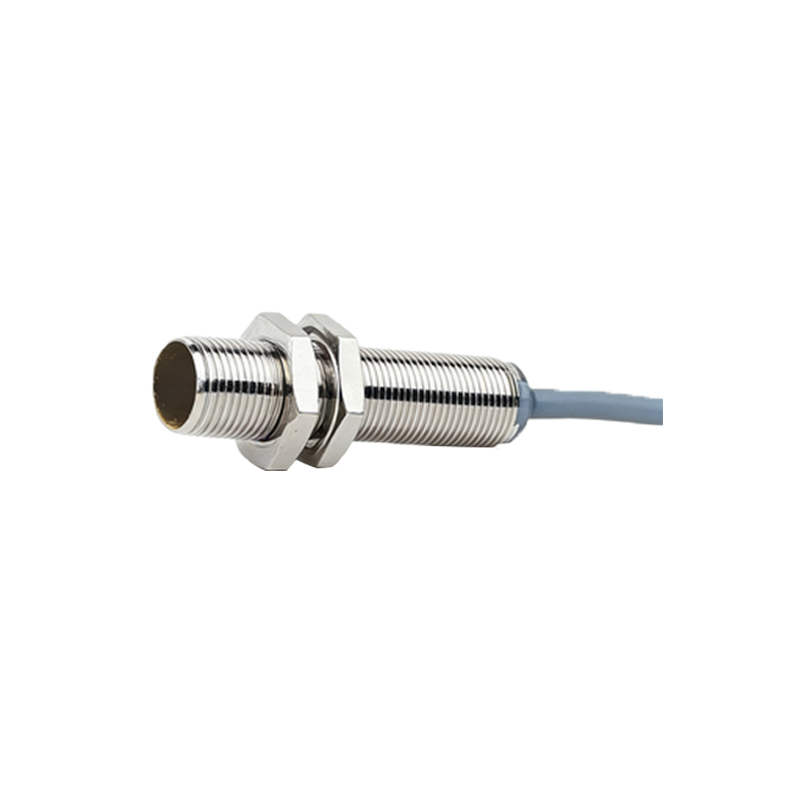
Looking ahead, the future of proximity sensors in craftsmanship manufacturing is promising, driven by trends like the Internet of Things (IoT) and smart automation. IoT-enabled sensors can provide real-time data analytics, allowing factory managers to monitor production metrics remotely and predict maintenance needs. For example, in a sculpture workshop, wireless proximity sensors could track tool usage patterns, optimizing workflows and reducing downtime. Moreover, advancements in miniaturization and energy efficiency are making sensors more accessible to small-scale artisans, fostering innovation in traditional crafts.
In conclusion, proximity sensors are not just tools for large-scale industrial plants; they are transformative assets for craft-based manufacturing. By embracing these technologies, artisanal factories can uphold their commitment to quality while modernizing operations. As the industry evolves, continued collaboration between engineers and craftsmen will be key to unlocking new creative possibilities and ensuring that heritage skills thrive in a tech-driven world.