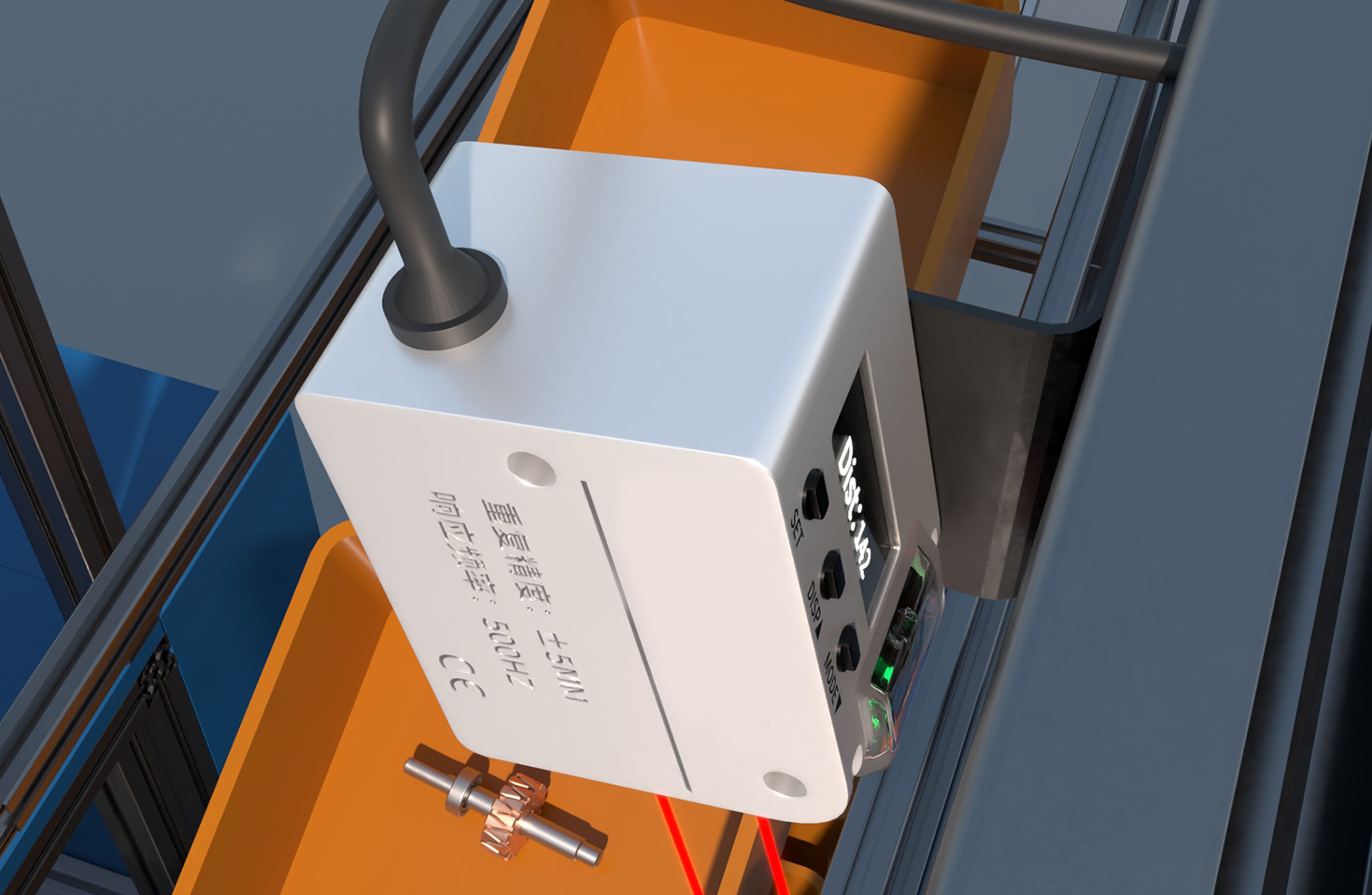
In the rapidly evolving landscape of industrial automation, precision measurement and reliable data acquisition are paramount. Advanced laser multi-sensor systems have emerged as a cornerstone technology, offering unparalleled capabilities for complex inspection, guidance, and quality control tasks. Unlike single-point or single-technology sensors, these sophisticated systems integrate multiple laser-based sensing modalities—such as triangulation, time-of-flight (ToF), confocal chromatic, and laser line profiling—into a single, coordinated unit. This integration enables the simultaneous capture of diverse data types, including high-resolution 3D profiles, precise distance measurements, and surface characteristic analysis, from a single measurement cycle.
The core advantage of a laser multi-sensor system lies in its holistic approach to metrology. For instance, in automotive assembly line applications, a single system can perform a complete inspection of a welded component. A laser line profiler can rapidly generate a dense point cloud to verify the seam's geometry and detect any gaps or misalignment. Simultaneously, a confocal chromatic sensor can measure the precise height of the weld bead, ensuring it meets stringent thickness specifications. Meanwhile, a ToF sensor can monitor the overall presence and position of the part within the work cell. This multi-faceted inspection, performed in real-time, eliminates the need for multiple standalone sensors, reduces cycle time, and minimizes integration complexity.
The architecture of these systems is designed for robustness and flexibility. A typical system comprises a central processing unit with powerful data fusion algorithms, multiple laser emitter and receiver modules configured for different principles of operation, and often integrated lighting solutions. Communication is typically handled via industrial Ethernet protocols like EtherCAT or PROFINET, ensuring seamless integration into larger Industry 4.0 frameworks. The software suite is equally critical, providing tools for sensor calibration, coordinate system alignment, and the creation of complex inspection routines that correlate data from all sensor channels to make a definitive pass/fail judgment.
Key application areas demonstrate the transformative impact of laser multi-sensor technology. In electronics manufacturing, these systems inspect solder paste deposition, component placement accuracy, and PCB warpage in one go. In logistics and warehousing, they combine volume measurement, barcode reading, and label verification for automated parcel handling. For heavy industries like metal fabrication, they perform defect detection (cracks, scratches), dimensional verification, and robotic path guidance for tasks like welding or cutting, all based on a comprehensive 3D model of the workpiece.

However, deploying such systems requires careful consideration. Environmental factors like ambient light, vibrations, and the reflectivity of target surfaces must be managed. The initial calibration and synchronization of multiple sensors are complex but crucial for measurement accuracy. Furthermore, the large volumes of data generated demand significant processing power and intelligent data management strategies to extract actionable insights without creating bottlenecks.
Looking forward, the convergence of laser multi-sensor systems with artificial intelligence and edge computing is set to unlock even greater potential. AI algorithms can learn from the fused sensor data to identify subtle defect patterns invisible to traditional rule-based programming. Predictive maintenance models can analyze trends from vibration and distance sensors to forecast equipment failures. As sensors become smaller, more powerful, and less expensive, their deployment will expand into new sectors, driving forward the vision of fully autonomous, self-optimizing smart factories.
In conclusion, laser multi-sensor systems represent a significant leap beyond conventional sensing. By providing a comprehensive, synchronized, and high-precision digital twin of the physical manufacturing environment, they are indispensable tools for enhancing quality, boosting productivity, and enabling the flexible automation required in modern industry. Their continued development is intrinsically linked to the advancement of intelligent manufacturing worldwide.