In the realm of industrial automation, the ability to detect objects without physical contact is paramount. Long range proximity sensors have emerged as critical components, offering reliable detection over extended distances, thereby revolutionizing processes in manufacturing, logistics, and safety systems. These sensors operate on various principles, including inductive, capacitive, ultrasonic, and photoelectric technologies, each tailored to specific applications and environmental conditions.
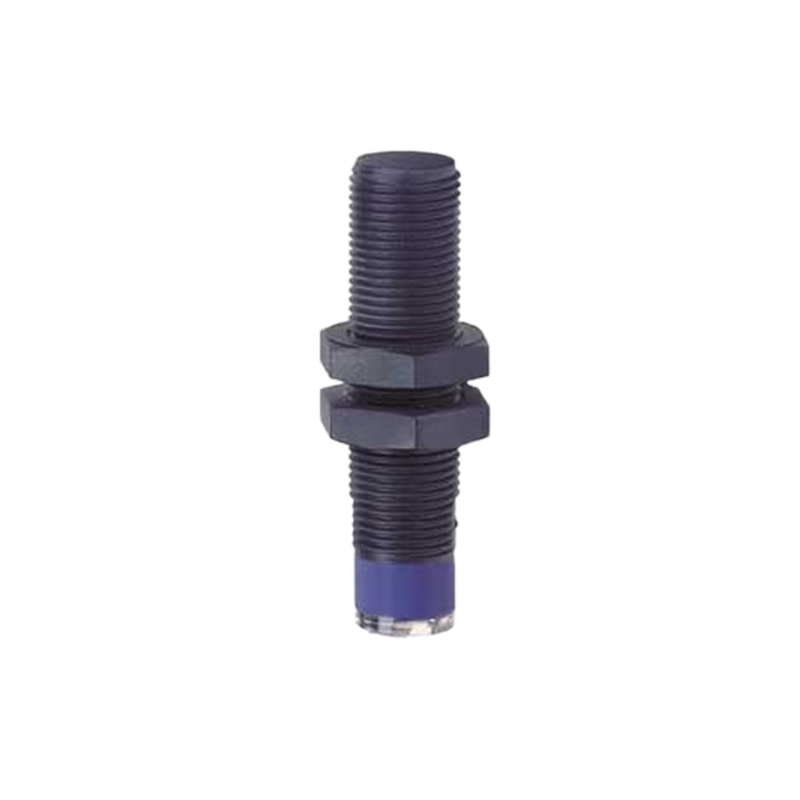
Inductive proximity sensors are widely used for detecting metallic objects. They generate an electromagnetic field and sense changes caused by metallic targets. While traditional inductive sensors have limited ranges, advanced long-range models can detect ferrous metals at distances up to 150 mm, making them ideal for heavy machinery and automotive assembly lines. Their robustness against dust, oil, and moisture ensures consistent performance in harsh industrial settings.
Capacitive proximity sensors, on the other hand, can detect both metallic and non-metallic materials, such as plastics, liquids, and wood. By measuring changes in capacitance, these sensors offer ranges extending to 80 mm. They are particularly valuable in packaging industries, where detecting varied materials on conveyor belts is essential. However, environmental factors like humidity can influence their sensitivity, necessitating careful calibration.
Ultrasonic sensors utilize sound waves to detect objects, providing some of the longest ranges among proximity sensors—often exceeding 10 meters. They emit high-frequency pulses and measure the time taken for echoes to return. This technology is versatile, suitable for level monitoring in tanks, obstacle detection in automated guided vehicles (AGVs), and presence sensing in warehouses. Despite their effectiveness, ultrasonic sensors may be affected by temperature fluctuations and acoustic interference, requiring periodic maintenance.
Photoelectric sensors, including through-beam, retro-reflective, and diffuse types, employ light beams for detection. Long-range photoelectric sensors can achieve distances over 100 meters in clear conditions. Through-beam sensors, with separate emitter and receiver units, offer high accuracy for precise positioning in logistics and material handling. Diffuse sensors, which reflect light off targets, are simpler to install but have shorter ranges. These sensors are sensitive to ambient light and contaminants, so selecting the right model based on the application is crucial.
The integration of long range proximity sensors into Industry 4.0 frameworks has further amplified their impact. With IoT connectivity, these sensors provide real-time data for predictive maintenance, reducing downtime and enhancing efficiency. For instance, in automotive plants, sensors monitor robotic arm movements, preventing collisions and ensuring worker safety. In smart warehouses, they track inventory flow, optimizing storage and retrieval processes.
Safety applications cannot be overstated. Long-range sensors are deployed in hazardous areas to detect personnel intrusions or machine malfunctions, triggering alarms or shutdowns to prevent accidents. In mining and construction, they monitor equipment proximity to avoid collisions in blind spots. Compliance with international standards, such as IEC 60947-5-2, ensures these sensors meet rigorous safety and performance criteria.
When selecting a long range proximity sensor, engineers must consider factors like target material, environmental conditions, required range, and response time. Regular calibration and maintenance are essential to sustain accuracy. Emerging trends, including the use of LiDAR and advanced AI algorithms, promise even greater ranges and smarter detection capabilities, paving the way for more autonomous and resilient industrial systems.
In conclusion, long range proximity sensors are indispensable tools in modern industry, driving automation, efficiency, and safety. By understanding their technologies and applications, businesses can leverage these sensors to stay competitive in an increasingly automated world.