In the realm of industrial automation and precision control, proximity sensors are indispensable components. Among the diverse array of sensor technologies, the hourglass proximity sensor has emerged as a specialized and highly effective solution for specific detection challenges. This article delves into the principles, design, applications, and advantages of this unique sensor type.
Fundamentally, an hourglass proximity sensor is a type of inductive proximity sensor. Its name derives from its distinctive physical shape, which resembles an hourglass or a dumbbell. This design features a narrowed central section flanked by two broader ends. One end typically houses the sensing coil and electronics, while the other end serves as the mounting or connection point. The sensing face is located at one of the broad ends. This geometry is not merely aesthetic; it is a critical engineering feature that enables installation in spaces where standard cylindrical or rectangular sensors cannot fit. The slender waist allows the sensor to be mounted through a narrow hole or a tight bracket, positioning the sensing head precisely where detection is required.
The operating principle aligns with standard inductive proximity sensing. The sensor generates an oscillating electromagnetic field from its active face. When a metallic target object enters this field, eddy currents are induced on the target's surface. This causes a change in the oscillation amplitude within the sensor's coil. The sensor's internal circuitry detects this change and triggers a solid-state switch, sending an output signal. The key differentiator of the hourglass sensor is its form factor, not its core detection physics. It is designed to detect ferrous and non-ferrous metals, with sensing ranges specified by the manufacturer, typically ranging from a few millimeters to several centimeters.
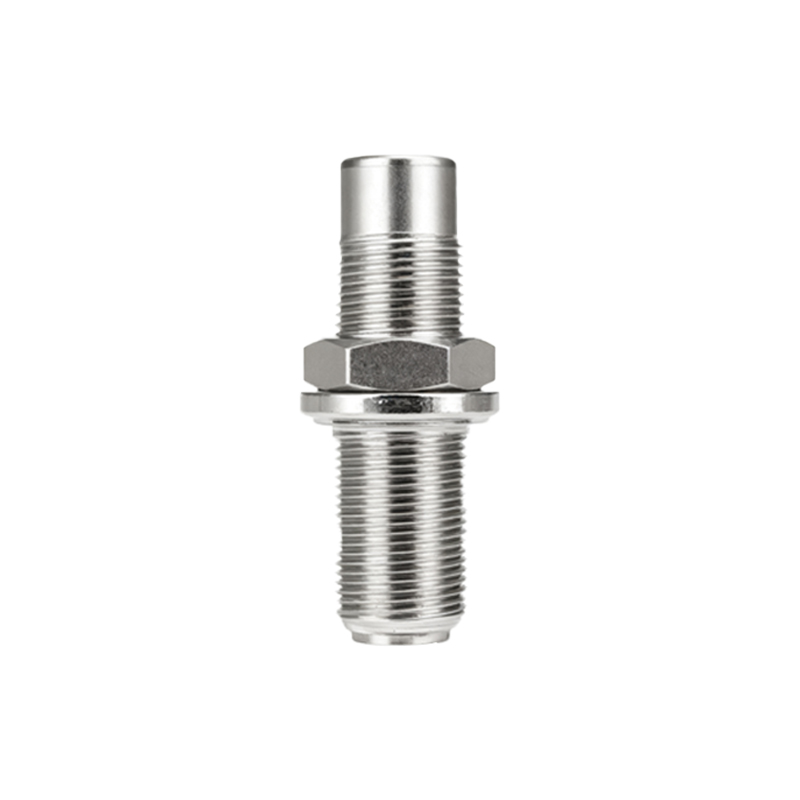
The primary advantage of the hourglass proximity sensor is its exceptional installation flexibility. In complex machinery, control panels, robotic arms, or conveyor systems, space is often at a premium. Engineers frequently encounter situations where a sensing point is accessible only through a small aperture or a crowded assembly. A standard sensor body might be too large to pass through, or its housing might interfere with adjacent components. The hourglass design elegantly solves this problem. The sensor can be inserted through a small mounting hole, and once the threaded or flanged section (the broader end opposite the sensing face) is secured on the other side, the sensing head is locked into its optimal position. This ensures reliable detection without compromising the mechanical design or requiring extensive modifications.
Applications for hourglass proximity sensors are widespread across manufacturing and processing industries. They are commonly used for:
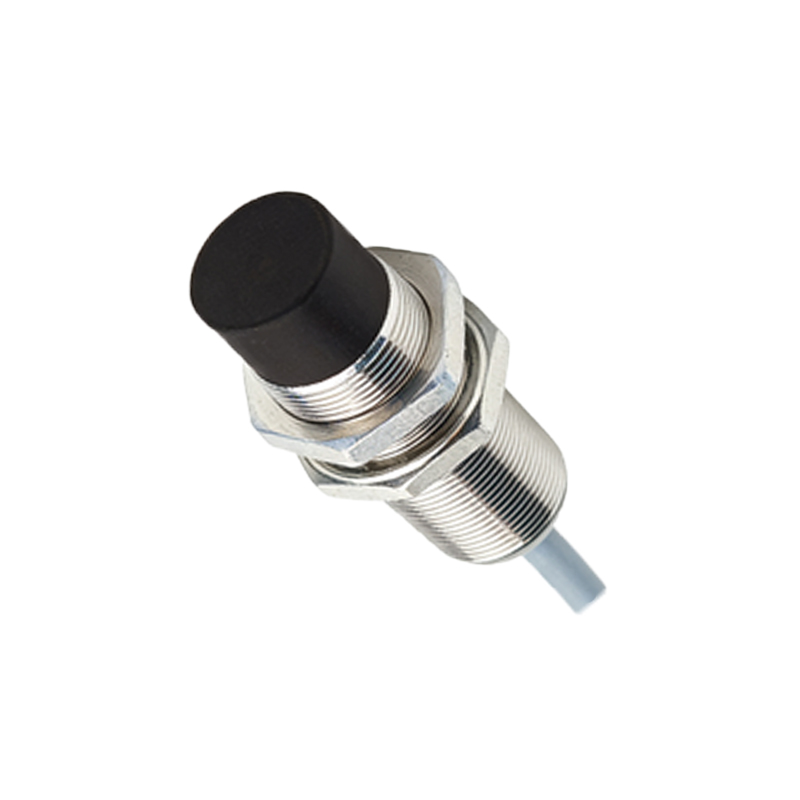
End-of-stroke detection on compact pneumatic or hydraulic cylinders where space around the cylinder barrel is limited.
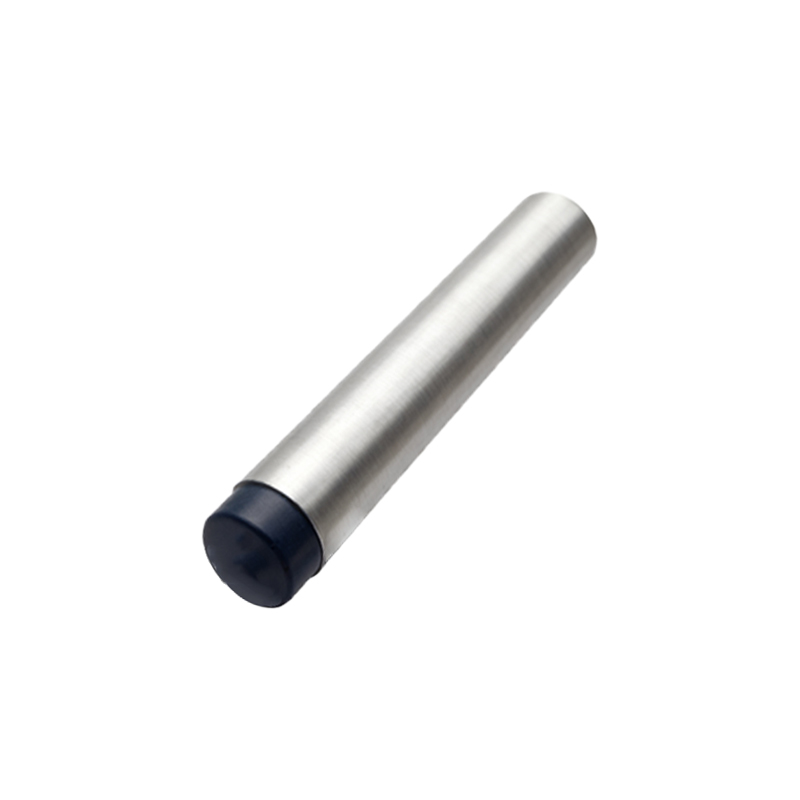
Position verification in automated assembly lines, especially within jigs, fixtures, or mold tools with confined geometries.
Presence detection in packaging machinery, where sensors must be integrated into tight spaces between rollers, gears, or guides.
Safety interlocking on access doors or guards with narrow frame profiles.
Monitoring rotational position on shafts or cams, mounted through brackets or machine frames.
When selecting an hourglass proximity sensor, several specifications must be considered beyond the basic sensing range. The housing material, often nickel-plated brass or stainless steel, must withstand the industrial environment, including exposure to coolants, oils, and metal chips. The protection rating (e.g., IP67, IP69K) is crucial for operation in washdown or dusty conditions. Electrical characteristics such as operating voltage (commonly 10-30V DC or 20-250V AC), output type (PNP/NPN, NO/NC), and current capacity are selected based on the control system requirements. Additionally, factors like switching frequency and temperature range must align with the application's dynamics.
In summary, the hourglass proximity sensor is a testament to purposeful design in sensor technology. It addresses a fundamental spatial constraint in industrial automation without sacrificing the reliability and performance expected of inductive sensors. By offering a versatile mechanical form, it expands the possibilities for machine designers and automation engineers, allowing for precise object detection in locations previously considered impractical. Its continued use underscores the importance of adaptable component design in achieving efficient, compact, and robust automated systems. For any application demanding reliable proximity sensing in confined spaces, the hourglass sensor presents an optimal and engineered solution.