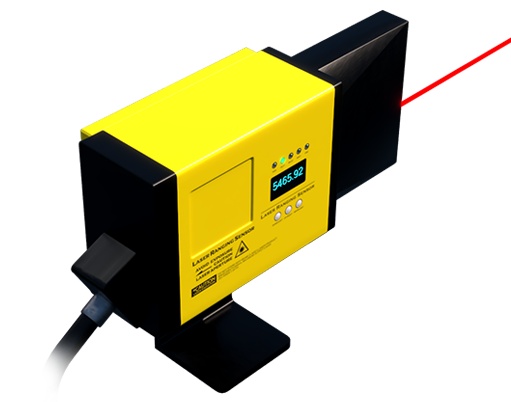
In the rapidly evolving landscape of industrial automation and machine vision, the integration of camera laser sensors represents a significant leap forward in precision measurement and quality control. These sophisticated systems combine the imaging capabilities of high-resolution cameras with the accurate distance and profile measurement of laser triangulation or time-of-flight (ToF) principles. The core technology involves projecting a laser line or pattern onto a target object. A precisely aligned camera, positioned at a known angle to the laser source, captures the deformation of this laser line. By analyzing the distortion of the line in the captured image using specialized algorithms, the sensor can calculate highly accurate 3D profiles, dimensions, and surface variations of the object in real-time.
The advantages of camera laser sensors are manifold, driving their widespread adoption across diverse sectors. In automotive manufacturing, they are indispensable for robotic guidance, weld seam inspection, and panel gap measurement, ensuring stringent tolerances are met. The electronics industry relies on them for solder paste inspection (SPI), component placement verification, and PCB warpage detection. Furthermore, in logistics and warehousing, these sensors facilitate automated parcel dimensioning, palletizing, and inventory management with remarkable speed and accuracy. Unlike traditional 2D vision systems, camera laser sensors provide explicit depth information, making them immune to color or contrast variations that often challenge conventional imaging. This capability is crucial for inspecting objects with uniform colors or complex textures.

Selecting the appropriate camera laser sensor requires careful consideration of several technical parameters. Resolution, both in the XY plane and in the Z-axis (height), determines the smallest detectable feature or height difference. Measurement range defines the operational distance and field of view. The choice of laser wavelength (commonly red or blue) is critical for material compatibility; blue lasers, for instance, often perform better on shiny or organic surfaces by reducing specular reflection. Environmental factors such as ambient light, vibration, and temperature fluctuations must also be accounted for, often necessitating sensors with robust housings and advanced filtering algorithms. Integration with factory networks (like Ethernet/IP or PROFINET) and software development kits (SDKs) for custom application development are equally important for seamless implementation into existing production lines.
The future trajectory of camera laser sensor technology points towards greater miniaturization, enhanced computational power, and deeper integration with artificial intelligence. The emergence of embedded AI processors directly within the sensor enables real-time, at-the-edge decision-making, such as classifying defects or making pass/fail judgments without streaming data to a central PC. This reduces latency and network load. Furthermore, advancements in multi-line lasers and high-speed scanning are expanding applications into dynamic environments, such as inspecting objects on fast-moving conveyor belts or during robotic motion. The synergy with digital twin concepts is also growing, where precise 3D data from these sensors continuously updates virtual models of production systems for simulation and optimization.
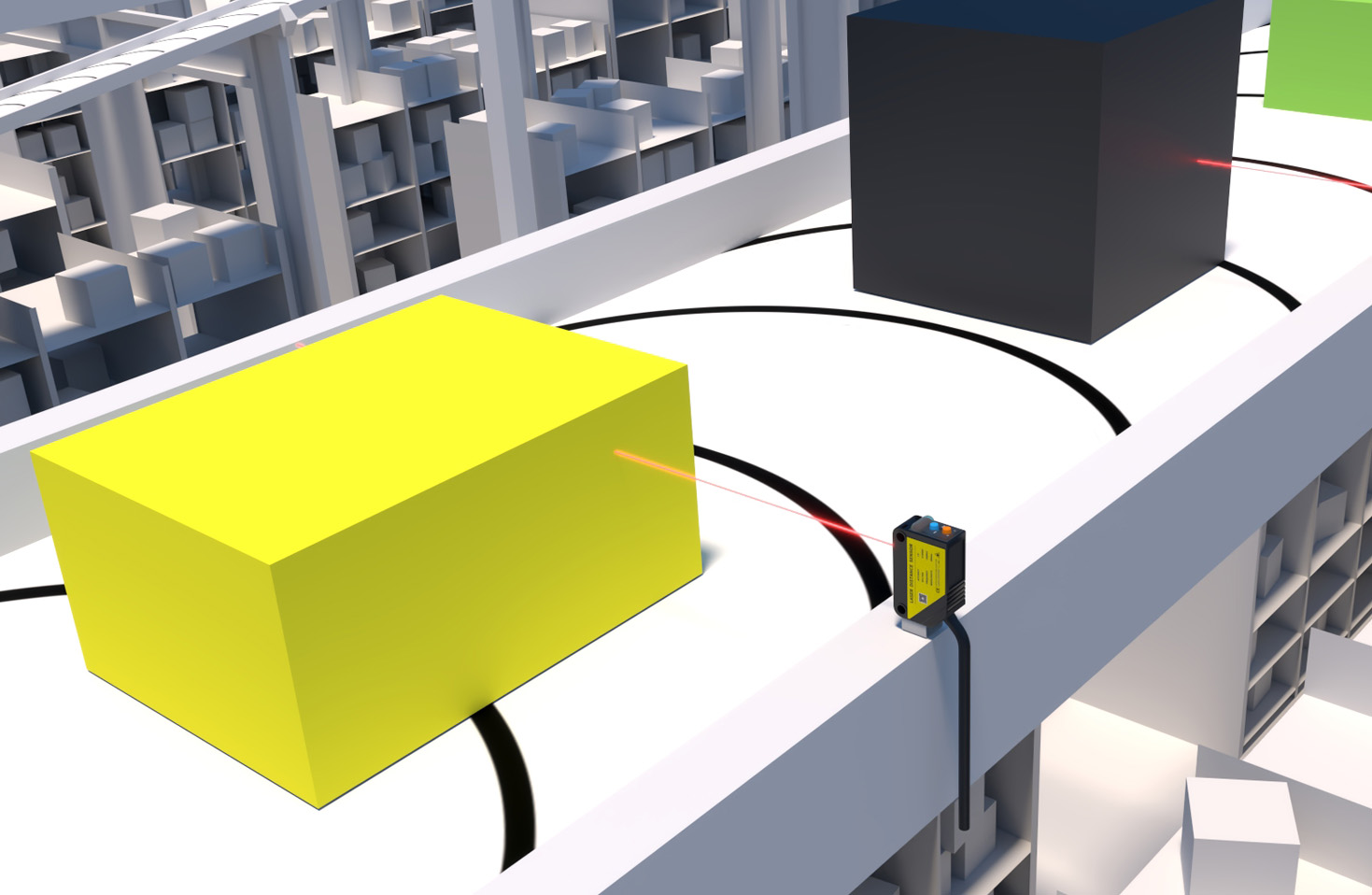
Despite their robustness, successful deployment hinges on proper calibration, alignment, and application-specific programming. Engineers must ensure the sensor is mounted securely, the laser-camera angle is optimized for the target's geometry, and the software is tuned to filter out environmental noise. Regular maintenance, including lens cleaning and verification checks, is essential to sustain long-term accuracy. As Industry 4.0 and smart factory initiatives gain momentum, the role of camera laser sensors as critical data acquisition nodes will only become more pronounced. They provide the essential, reliable 3D data that fuels automated decision-making, predictive maintenance, and ultimately, the creation of more agile, efficient, and intelligent manufacturing ecosystems. Their continued evolution promises to unlock new levels of automation in fields ranging from precision agriculture to medical device assembly.