In industrial automation and harsh environment applications, the reliability and durability of sensing components are paramount. Proximity sensors, which detect the presence or absence of objects without physical contact, are widely used in manufacturing, automotive, food processing, and marine industries. However, exposure to water, oil, chemicals, and particulate contaminants can severely compromise sensor performance and lifespan. This article delves into the principles behind waterproof and oil-resistant proximity sensors, explaining their design, operational mechanisms, and key technologies that enable robust functionality in demanding conditions.
Proximity sensors typically operate based on electromagnetic, capacitive, or ultrasonic principles. Inductive proximity sensors, the most common type for metal detection, generate an electromagnetic field using a coil and oscillator. When a metallic object enters this field, eddy currents are induced, causing a change in oscillation amplitude. This change is detected by a threshold circuit, triggering an output signal. Capacitive sensors, suitable for both metallic and non-metallic materials, measure changes in capacitance between the sensor and target object. Ultrasonic sensors emit sound waves and evaluate the reflected signal to determine distance or presence. Regardless of the sensing principle, environmental protection is critical to maintain accuracy and prevent failure.
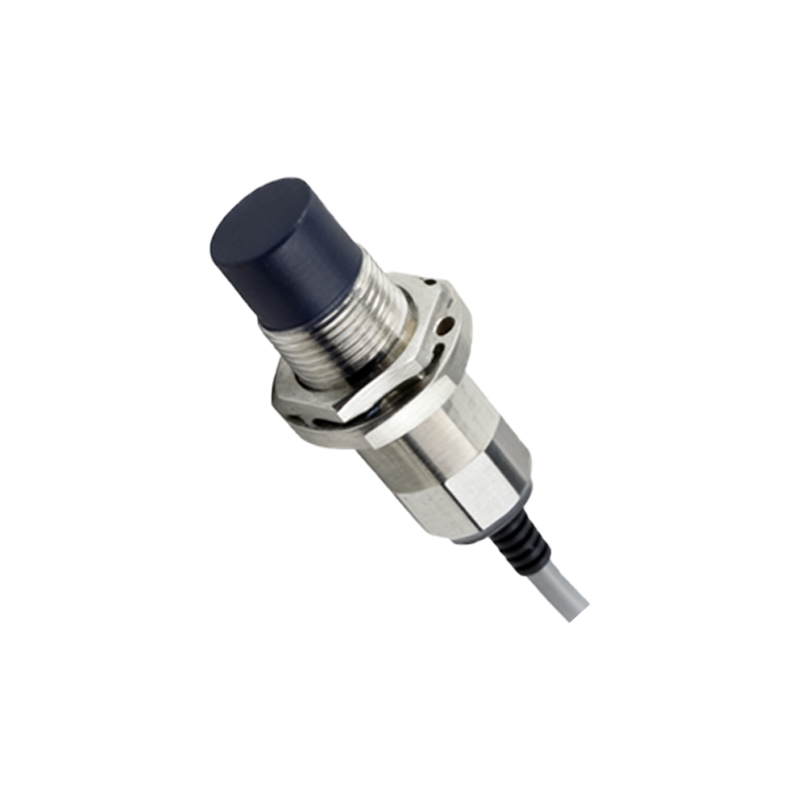
Waterproof and oil-resistant designs focus on sealing the sensor housing and internal components from ingress. The International Protection (IP) rating system, defined by IEC 60529, classifies the degree of protection against solids and liquids. For instance, IP67-rated sensors are dust-tight and can withstand temporary immersion in water up to 1 meter for 30 minutes, while IP69K-rated sensors can resist high-pressure, high-temperature water jets, making them ideal for washdown environments in food processing. Key sealing methods include O-rings, gaskets, and potting compounds. O-rings, often made of elastomers like nitrile rubber or fluorocarbon, create a tight seal between the sensor housing and cover. Potting involves filling the internal cavity with epoxy or silicone to encapsulate electronics, preventing moisture and chemical penetration. Additionally, sensor faces are crafted from materials like stainless steel, PBT (polybutylene terephthalate), or PTFE (polytetrafluoroethylene), which resist corrosion, oil absorption, and mechanical wear.
Electrical connections and cable entries are vulnerable points. Many waterproof proximity sensors feature molded cables or connectors with IP-rated couplings to prevent leakage. In oil-rich environments, such as hydraulic systems or machining centers, sensors must resist lubricants, coolants, and solvents that can degrade seals or cause false triggers. Specialized coatings or diaphragms on sensing faces can repel oils, while maintaining sensitivity. For example, a sensor with a PTFE-coated face minimizes oil adhesion, ensuring consistent detection of targets even in splashing conditions.
Beyond physical sealing, signal integrity is preserved through advanced circuitry. Temperature compensation circuits adjust for thermal variations that might affect oscillation or capacitance in humid or oily settings. EMI (electromagnetic interference) shielding is incorporated to prevent noise from industrial machinery, which could lead to erroneous outputs. Some sensors include diagnostic LEDs or IO-Link communication for real-time monitoring of sensor health and environmental exposure, enabling predictive maintenance.
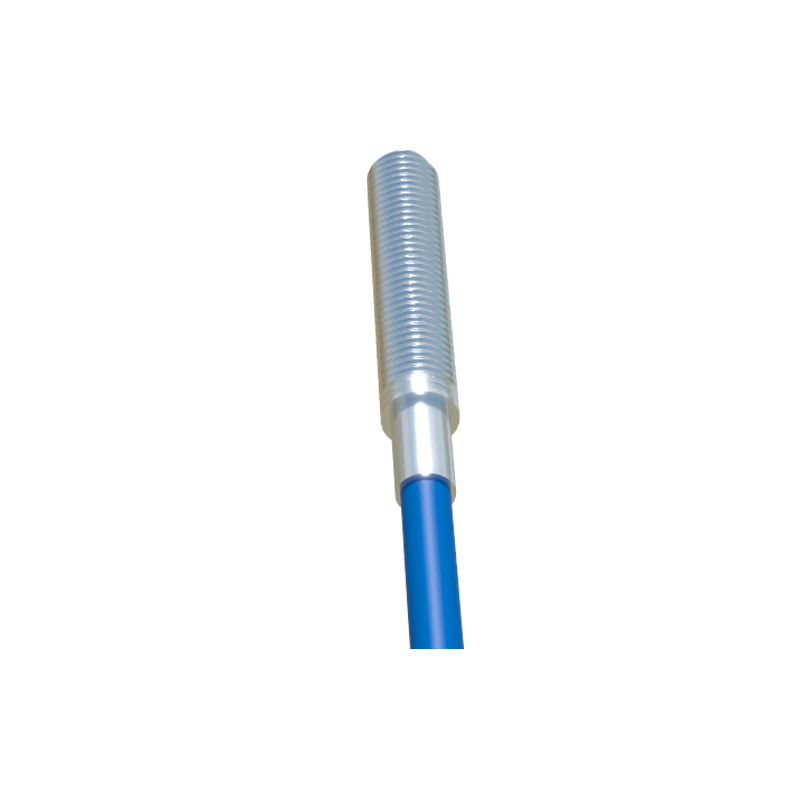
In practice, selecting a waterproof and oil-resistant proximity sensor requires evaluating the specific environment. Factors include the type of contaminants (e.g., fresh water, salt water, synthetic oils, abrasive particles), pressure levels, temperature ranges, and required sensing distance. For marine applications, sensors with high IP ratings and corrosion-resistant materials like 316L stainless steel are essential. In automotive assembly lines, where oils and coolants are prevalent, sensors with robust sealing and chemical-resistant housings ensure longevity. Regular maintenance, such as cleaning sensor faces and checking seals, further enhances performance.
Innovations continue to improve these sensors. Nanocoatings that offer superhydrophobic and oleophobic properties are being explored to create self-cleaning surfaces. Miniaturization allows for compact designs without compromising protection, fitting into tight spaces in modern machinery. Additionally, the integration of smart sensors with IoT capabilities enables remote diagnostics and data logging, helping industries optimize processes and reduce downtime.
In summary, waterproof and oil-resistant proximity sensors rely on a combination of mechanical sealing, material science, and electronic design to operate reliably in harsh conditions. By understanding the principles behind their construction and functionality, engineers can make informed choices to enhance system resilience and productivity. As industries evolve toward more automated and demanding operations, the role of these rugged sensors will only grow in importance.