In the realm of industrial automation, the GH Series proximity sensors stand as a testament to engineering excellence, offering unparalleled precision and durability in diverse operational environments. These non-contact sensors are meticulously designed to detect the presence or absence of metallic objects, facilitating seamless integration into complex manufacturing systems. The core technology leverages high-frequency oscillation principles, where an electromagnetic field generated by the sensor's coil is disrupted by a target object, triggering a signal output. This mechanism ensures rapid response times, typically within milliseconds, which is critical for high-speed production lines in automotive, packaging, and material handling industries.
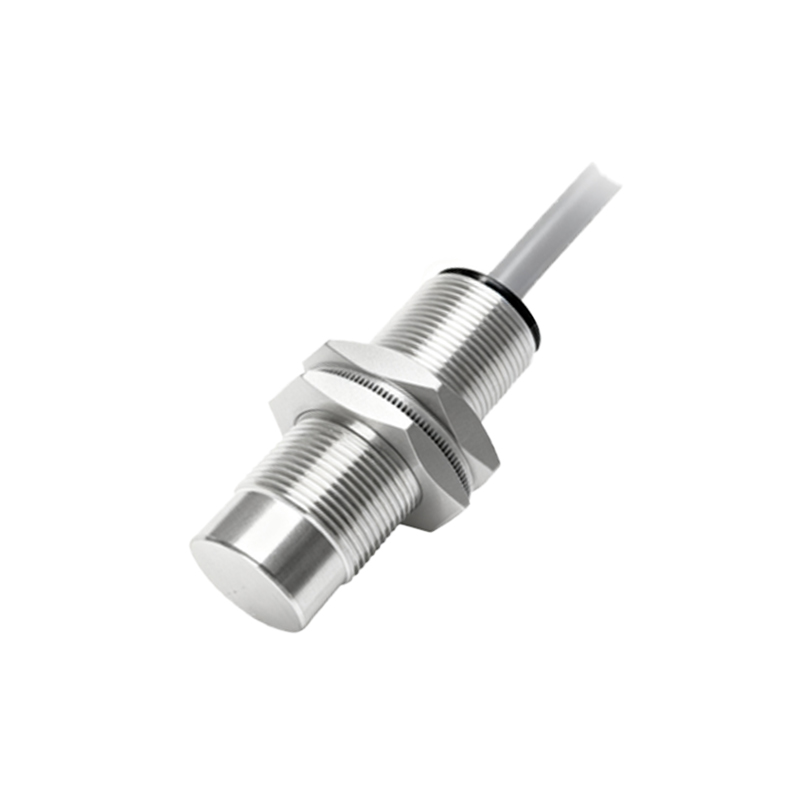
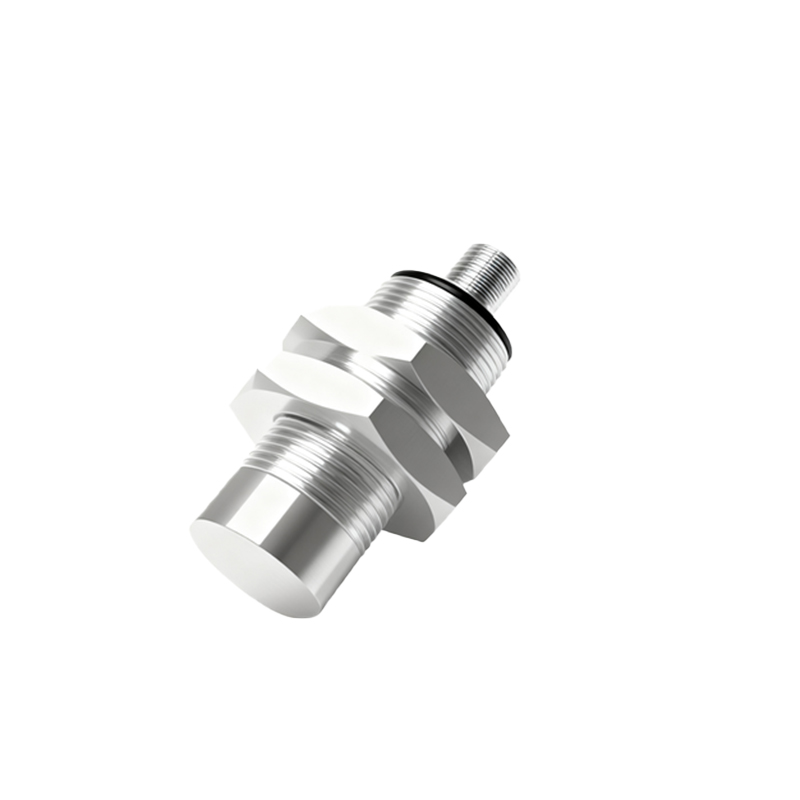
One of the defining features of the GH Series is its robust construction, which includes stainless steel housings and epoxy-sealed components to withstand harsh conditions such as extreme temperatures, moisture, and mechanical vibrations. This resilience translates to reduced downtime and maintenance costs, a key consideration for plant managers aiming to optimize operational efficiency. Additionally, the sensors are available in various form factors, including cylindrical and rectangular designs, with sensing ranges tailored to specific applications—from short-range detection in tight spaces to extended ranges for bulk material monitoring.
The electrical performance of the GH Series is equally impressive, with models supporting both AC and DC voltage inputs, and outputs compatible with PLCs (Programmable Logic Controllers) and other control systems. Advanced versions incorporate diagnostic LEDs for real-time status monitoring, enabling quick troubleshooting without disrupting workflow. Furthermore, the sensors exhibit minimal drift over time, thanks to temperature compensation circuits that maintain accuracy across fluctuating environmental conditions. This reliability is bolstered by compliance with international standards like IEC 60947-5-2, ensuring safety and interoperability in global markets.
From an application perspective, GH Series sensors excel in tasks such as position verification, counting, and end-of-travel detection. In automotive assembly, for instance, they ensure robotic arms precisely weld components, while in food processing, their hygienic designs prevent contamination. The series also supports Industry 4.0 initiatives through IO-Link connectivity options, allowing for data exchange and remote configuration via industrial networks. This smart capability enables predictive maintenance, where sensor data analytics can forecast potential failures before they occur, thereby enhancing overall system intelligence.
Installation and setup are streamlined with user-friendly features like adjustable sensitivity and built-in overload protection. Engineers appreciate the straightforward wiring schemes, which reduce commissioning time and minimize errors. Moreover, the GH Series is designed for longevity, with MTBF (Mean Time Between Failures) ratings exceeding 100,000 hours in typical use cases. This durability, combined with energy-efficient operation, aligns with sustainable manufacturing goals by lowering power consumption and electronic waste.
In summary, the GH Series proximity sensors represent a fusion of innovation and practicality, driving automation forward with their consistent performance. As industries evolve toward greater connectivity and precision, these sensors will continue to play a pivotal role in enhancing productivity, safety, and cost-effectiveness. Whether in heavy machinery or delicate electronic assembly, the GH Series delivers the reliability that modern automation demands, making it a cornerstone of intelligent industrial ecosystems.