In the rapidly evolving landscape of industrial automation and smart manufacturing, proximity sensors stand as critical components for enabling non-contact detection, precise positioning, and enhanced safety. These devices, which detect the presence or absence of objects without physical contact, are integral to countless applications from assembly lines and robotics to automotive manufacturing and packaging. The global market for these sensors is served by a diverse array of companies, each bringing unique technologies, specializations, and innovations. This article provides an overview of key players in the proximity sensor industry, highlighting their core strengths and market positions.
A dominant force in the sensor and automation sphere is Sick AG. Headquartered in Germany, Sick is renowned for its high-precision, robust sensor solutions. The company offers an extensive portfolio of inductive, capacitive, and magnetic proximity sensors known for exceptional reliability in harsh industrial environments. Their products often feature advanced diagnostics and IO-Link communication capabilities, making them a preferred choice for complex Industry 4.0 applications. Sick's strong focus on research and development ensures it remains at the forefront of sensor technology.
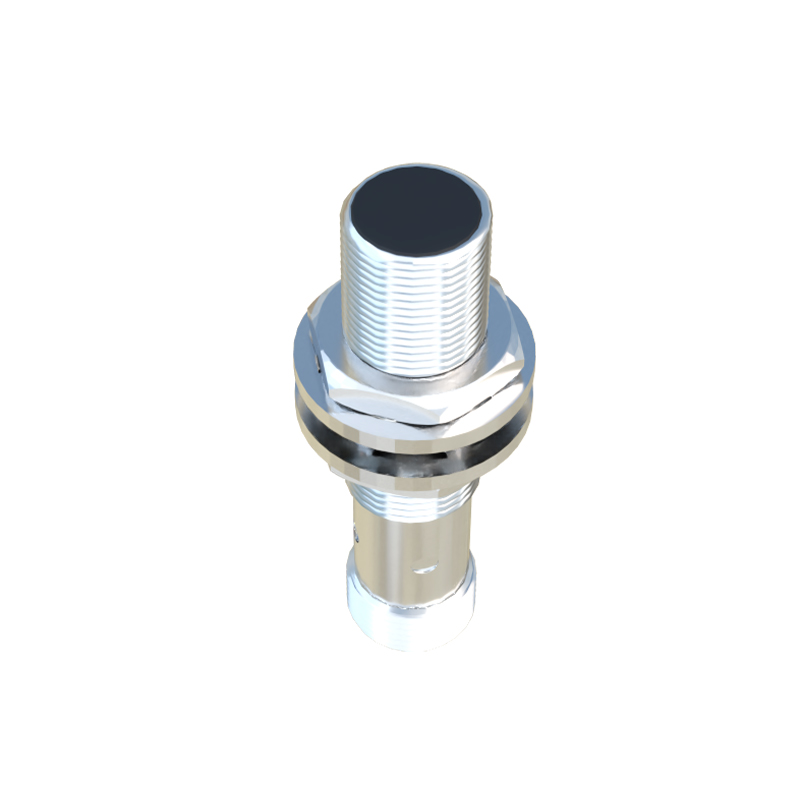
Another European powerhouse, Pepperl+Fuchs, is synonymous with intrinsic safety and innovation in factory and process automation. The German company provides a comprehensive range of inductive, capacitive, and ultrasonic proximity sensors. Pepperl+Fuchs is particularly noted for its expertise in developing sensors for hazardous areas, offering certified devices for use in explosive atmospheres. Their sensors are celebrated for durability, high switching frequencies, and resistance to environmental factors like dust, moisture, and temperature extremes.
From Switzerland, Baumer Group holds a prestigious position with its emphasis on quality, precision, and customer-specific solutions. Baumer's proximity sensor lineup includes high-performance inductive, capacitive, and magnetic models. They are recognized for sensors with extremely short switching distances, high temperature resistance, and innovative designs like factor 1 cylindrical sensors. Baumer consistently invests in miniaturization and smart sensor technologies, catering to demanding sectors like semiconductor manufacturing and medical technology.
The Japanese conglomerate Omron Corporation is a global leader in industrial automation components. Omron's proximity sensors are celebrated for their miniaturized designs, longevity, and advanced functionalities. The company offers a vast selection, including standard inductive sensors, specialized models for weld-field immunity, and ultra-compact versions for space-constrained installations. Omron's integration of sensing and control expertise allows for highly optimized system solutions, solidifying its presence in automotive, electronics, and packaging machinery worldwide.
Rockwell Automation (Allen-Bradley), a major American player, provides robust sensor solutions deeply integrated into its broader control and information architecture. Their Allen-Bradley brand proximity sensors are designed for seamless compatibility with Rockwell's programmable logic controllers (PLCs) and networks. This ecosystem approach offers significant advantages in ease of configuration, diagnostics, and maintenance within Rockwell-centric automation systems, making them a staple in North American manufacturing facilities.
Balluff GmbH, a German family-owned enterprise, is highly regarded for its innovation in sensor intelligence and networking. Balluff's proximity sensors are known for their high quality, variety of housing styles, and pioneering work with IO-Link, the leading sensor-level communication standard. They provide smart sensors that deliver not just switching signals but also detailed parameter and condition monitoring data, which is crucial for predictive maintenance and digital production processes.
Ifm Electronic, another prominent German sensor specialist, has built a strong reputation for user-friendly, reliable, and cost-effective products. Ifm offers a remarkably wide range of inductive, capacitive, and magnetic proximity sensors. Their products often feature clear diagnostic indicators (like LED status lights) and are designed for easy installation and replacement. Ifm's direct sales model and extensive global distribution network ensure strong market penetration across various industries.
Emerging and specialized companies also contribute significantly to the market's dynamism. Turck, for instance, is noted for its rugged sensor designs and connectivity solutions, including multiport junction blocks that simplify sensor cabling. Keyence, a Japanese innovator, often leads in high-end, application-specific photoelectric and fiber optic sensors but also provides advanced proximity sensors with unique features for specialized detection tasks.
The choice of a proximity sensor supplier depends on numerous factors: the specific application (detection of metal, plastic, liquid), environmental conditions, required precision, communication protocols (like IO-Link), integration needs with existing automation platforms, and total cost of ownership. While the giants like Sick, Pepperl+Fuchs, and Omron offer breadth and deep industry expertise, companies like Baumer and Balluff excel in high-precision and smart sensor niches. Ultimately, the vibrant competition among these and other companies drives continuous innovation, leading to more capable, intelligent, and connected proximity sensing solutions that form the tactile senses of the modern automated world.