In the rapidly evolving landscape of industrial automation, proximity switch sensors have become indispensable components, enabling precise detection, control, and safety in manufacturing, automotive, and robotics applications. These non-contact sensors detect the presence or absence of objects without physical touch, relying on electromagnetic fields, infrared light, or ultrasonic waves. As demand for efficiency and reliability grows, companies specializing in proximity sensors are driving innovation with advanced technologies.
Leading the market are established giants like Siemens AG, renowned for its robust sensor solutions that integrate seamlessly with industrial control systems. Siemens' proximity switches offer high durability and accuracy, catering to harsh environments in sectors such as automotive assembly and heavy machinery. Similarly, Omron Corporation stands out with its extensive portfolio of inductive, capacitive, and photoelectric sensors, emphasizing miniaturization and smart connectivity. Omron's sensors often feature IoT capabilities, allowing real-time data monitoring and predictive maintenance, which reduces downtime and operational costs.
Another key player is Schneider Electric, which focuses on energy-efficient sensor designs for smart factories and infrastructure. Their proximity sensors are engineered for low power consumption and compatibility with EcoStruxure platforms, enhancing sustainability in industrial operations. Meanwhile, Rockwell Automation excels in providing sensor solutions tailored for the North American market, with a strong emphasis on safety standards and ruggedness in high-vibration settings.
Emerging companies are also making waves by addressing niche needs. For instance, Balluff GmbH specializes in high-precision sensors for logistics and packaging industries, offering innovative designs like multi-voltage sensors that simplify installation. Similarly, Pepperl+Fuchs has gained recognition for its explosion-proof sensors, crucial in hazardous areas like oil refineries and chemical plants. Their focus on intrinsic safety and long-term reliability has cemented their reputation in critical sectors.
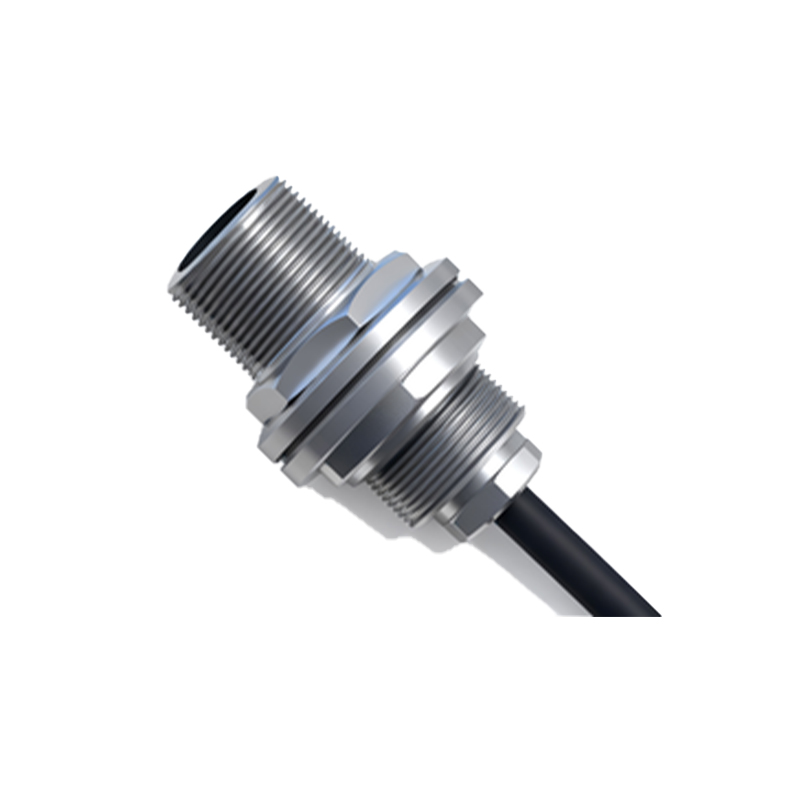
Technological advancements are reshaping the industry. The integration of Industry 4.0 principles has led to the development of smart proximity sensors with embedded diagnostics and wireless communication. These sensors can transmit data to cloud-based systems, enabling predictive analytics and remote management. Additionally, the rise of miniaturized sensors allows for installation in compact spaces, expanding applications in consumer electronics and medical devices. Materials science innovations, such as corrosion-resistant coatings, extend sensor lifespans in challenging conditions like marine or outdoor environments.
Market trends indicate a growing preference for customized solutions. Companies are increasingly offering modular sensor designs that can be adapted to specific client requirements, reducing lead times and costs. Sustainability is another driving force, with firms investing in recyclable materials and energy-efficient production processes. Regulatory compliance, particularly with international standards like IEC 60947, remains a priority to ensure global market access.
Challenges persist, including price competition from low-cost manufacturers and the need for skilled technicians to install and maintain advanced systems. However, leading companies mitigate these issues through robust R&D investments and comprehensive training programs. The future of proximity switch sensor companies lies in further integration with AI and machine learning, enabling autonomous decision-making in industrial networks. As automation expands globally, these firms will continue to play a pivotal role in shaping efficient, safe, and intelligent systems.