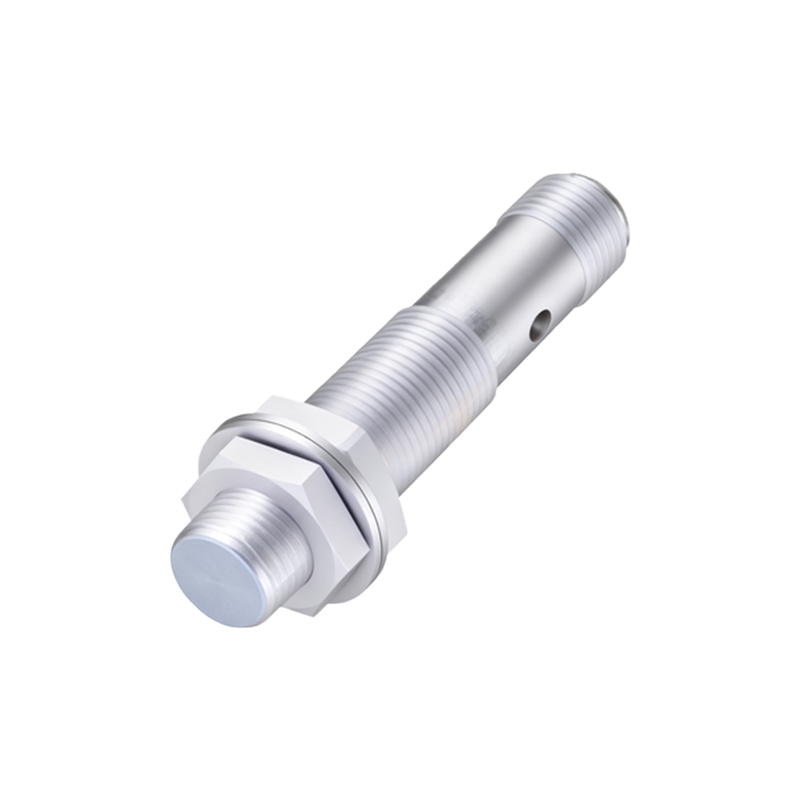
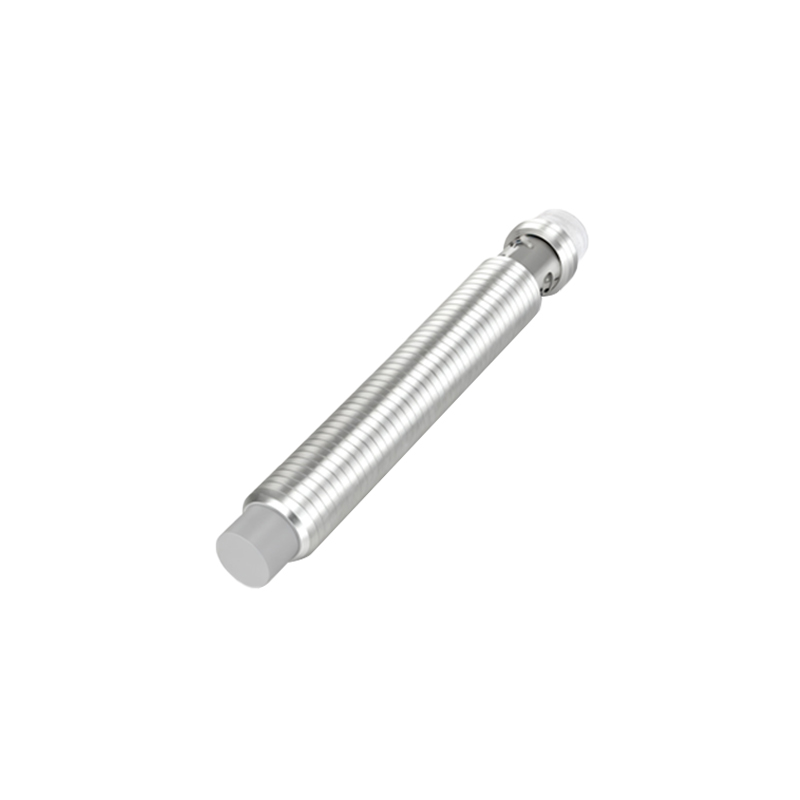
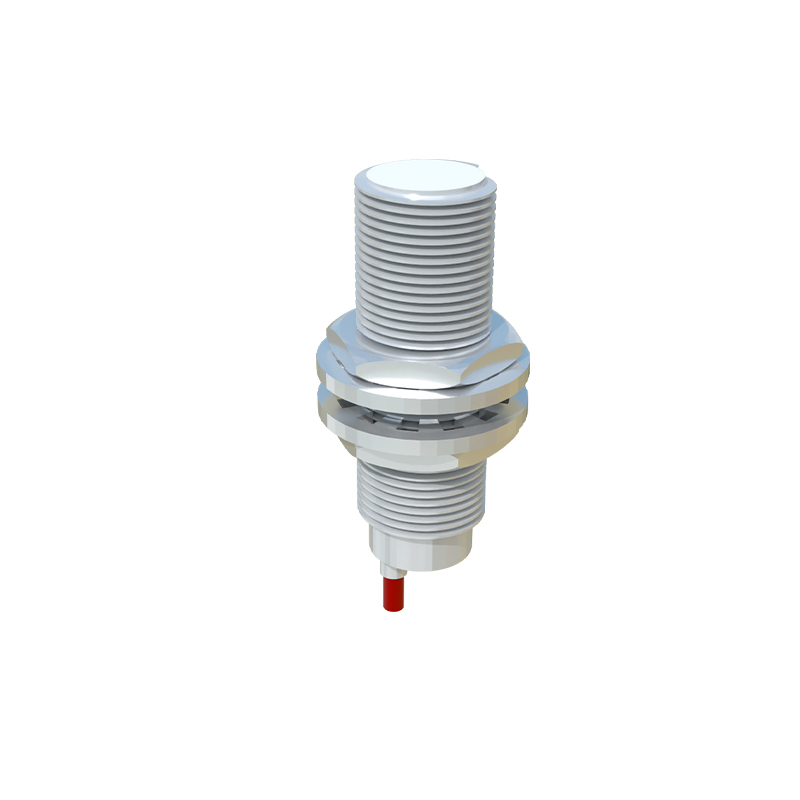
In the rapidly evolving landscape of industrial automation and smart electronics, the selection of a reliable infrared (IR) proximity sensor supplier is a critical decision that impacts product performance, system reliability, and overall project success. These sensors, which detect the presence or absence of an object by emitting an infrared light beam and measuring the reflection, are ubiquitous. They are found in applications ranging from touchless faucets and automatic doors to sophisticated robotics, consumer electronics, and automotive safety systems. For engineers and procurement specialists, navigating the global supplier market requires a nuanced understanding of technical capabilities, quality standards, and supply chain dynamics.
The core technology behind IR proximity sensors is relatively consistent, involving an IR LED emitter and a photodiode or phototransistor receiver. However, the performance parameters where suppliers differentiate themselves are substantial. Key specifications include sensing range, response time, immunity to ambient light interference, power consumption, and packaging size. Leading suppliers invest heavily in R&D to enhance these aspects, offering sensors with advanced features like I²C digital output, programmable sensing thresholds, and integrated ambient light rejection algorithms. For instance, a supplier catering to the automotive industry must provide components with extended operational temperature ranges and high reliability certifications (AEC-Q100), whereas a supplier for consumer wearables prioritizes ultra-low power consumption and miniature footprints.
When evaluating potential suppliers, several factors extend beyond the datasheet. First and foremost is technical support and design-in assistance. A superior supplier provides comprehensive application notes, reference designs, and simulation models. They often have field application engineers (FAEs) who can assist with integration challenges, such as dealing with specific material reflectivities or optimizing sensor placement. This level of support is invaluable for reducing development cycles and mitigating design risks.
Manufacturing consistency and quality control are non-negotiable. Reputable suppliers adhere to international quality management standards like ISO 9001 and IATF 16949 for automotive. They employ rigorous testing protocols, including 100% final testing for critical parameters and burn-in processes for high-reliability markets. The ability to maintain tight tolerances on performance characteristics across millions of units is what separates top-tier suppliers from the rest. It is advisable to audit a supplier's manufacturing facilities or review their quality history and failure analysis reports.
Supply chain resilience has become a paramount concern. A dependable supplier demonstrates transparency in their component sourcing, maintains strategic inventory buffers, and operates multiple fabrication or assembly sites to mitigate geopolitical or logistical disruptions. Long-term supply agreements and clear communication regarding product lifecycle management (including end-of-life notifications) are essential for planning long-running industrial products. Suppliers with vertically integrated manufacturing, controlling more stages of the production process, often offer greater stability.
The global market features a mix of large, broad-line semiconductor manufacturers and specialized sensor fabricators. Major players like Vishay Intertechnology, Texas Instruments, and ams OSRAM offer extensive portfolios with global logistics and support networks. Their strengths lie in system-level solutions and economies of scale. Conversely, specialized suppliers such as Sharp Microelectronics or Everlight Electronics may provide highly optimized sensors for niche applications, often with more flexible customization options and direct engineering engagement. The choice depends on project volume, technical complexity, and required support level.
Cost considerations, while important, should be evaluated holistically. The initial component price is only one part of the total cost of ownership. Factors such as reduced calibration needs, higher yield rates in your production line due to sensor consistency, and lower field failure rates contribute significantly to long-term value. A slightly more expensive sensor from a supplier with flawless quality can save substantial costs in recalls, rework, and brand reputation.
Looking forward, suppliers are driving innovation in multi-sensor fusion, integrating IR proximity sensing with ambient light sensors (ALS), time-of-flight (ToF) capabilities, and even spectral sensing. The demand for smarter, context-aware devices in IoT and Industry 4.0 will continue to push suppliers to develop more intelligent, connected, and energy-efficient solutions. Establishing a partnership with a forward-thinking supplier who is investing in these next-generation technologies can provide a competitive edge.
In conclusion, selecting an infrared proximity sensor supplier is a strategic partnership. It requires a balanced assessment of technical prowess, unwavering quality, robust supply chain management, and exceptional support. By conducting thorough due diligence and viewing the supplier as a collaborative extension of the engineering team, organizations can secure the reliable, high-performance components necessary to build innovative and successful products in an increasingly automated world.