In industrial automation and high-voltage electrical systems, proximity sensors play a critical role in detecting the presence or absence of objects without physical contact. Among these, high-voltage proximity sensors are specifically engineered to operate reliably in environments with elevated electrical potentials, often exceeding standard control voltage levels. A paramount concern in their application and design is the risk and management of short-circuit conditions. This article delves into the principles, causes, consequences, and protective mechanisms associated with short-circuits in high-voltage proximity sensors.
A short-circuit, in this context, refers to an abnormal low-resistance connection between two points in an electrical circuit that are meant to be at different voltages. For a high-voltage proximity sensor, this typically involves a fault between the power supply lines, the output signal line, or the sensor's internal components and ground or enclosure. In high-voltage systems, the energy available during a fault is substantially greater, making short-circuits particularly hazardous. They can lead to instantaneous, massive current surges far beyond the sensor's rated operational current.
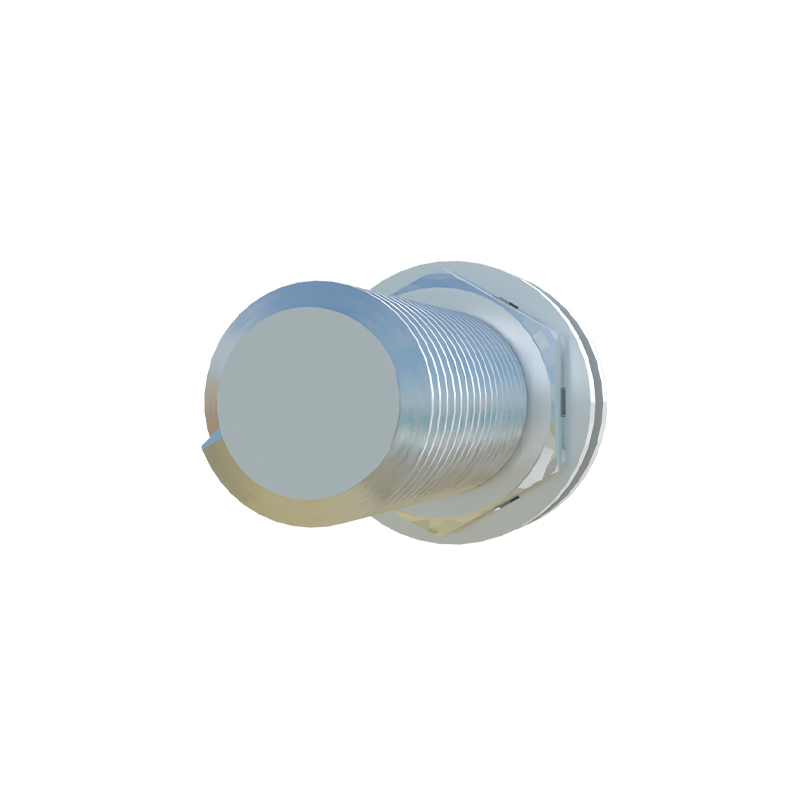
The primary causes of short-circuits in these sensors are multifaceted. Environmental factors are a significant contributor. Harsh industrial settings may expose sensor cables to physical damage—such as crushing, cutting, or abrasion from machinery—which can compromise insulation and cause conductors to touch. Contamination is another major risk; conductive dust, metallic shavings, moisture, or chemical spills can create unintended current paths across terminal blocks, connectors, or the sensor housing. Internally, manufacturing defects, component aging, dielectric breakdown within the sensor's electronics, or insulation failure due to prolonged thermal stress can also initiate a short-circuit event.
The consequences of an unprotected short-circuit are severe and cascading. The most immediate effect is the catastrophic failure of the sensor itself. The excessive current generates intense heat, potentially melting solder joints, destroying semiconductor components like output transistors or integrated circuits, and causing insulation materials to carbonize or ignite. This renders the sensor inoperative, necessitating costly replacement and causing unplanned downtime. Beyond the sensor, the fault current can travel back through the wiring, damaging the connected programmable logic controller (PLC) input card, the power supply unit, or other sensitive control equipment. In extreme cases, the energy released can pose serious safety risks, including electric shock hazards to personnel, arcing faults that may ignite surrounding materials, and even small explosions if the fault occurs in a confined space.
To mitigate these risks, modern high-voltage proximity sensors are equipped with robust short-circuit protection features. This protection is not merely an add-on but an integral part of the sensor's design philosophy. The most common form is electronic output protection, often implemented in solid-state PNP or NAMUR output sensors. This circuitry continuously monitors the output current. When a current exceeding a safe threshold (indicative of a short) is detected, the protection circuit acts within milliseconds to limit the current to a safe value or to temporarily shut off the output entirely. This "current limiting" or "foldback" technique protects the sensor's output stage from thermal destruction. Once the short-circuit condition is removed (e.g., the fault is cleared), the circuit typically resets automatically, allowing the sensor to resume normal operation without manual intervention.
Furthermore, the design extends to physical and systemic safeguards. Sensors intended for high-voltage duty are housed in rugged, often metallic or high-grade polymer enclosures with high IP (Ingress Protection) ratings to shield against dust and moisture. Cables and connectors are specified for high dielectric strength and mechanical resilience. At the system level, protection is reinforced by external devices. Installing appropriately rated fuses or circuit breakers in the sensor's supply line is a fundamental practice. These devices are calibrated to interrupt the circuit swiftly in the event of a sustained overcurrent, providing a backup layer of security. For critical applications, isolating the sensor circuit via opto-couplers or using isolated power supplies can prevent fault propagation to the central control system.
Selecting and applying a high-voltage proximity sensor with adequate short-circuit protection requires careful consideration. Engineers must review the sensor's datasheet for specific protection ratings, such as "short-circuit protected," "current-limited output," or compliance with relevant standards like IEC 60947-5-2. The sensor's operating voltage range, environmental specifications (IP rating, temperature), and the nature of the load (inductive, capacitive) must align with the application. Regular preventive maintenance, including visual inspections for cable integrity, cleaning to remove contaminants, and checking connection tightness, is essential to prevent conditions that could lead to a short.
In conclusion, short-circuit protection is a non-negotiable safety and reliability feature for high-voltage proximity sensors. It represents a critical engineering solution to a prevalent industrial hazard. By understanding the causes and implementing sensors with built-in electronic protection, complemented by sound installation practices and external circuit protection, engineers can ensure robust system