Proximity sensors have become indispensable tools for water level monitoring across various industrial sectors, including wastewater management, chemical processing, and power generation. Unlike traditional float-based or pressure transducers, proximity sensors offer non-contact detection, high precision, and minimal maintenance requirements. This article delves into the operational principles, types, and implementation considerations of proximity sensors for liquid level measurement.
At its core, a proximity sensor detects the presence or absence of a target object without physical contact. When applied to water level measurement, the sensor is typically mounted at a predetermined height above a tank or reservoir. The sensing mechanism relies on changes in electromagnetic fields or ultrasonic waves as they interact with the water surface. Capacitive and inductive proximity sensors are most commonly employed for this purpose.
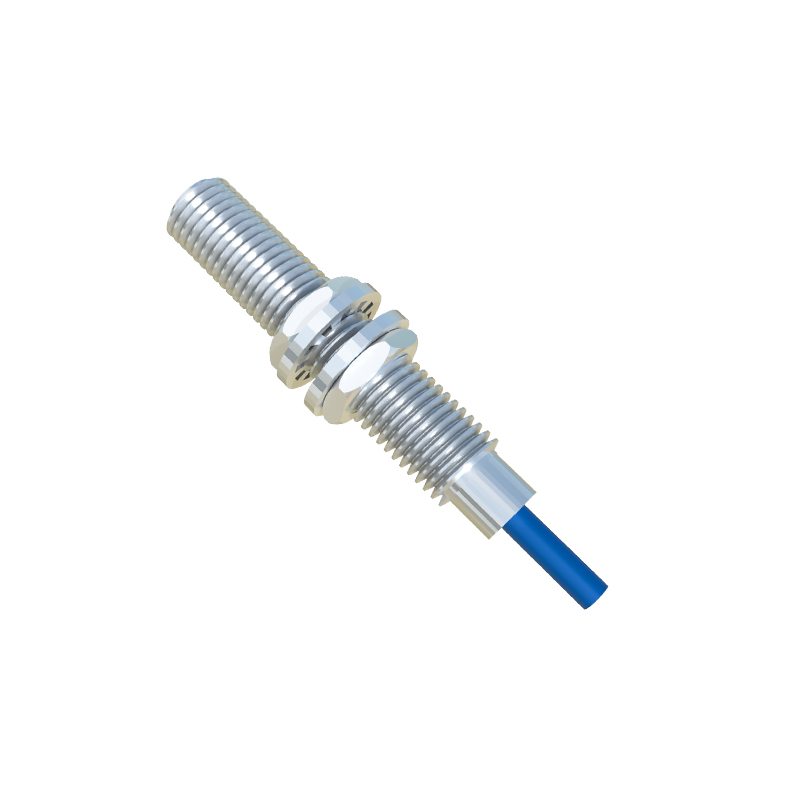
Capacitive proximity sensors function by generating an electrostatic field. The sensor comprises an oscillator circuit that creates an alternating electric field between its active surface and a ground reference. When water (a dielectric material) enters this field, it alters the capacitance, causing a change in oscillation amplitude. This shift triggers the sensor's output circuit, indicating the presence of water at the detection point. Capacitive sensors are particularly effective for monitoring non-metallic containers and can detect various liquids regardless of color or transparency. Key advantages include their ability to sense through non-metallic tank walls and resistance to surface turbulence.
Inductive proximity sensors, on the other hand, operate on electromagnetic induction principles. These sensors generate a high-frequency oscillating magnetic field. When a conductive target—such as a metal float or the water itself (if sufficiently conductive)—enters this field, eddy currents are induced, reducing the oscillation amplitude. This reduction is detected by the sensor's circuitry, prompting an output signal change. For water level applications, inductive sensors often require a metallic target attached to a float mechanism, as pure water has low conductivity. They excel in harsh environments with high temperatures or pressures.
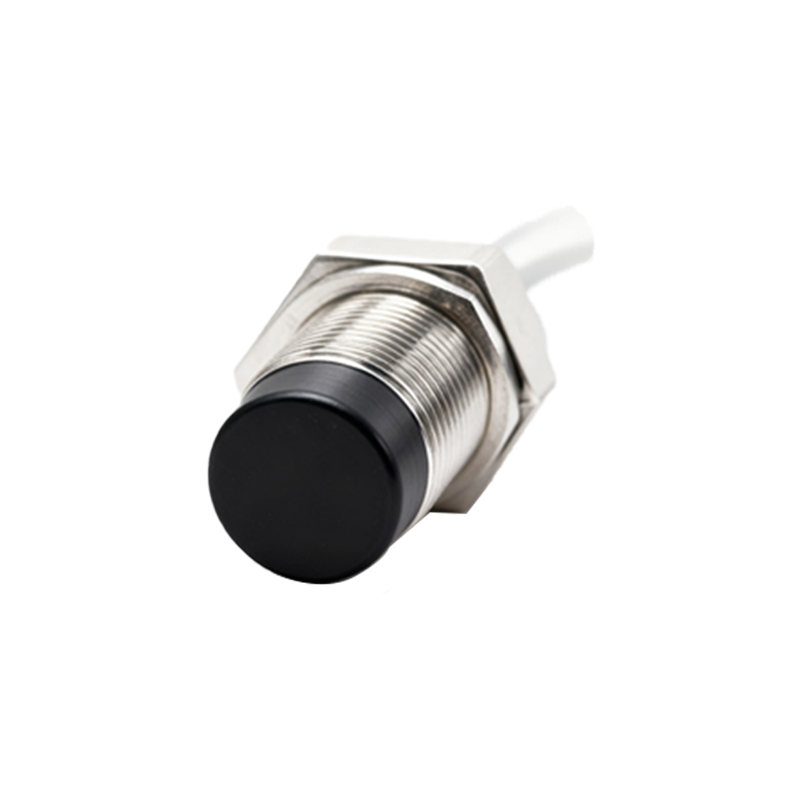
Ultrasonic proximity sensors represent another prevalent category. These devices emit high-frequency sound pulses toward the water surface and measure the time delay of the reflected echo. The distance to the water level is calculated using the speed of sound in air. Ultrasonic sensors provide continuous level measurement rather than simple point detection, making them suitable for applications requiring precise volume calculations. Factors such as temperature, humidity, and surface foam can influence accuracy, necessitating compensation algorithms in advanced models.
Installation and calibration are critical for reliable performance. Sensors must be positioned to avoid interference from internal structures like agitators or filling streams. In capacitive sensing, proper grounding minimizes false triggers from electrical noise. For inductive types, the target material and size must match sensor specifications. Regular maintenance involves checking for sensor fouling, especially in wastewater applications where debris accumulation can impair functionality.
Modern proximity sensors integrate with industrial control systems via analog outputs (e.g., 4-20 mA) or digital protocols like IO-Link, enabling real-time monitoring and automated control loops. Innovations such as self-diagnostic features and enhanced immunity to environmental variables further boost reliability. When selecting a sensor, engineers must consider fluid properties, tank geometry, temperature ranges, and required safety certifications (e.g., ATEX for explosive atmospheres).
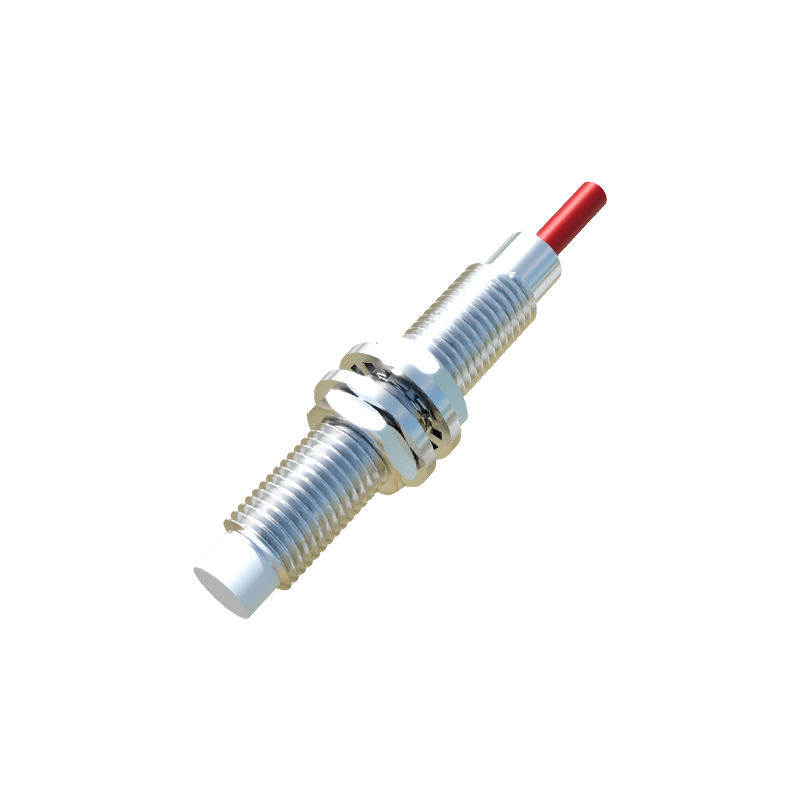
In summary, proximity sensors provide robust, contactless solutions for water level detection. Their adaptability to diverse industrial conditions, coupled with advancing technology, ensures continued relevance in automated liquid management systems. By understanding the underlying principles and application nuances, engineers can optimize system design for accuracy and longevity.