In the realm of industrial automation and control systems, proximity sensors stand as silent sentinels, enabling countless processes with their ability to detect the presence or absence of objects without physical contact. But the technology itself is only one part of the equation. "Proximity Sensor Services" encompass the comprehensive lifecycle support that ensures these critical components perform reliably, efficiently, and safely throughout their operational life. This article delves into what these services entail and why they are indispensable for modern industrial operations.
At its core, a proximity sensor service is a specialized field of technical support and maintenance dedicated to inductive, capacitive, ultrasonic, and photoelectric sensors. These services begin long before installation, with critical consultation and selection. An experienced service provider doesn't just sell a sensor; they analyze the application environment—considering factors like target material (metal, plastic, liquid), required sensing distance, environmental contaminants (oil, dust, coolant), electrical requirements, and housing material—to recommend the optimal sensor type and model. This proactive step prevents costly mismatches and premature failures.
Following selection, professional installation and commissioning form a vital service pillar. Incorrect mounting, improper alignment, or faulty wiring are leading causes of sensor malfunction. Service technicians ensure sensors are mounted securely with the correct orientation and gap, wired according to specifications (sinking vs. sourcing, NPN vs. PNP), and integrated correctly into the PLC or control system. They perform initial calibration and testing under real or simulated conditions to verify the sensor triggers at the precise moment required, ensuring the automated process starts on a solid foundation.
However, the most intensive aspect of proximity sensor services is ongoing maintenance, diagnostics, and troubleshooting. Even high-quality sensors are subject to wear, environmental degradation, and electrical interference. Scheduled maintenance services include routine cleaning of sensing faces to remove buildup, checking for physical damage or corrosion, verifying mounting integrity, and testing electrical output. Predictive maintenance, using advanced tools to monitor performance trends, can forecast failures before they cause unplanned downtime.
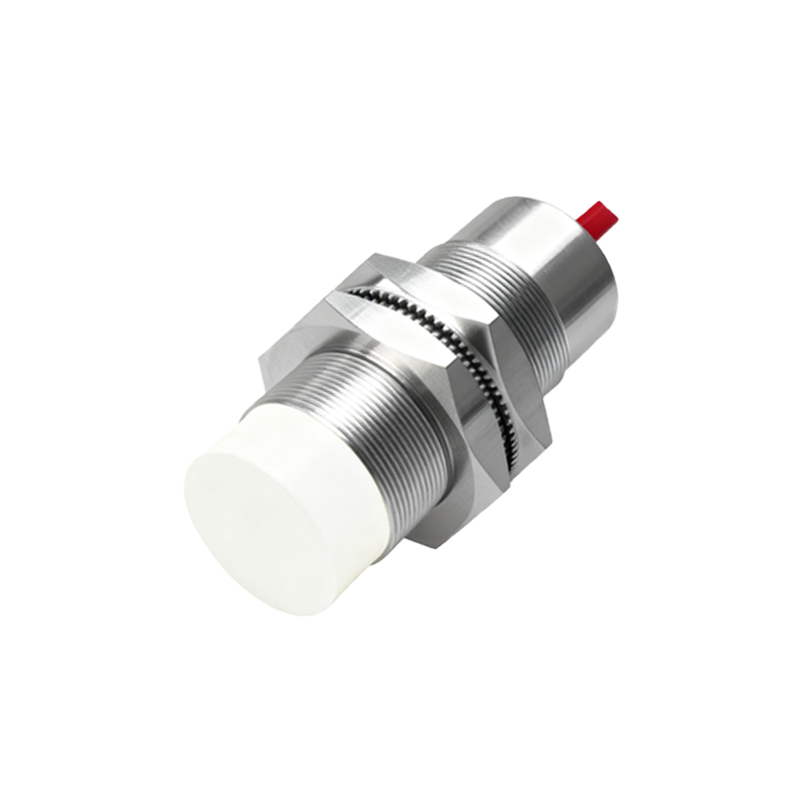
When a fault occurs, diagnostic services are crucial. Technicians use multimeters, oscilloscopes, and proprietary diagnostic tools to determine if the issue lies with the sensor itself (e.g., a damaged oscillator coil in an inductive sensor), the power supply, the load (like a relay or PLC input), or external electromagnetic interference. Effective troubleshooting isolates the problem swiftly, minimizing production stoppages. A key service is the ability to distinguish between a failed sensor and an application problem, such as a changed target material or a vibrating mount.
Repair and calibration services offer a cost-effective alternative to immediate replacement. Specialized workshops can repair certain sensor types, replacing damaged components like cables, connectors, or housing parts. Recalibration services ensure that after any repair or over extended use, the sensor's switching points remain accurate. For many operations, especially those using specialized or high-value sensors, repair services significantly reduce inventory costs and waste.
Finally, modernization and upgrade services are becoming increasingly relevant. As technology advances, older sensor models may become obsolete. Service providers can audit existing sensor setups and recommend upgrades to newer technologies that offer longer sensing ranges, better noise immunity, IO-Link communication for diagnostics, or more robust housings. Retrofitting old systems with modern sensors can enhance reliability, provide valuable process data, and improve overall equipment effectiveness (OEE).
In conclusion, proximity sensor services represent a holistic approach to asset management. They transform a simple component into a reliable, data-informed part of the production ecosystem. From intelligent selection and precise installation to proactive maintenance, expert troubleshooting, and strategic upgrades, these services ensure that the unseen workhorses of automation—the proximity sensors—continue to perform flawlessly. Investing in professional sensor services is not merely a maintenance cost; it is a strategic investment in operational continuity, safety, and productivity. For any industry reliant on automation, from automotive manufacturing to food processing and packaging, robust proximity sensor services are a cornerstone of efficient and resilient operations.