Capacitive proximity sensors have become indispensable in modern industrial automation, particularly for human detection applications. Unlike traditional mechanical switches or optical sensors, these devices operate by detecting changes in capacitance caused by the presence of a human body or other conductive objects. The fundamental principle relies on the fact that the human body, being mostly water and electrolytes, acts as a dielectric material that alters the electric field between the sensor's electrodes. When a person approaches the sensing area, the capacitance increases, triggering a signal output. This non-contact detection method offers significant advantages in safety, reliability, and versatility.
The core components of a capacitive proximity sensor include an oscillator circuit, a sensing electrode, and a signal conditioning unit. The oscillator generates a high-frequency electric field around the active surface of the sensor. As a human body enters this field, it disturbs the capacitance, causing a change in the oscillator's amplitude or frequency. This variation is processed by the conditioning circuit, which converts it into a digital or analog output signal. Advanced sensors incorporate adjustable sensitivity settings, allowing engineers to fine-tune detection ranges from a few millimeters to several centimeters, while ignoring background interference from non-conductive materials like plastic or wood.
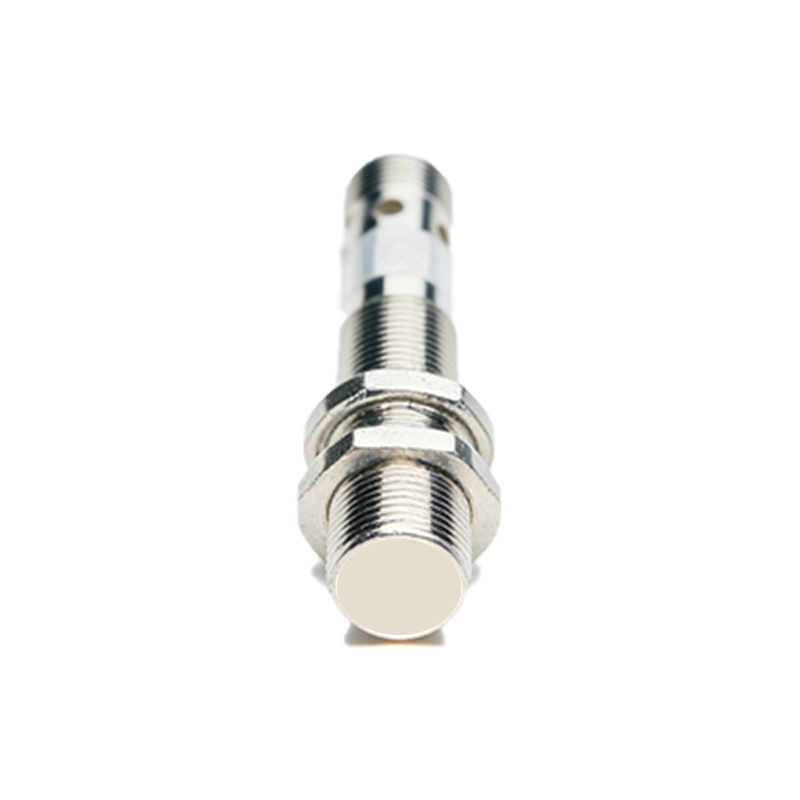
In industrial settings, capacitive sensors are widely deployed for personnel safety systems. For instance, they are integrated into machinery guards to prevent accidental contact with moving parts. When a worker approaches a hazardous zone, the sensor triggers an emergency stop, reducing the risk of injury. Additionally, these sensors are used in automated assembly lines to detect the presence of operators near robots, enabling collaborative workflows without physical barriers. The robustness of capacitive sensors makes them suitable for harsh environments, as they are resistant to dust, moisture, and temperature fluctuations, unlike optical sensors that may fail under dirty conditions.
Beyond safety, capacitive proximity sensors enhance user experience in consumer electronics. Touchscreens, elevator buttons, and automatic faucets utilize similar technology to detect finger proximity without physical pressure. In smart home systems, sensors can monitor occupancy in rooms, adjusting lighting or climate control based on human presence, thereby improving energy efficiency. The automotive industry also employs capacitive sensors for features like keyless entry and driver drowsiness detection, where subtle physiological changes are monitored through steering wheel or seat integration.
When selecting a capacitive sensor for human detection, engineers must consider factors such as sensing range, response time, and environmental compatibility. Shielding techniques are often applied to minimize false triggers from adjacent metal objects. Modern sensors feature embedded diagnostics and IoT connectivity, enabling predictive maintenance and real-time monitoring through industrial networks. As technology evolves, innovations like multi-electrode arrays and AI-driven signal processing are expanding applications into healthcare and biometric security, where precise human interaction is critical.
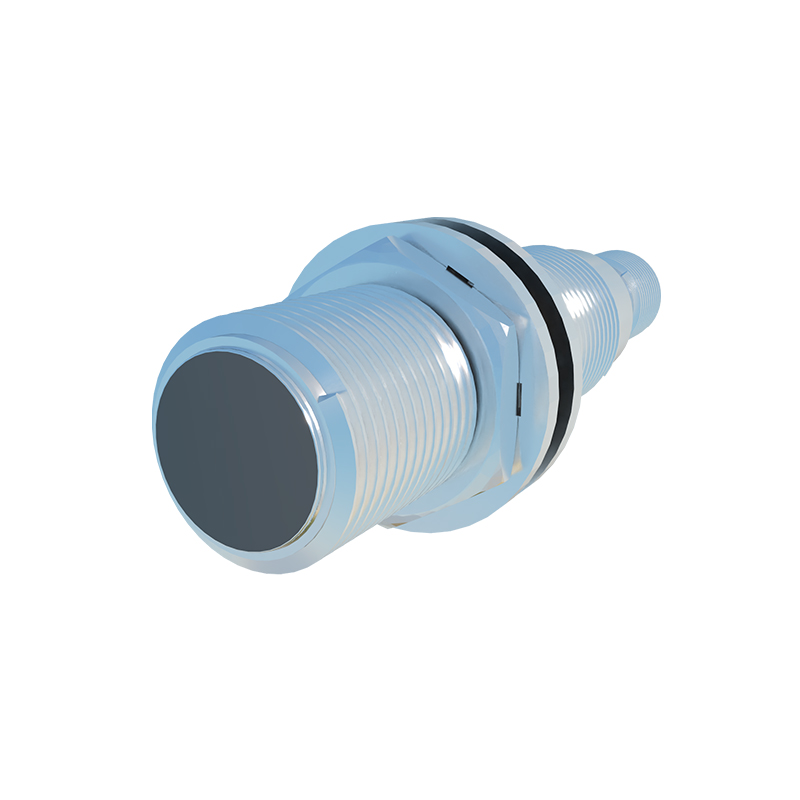
Overall, capacitive proximity sensors represent a mature yet evolving technology that bridges safety, efficiency, and innovation. Their ability to detect humans reliably without physical contact ensures they remain a cornerstone in automation, contributing to smarter factories and safer workplaces globally. With ongoing advancements in miniaturization and sensitivity, these sensors are poised to unlock new possibilities in human-machine interaction across diverse industries.