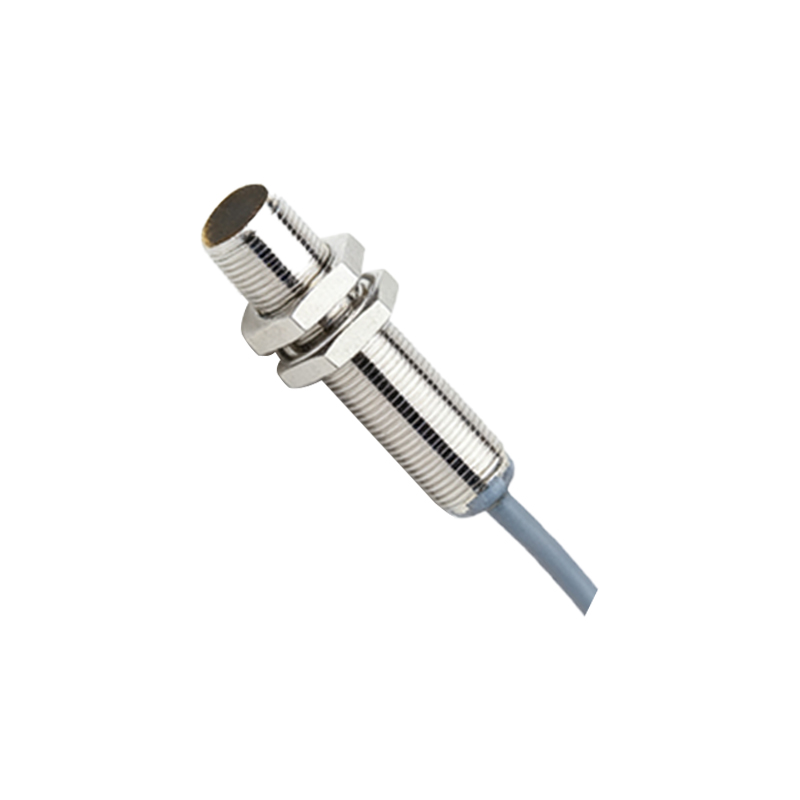
In the rapidly evolving landscape of industrial automation, proximity photoelectric sensors have become indispensable components for precision detection and control. These devices, which utilize light beams to detect the presence, absence, or distance of objects without physical contact, are critical in applications ranging from manufacturing assembly lines to robotic systems. As demand grows for smarter, more efficient automation solutions, companies specializing in proximity photoelectric sensors are driving innovation with advanced technologies such as enhanced sensing ranges, improved environmental resistance, and integration with IoT platforms.
Leading the market are established global players like Omron, Keyence, and Sick AG, each renowned for their robust product portfolios and cutting-edge research. Omron, for instance, offers sensors with high-speed response and durability in harsh conditions, catering to industries like automotive and packaging. Keyence excels in providing highly accurate sensors with user-friendly configurations, often incorporating laser technology for minute detection tasks. Sick AG focuses on safety and reliability, developing sensors that meet stringent international standards for industrial environments. These companies invest heavily in R&D to address challenges like interference from ambient light, varying material reflectivity, and the need for compact designs.
Emerging trends are reshaping the industry, including the adoption of IO-Link communication for real-time data exchange and predictive maintenance capabilities. Smaller, agile firms are also gaining traction by offering customized solutions for niche applications, such as in cleanrooms or hazardous locations. The competitive landscape emphasizes not only technical specifications but also value-added services like technical support and seamless integration with existing automation systems.
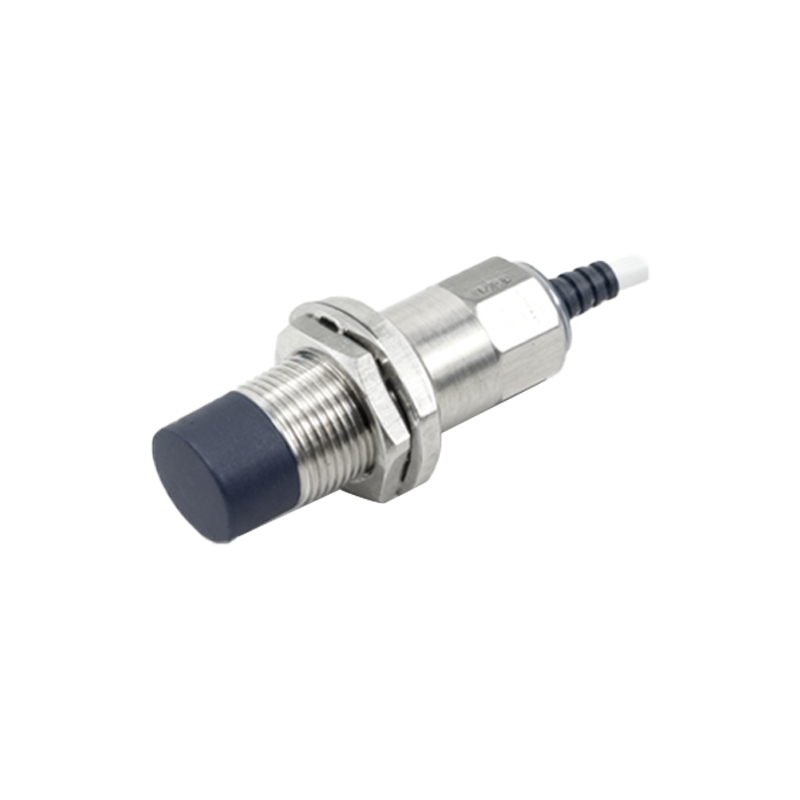
For engineers and procurement specialists, selecting the right sensor company involves evaluating factors like detection range, response time, environmental ratings (e.g., IP67 for dust and water resistance), and compatibility with control systems. As Industry 4.0 accelerates, proximity photoelectric sensor companies are poised to play a pivotal role in enabling smarter factories, where sensors contribute to data-driven decision-making and enhanced operational efficiency. The future will likely see further miniaturization, increased wireless connectivity, and AI-enhanced sensing algorithms, solidifying these sensors as backbone elements in modern industrial ecosystems.