In the demanding landscape of industrial automation, proximity sensors are the silent sentinels, providing critical data for position detection, object counting, and process control. However, their consistent and accurate operation is perpetually under threat from a harsh operating environment. This is where the seemingly simple yet profoundly important proximity sensor protective cover comes into play. Far from being a mere accessory, it is an engineered component essential for maximizing sensor lifespan, ensuring measurement integrity, and minimizing costly downtime.
The primary function of a protective cover is to serve as a physical barrier. Industrial settings are rife with potential hazards. Metal shavings from machining operations, abrasive dust in foundries, corrosive chemical splashes in processing plants, and high-pressure coolant sprays can all directly impinge on a sensor's face. Without protection, these contaminants can scratch or coat the sensing face, attenuating the electromagnetic field or ultrasonic signal, leading to false triggers or complete failure. A robust cover made from materials like stainless steel, nickel-plated brass, or engineered plastics like PEEK or UHMWPE absorbs this physical abuse, shielding the sensitive sensor within.
Beyond physical protection, the cover plays a crucial role in maintaining the sensor's functional characteristics. Proximity sensors, whether inductive, capacitive, or ultrasonic, operate based on precise electromagnetic field distribution or sound wave propagation. An improperly designed cover can interfere with this field, significantly reducing the sensor's nominal sensing distance (Sn). High-quality protective covers are meticulously designed and tested to minimize this reduction, often specifying a "derating factor" (e.g., 0.8 Sn). Engineers must account for this factor during system design to ensure reliable detection. Furthermore, for capacitive sensors, a non-conductive cover is mandatory to prevent false actuation, while for inductive sensors, a ferrous metal cover would completely shield the field, necessitating the use of non-ferrous metals like stainless steel or brass.
The material selection for a protective cover is a critical engineering decision dictated by the application. For extreme high-temperature environments near furnaces or welding stations, covers made from high-temperature resins or ceramics are required. In food and pharmaceutical applications, FDA-compliant materials that resist frequent washdowns with caustic cleaners are essential. Chemically resistant plastics like PVDF or PTFE are chosen for areas exposed to aggressive solvents. The design also includes considerations for sealing; many covers integrate O-rings or gaskets to achieve IP67, IP68, or IP69K ratings, protecting the sensor body from ingress of dust and liquids, thereby preserving its internal electronics.
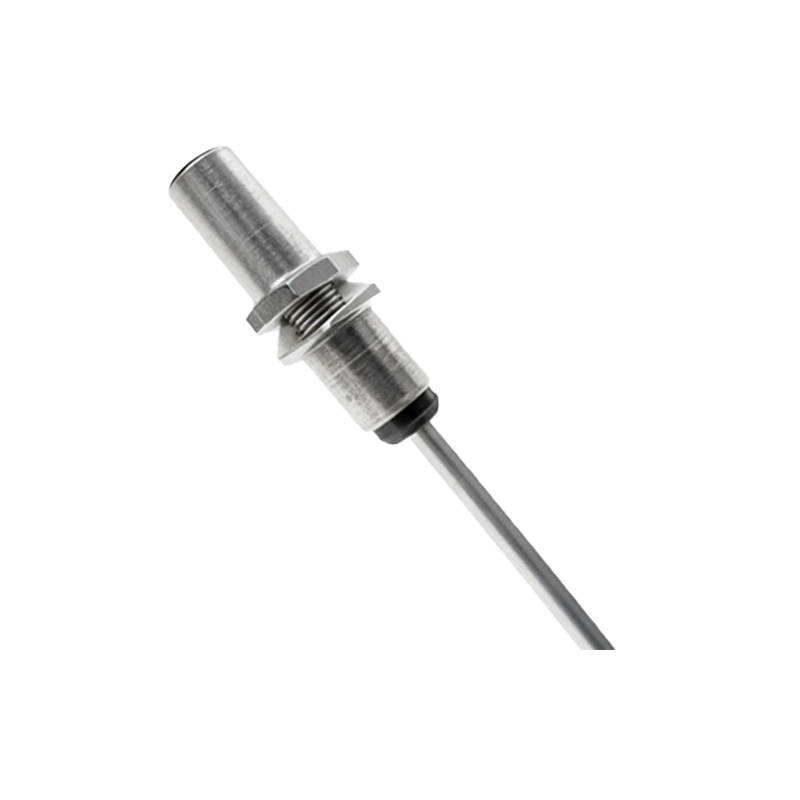
Installation and maintenance benefits are another key advantage. A protective cover often simplifies sensor mounting, providing a standardized thread or flange. When a cover becomes damaged or excessively coated, it can be quickly replaced during routine maintenance without the need to recalibrate or replace the far more expensive sensor itself. This translates directly into lower lifecycle costs and reduced inventory, as only covers need to be stocked as spares. It also protects the sensor's housing and cable entry point from strain and accidental impact.
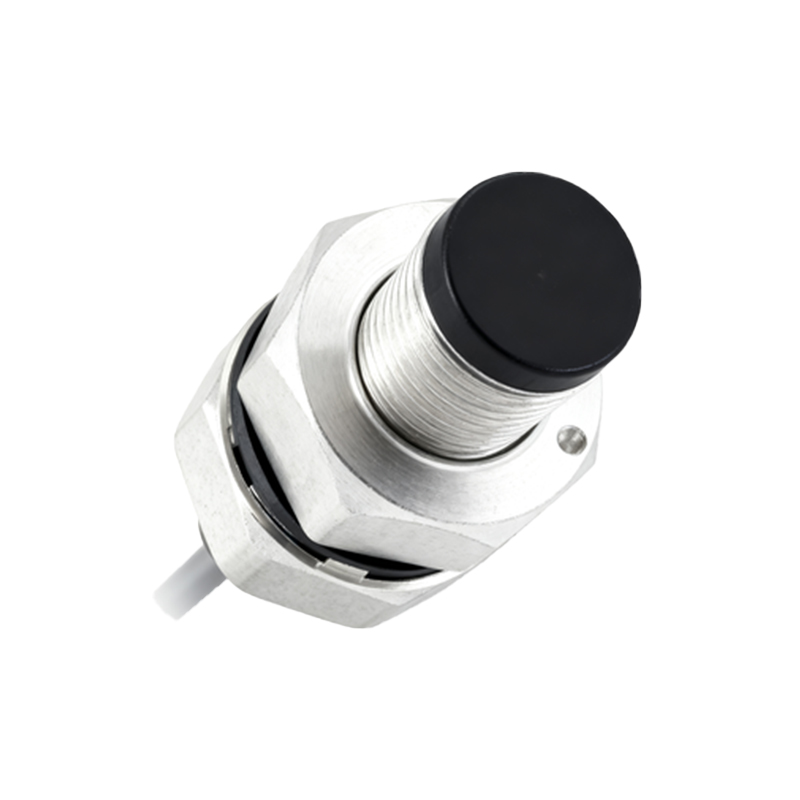
In conclusion, specifying a proximity sensor without considering its protective cover is an invitation for premature failure and operational inconsistency. The protective cover is an integral part of the sensing system's reliability equation. It is a cost-effective insurance policy that safeguards capital investment, ensures continuous process flow, and upholds the precision required in modern automated systems. By carefully selecting a cover based on material compatibility, environmental rating, and sensing derating, engineers can ensure these vital electronic sentinels perform flawlessly, day in and day out, in the toughest industrial arenas.