In the industrial automation and machinery sectors, waterproof proximity sensors are indispensable components, designed to detect the presence or absence of objects without physical contact, even in harsh, wet, or washdown environments. Understanding the pricing structure of these sensors is crucial for engineers, procurement specialists, and project managers to make informed budgeting and sourcing decisions. This guide provides a detailed overview of the factors influencing waterproof proximity sensor prices and presents a representative price list framework.
The cost of a waterproof proximity sensor is not a single fixed value but a spectrum determined by a confluence of technical specifications, performance features, and brand value. The primary determinant is the sensing technology. Inductive sensors, used for detecting metallic objects, are generally the most cost-effective, with prices for standard cylindrical models (e.g., M8, M12, M18, M30 threads) starting from approximately $25 USD for basic models. Capacitive sensors, capable of detecting both metallic and non-metallic materials like liquids or plastics, command a higher price, often beginning around $40 USD due to their more complex circuitry. Ultrasonic sensors, offering longer detection ranges and the ability to sense various materials regardless of color or transparency, represent the premium segment, with entry-level prices often exceeding $80 USD.
Beyond the core technology, the Ingress Protection (IP) rating significantly impacts price. A sensor rated IP67 (protected against temporary immersion) is standard for many washdown applications. However, sensors with higher ratings like IP68 (continuous immersion) or IP69K (protection against high-pressure, high-temperature jet sprays) incorporate more robust sealing techniques and materials, increasing the unit cost by 15-30% compared to IP67 equivalents. The housing material is another key factor. Stainless steel housings (typically AISI 303 or 316), essential for corrosive environments or food & beverage applications, are more expensive than nickel-plated brass or PBT plastic housings.
Electrical output type and connection method also influence the price. Sensors with analog outputs (4-20mA, 0-10V) or IO-Link digital communication capabilities are priced higher than simple 2-wire or 3-wire DC PNP/NPN switching models. Pre-wired connectors (e.g., M12 connectors) are convenient but add to the cost compared to sensors with cable exits that require separate connectors. Detection range is a further consideration; a standard 5mm range inductive sensor is less expensive than a specialized model with a 15mm or 30mm range.
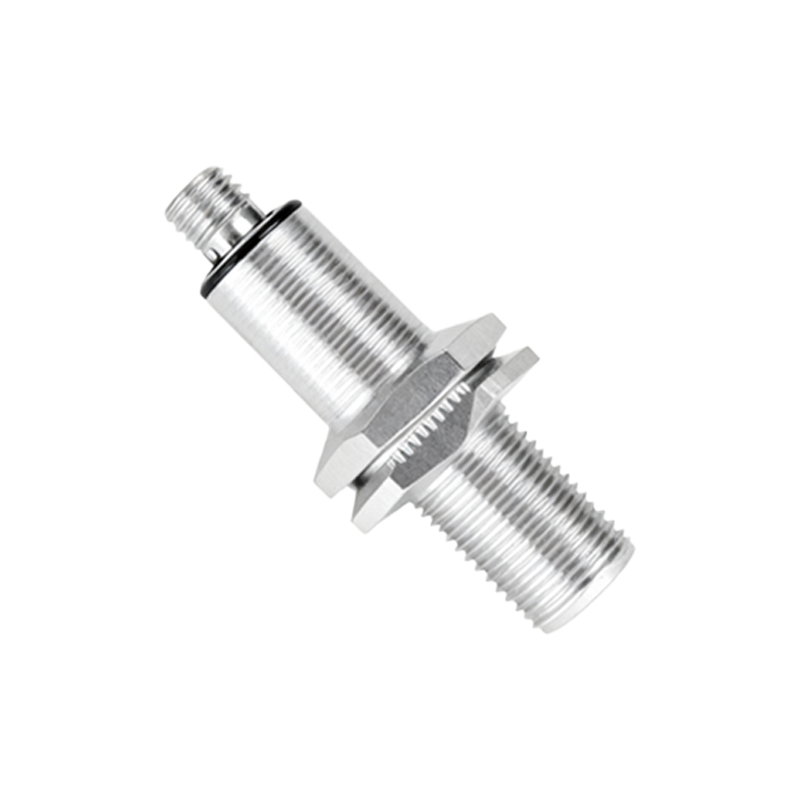
Brand reputation and certification play a substantial role. Established global brands (e.g., Siemens, Omron, Pepperl+Fuchs, Balluff, ifm) command a price premium due to their proven reliability, extensive global support networks, and compliance with international standards (CE, UL, ATEX for hazardous areas). Generic or lesser-known brands may offer lower upfront costs, which must be weighed against potential risks in long-term performance and warranty support.
Here is a generalized price list table for common inductive waterproof proximity sensors (IP67 rated, PNP output, M12 connector) to illustrate market positioning. Prices are in USD and are estimates for single-unit purchases; significant volume discounts typically apply.
Basic Range, Plastic Housing (PBT): M8 size, 2mm range - $28 to $40.
Standard Range, Nickel-plated Brass: M12 size, 4mm range - $35 to $55.
Extended Range, Nickel-plated Brass: M18 size, 8mm range - $45 to $70.
Stainless Steel Housing (AISI 316): M12 size, 4mm range - $65 to $100.
Stainless Steel, Extended Range: M30 size, 15mm range - $90 to $150.
For capacitive and ultrasonic waterproof sensors, add a baseline premium of 50-100% to the above inductive price ranges for comparable sizes and housing materials.
In conclusion, creating an accurate project budget requires moving beyond a simple "per sensor" cost. Engineers must specify the required technology, IP rating, housing material, output, and range. Procurement should then solicit quotes from multiple suppliers, considering both total cost of ownership (including reliability and maintenance) and the specific application demands. A sensor that is under-specified may fail prematurely, while an over-specified sensor unnecessarily inflates project costs. This price guide serves as a foundational framework for effective technical and commercial evaluation in the selection of waterproof proximity sensors.