In the rapidly evolving landscape of industrial automation and smart systems, the X10 Proximity Light Sensor stands out as a pivotal component for precision detection and control. This comprehensive guide delves into the technical specifications, operational principles, and diverse applications of the X10 sensor, offering insights for engineers and system integrators seeking reliable non-contact sensing solutions.
The X10 Proximity Light Sensor operates on the principle of modulated infrared light emission and reception. It emits a focused beam of infrared light; when an object enters its detection range, the light reflects back to the sensor's receiver. The onboard circuitry then processes this signal to determine the presence, absence, or distance of the object. Unlike mechanical switches or basic photoelectric sensors, the X10 incorporates advanced algorithms to filter ambient light interference, ensuring stable performance even in challenging environments with variable lighting conditions. Key specifications typically include a detection range of up to 2 meters, a response time of less than 5 milliseconds, and an operating temperature range of -25°C to 70°C, making it suitable for harsh industrial settings.
One of the primary advantages of the X10 sensor is its versatility. In manufacturing assembly lines, it is extensively used for object counting, position verification, and jam detection. For instance, in packaging machinery, the sensor can accurately detect the passage of items on a conveyor belt, triggering subsequent actions like labeling or sorting. In robotics, it facilitates precise obstacle avoidance and gripper positioning, enhancing operational safety and efficiency. The automotive industry leverages X10 sensors for part presence checks during assembly, while in material handling, they monitor fill levels in bins or silos, preventing overflows or shortages.
Installation and integration of the X10 Proximity Light Sensor are straightforward, thanks to its compact design and multiple output options, including NPN, PNP, and analog signals. Engineers should consider factors such as mounting angle, target material, and environmental contaminants during setup. For optimal performance, it is recommended to calibrate the sensor based on the reflectivity of the target object—dark or non-reflective surfaces may require adjustments to the sensitivity settings. Regular maintenance involves lens cleaning to prevent dust or oil buildup, which could attenuate the light signal.
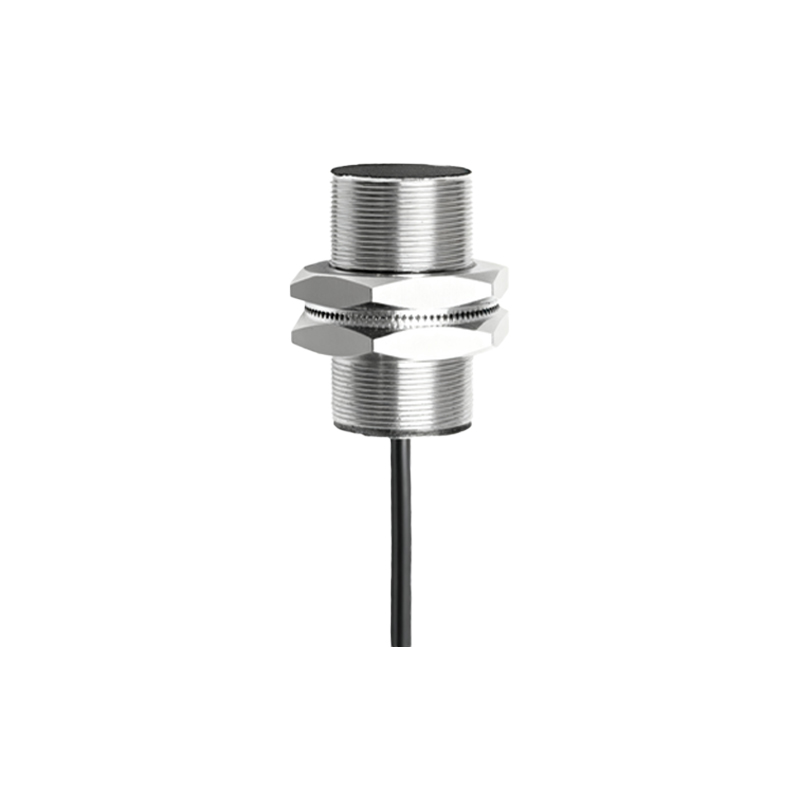
Comparing the X10 to other proximity sensors, such as inductive or capacitive types, highlights its unique benefits. While inductive sensors are limited to metallic objects and capacitive sensors to materials affecting an electrostatic field, the X10 Proximity Light Sensor can detect virtually any solid material, including plastic, glass, and wood. This universality, combined with its non-contact nature, reduces wear and tear, leading to lower long-term maintenance costs and higher system reliability.
Looking ahead, the integration of the X10 with IoT platforms and Industry 4.0 frameworks is expanding its capabilities. By connecting the sensor to networked systems, real-time data on machine performance and production metrics can be collected, enabling predictive maintenance and process optimization. Innovations in miniaturization and energy efficiency are also driving its adoption in emerging fields like wearable devices and smart infrastructure.
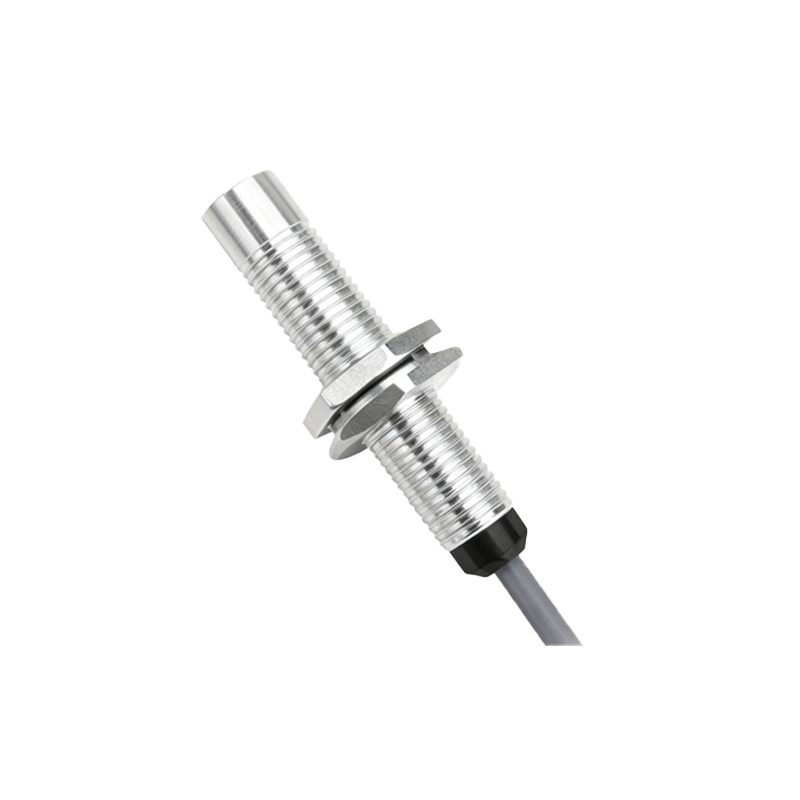
In conclusion, the X10 Proximity Light Sensor represents a critical tool for modern industrial automation, offering accuracy, durability, and flexibility. Its ability to perform in diverse conditions while supporting advanced digital transformations makes it an indispensable asset for engineers aiming to enhance productivity and innovation in their operations. As technology advances, the sensor's role is poised to grow, further solidifying its position in the core of intelligent systems.