In the demanding world of industrial automation and machinery, the reliability of sensing components is non-negotiable. Among these, proximity sensors stand as critical sentinels, detecting the presence or absence of objects without physical contact. However, standard sensors falter when exposed to moisture, coolants, lubricants, and hydraulic fluids. This is where waterproof and oil-resistant proximity sensors become indispensable, engineered to deliver unwavering performance in the most punishing conditions.
The core challenge in harsh environments is contamination. Water ingress can cause short circuits, corrosion, and signal failure. Oils and greases, common in machining, automotive, and food processing, can degrade sensor housings, cloud optical windows, or interfere with electromagnetic fields. A waterproof and oil-resistant proximity sensor is specifically designed to combat these elements. Key to this defense is its robust construction. Typically, these sensors feature housings made from materials like stainless steel (often grades 316 or 304) or high-performance polymers such as PBT or PPS. These materials offer inherent resistance to chemical attack and physical abrasion.
The sealing system is the heart of its durability. High-quality sensors employ multiple sealing strategies. Critical is the use of specialized elastomers like FKM (Fluorocarbon rubber) or HNBR (Hydrogenated Nitrile Butadiene Rubber) for O-rings and gaskets. These compounds maintain their elasticity and sealing force across a wide temperature range while resisting swelling or degradation when exposed to hydrocarbons, synthetic lubricants, and steam. The sensor face, especially in inductive or capacitive models, is often potted with an epoxy resin or similar compound to create a seamless, impenetrable barrier that protects the internal coil and electronics.
International protection ratings clearly define this capability. The IP (Ingress Protection) rating, per IEC 60529, is crucial. For waterproof and oil-resistant duty, a rating of IP67 is often a minimum, indicating protection against temporary immersion (up to 1 meter for 30 minutes). For more severe washdown or submerged applications, IP68 and IP69K ratings are specified, with the latter guaranteeing protection against high-pressure, high-temperature jet cleaning. Additionally, resistance to specific oils is often validated through testing against standards like ASTM D471, ensuring material compatibility.
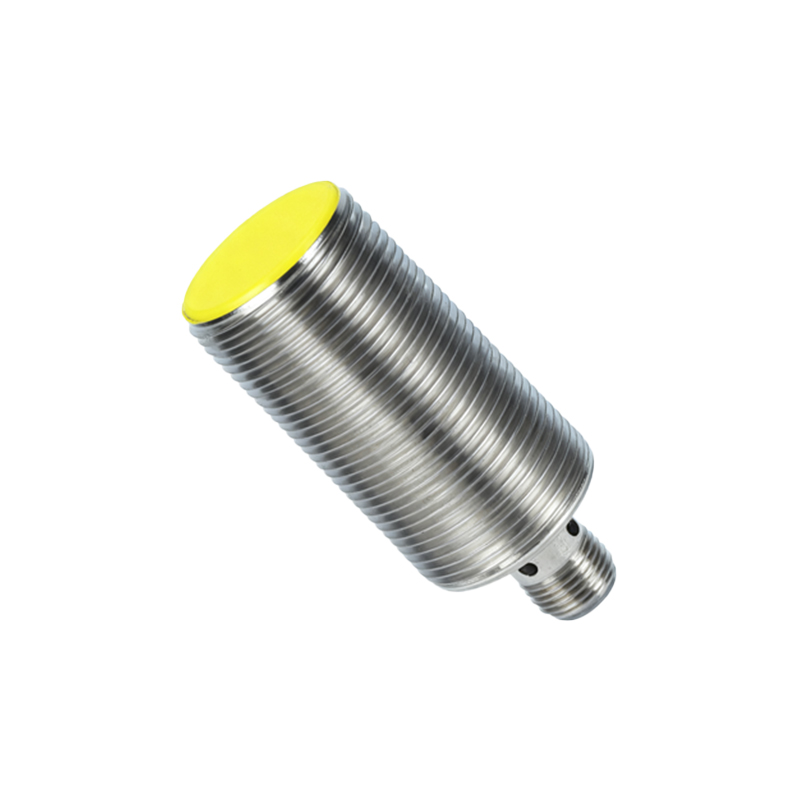
The operational benefits are substantial. First and foremost is enhanced reliability and uptime. By preventing failures caused by fluid exposure, these sensors drastically reduce unplanned maintenance and production stoppages. This leads to lower total cost of ownership despite a potentially higher initial investment. Secondly, they enable automation in previously challenging sectors. In food and beverage processing, sensors must withstand frequent caustic washdowns. In metalworking, they are exposed to cutting fluids and metal shavings. In offshore or marine applications, they face saltwater spray and constant humidity. Waterproof and oil-resistant sensors make automation feasible in these areas.
Selection criteria extend beyond just the IP rating. Engineers must consider the sensing technology. Inductive sensors, ideal for detecting metals, are commonly available in hardened, sealed versions. Capacitive sensors, used for non-metals, also benefit from these protections. Ultrasonic and photoelectric sensors require special attention to the sealing of their acoustic or optical windows. The operating temperature range must be verified, as sealing integrity can be compromised at extremes. Electrical output (PNP/NPN, analog, IO-Link) and connection type (pre-wired cable or connector with a sealed gland) are also vital choices that impact the overall sealed system.
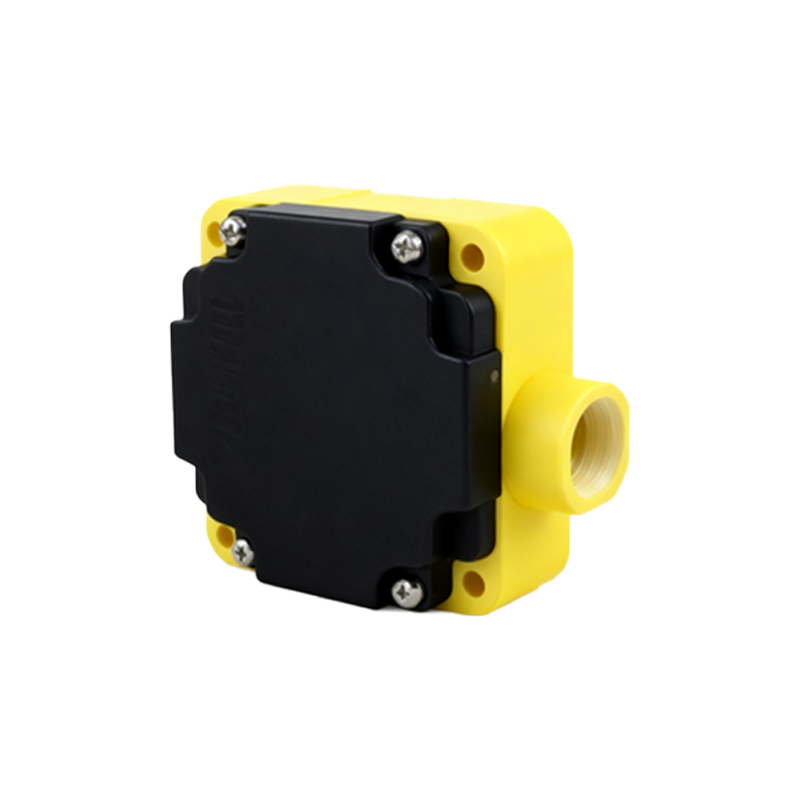
Installation and maintenance, while simplified by the rugged design, still require diligence. Proper mounting, ensuring the sealing surfaces are clean and undamaged, is critical. Over-tightening can distort housings and compromise seals, while under-tightening can leave gaps. Even with superior protection, periodic inspection for physical damage or seal wear is recommended as part of a predictive maintenance program.
In conclusion, waterproof and oil-resistant proximity sensors are not merely optional upgrades but fundamental components for modern industrial resilience. They bridge the gap between sensitive electronic control and the messy reality of industrial processes. By specifying sensors with the appropriate material composition, sealing technology, and protection ratings, engineers can build control systems that are not only intelligent but also extraordinarily durable, ensuring continuous operation and productivity in environments where failure is not an option. Their role is pivotal in advancing the frontiers of automation into ever more challenging and critical applications.