In the realm of industrial automation, the reliability and precision of sensing technology are paramount. The TL-Q5MC proximity switch sensor stands as a prominent example of a robust, high-performance inductive sensor designed for demanding environments. This article provides a comprehensive technical overview of the TL-Q5MC, exploring its operating principles, key specifications, and typical applications within modern industrial systems.
The TL-Q5MC is a cylindrical, shielded inductive proximity sensor. Its core functionality is based on the principle of electromagnetic induction. The sensor generates a high-frequency oscillating electromagnetic field from its active face. When a metallic target (typically ferrous metals like iron or steel, though non-ferrous metals can also be detected at reduced sensing ranges) enters this field, eddy currents are induced within the target. This causes a change in the oscillation amplitude within the sensor's internal LC tank circuit. The sensor's integrated electronics detect this change and trigger a switching action in its solid-state output. A key feature of the shielded (also known as flush-mountable) design is that it can be installed flush with a metal mounting surface without affecting its sensing characteristics, making it ideal for space-constrained applications.
Delving into its specifications, the TL-Q5MC typically operates with a standard DC supply voltage, commonly in the range of 10-30 VDC. Its output is usually configured as an NPN (sourcing) or PNP (sinking) transistor, providing a clear digital signal compatible with Programmable Logic Controllers (PLCs), counters, and other control systems. The rated sensing distance, a critical parameter, is specified by the manufacturer (e.g., 5mm). It is crucial to note that the effective operating distance can be influenced by factors such as target material, size, and shape. Standard industrial targets are defined as mild steel squares of a specific thickness. The sensor boasts a high switching frequency, allowing it to detect rapidly moving objects, which is essential in high-speed packaging, sorting, and assembly lines. Furthermore, the TL-Q5MC is renowned for its durability. Housed in a robust metal or high-grade plastic casing, it offers high resistance to vibration, shock, and industrial contaminants like oil and coolants. Many models feature IP67 or higher ingress protection ratings, ensuring reliable operation in wet or dusty conditions.
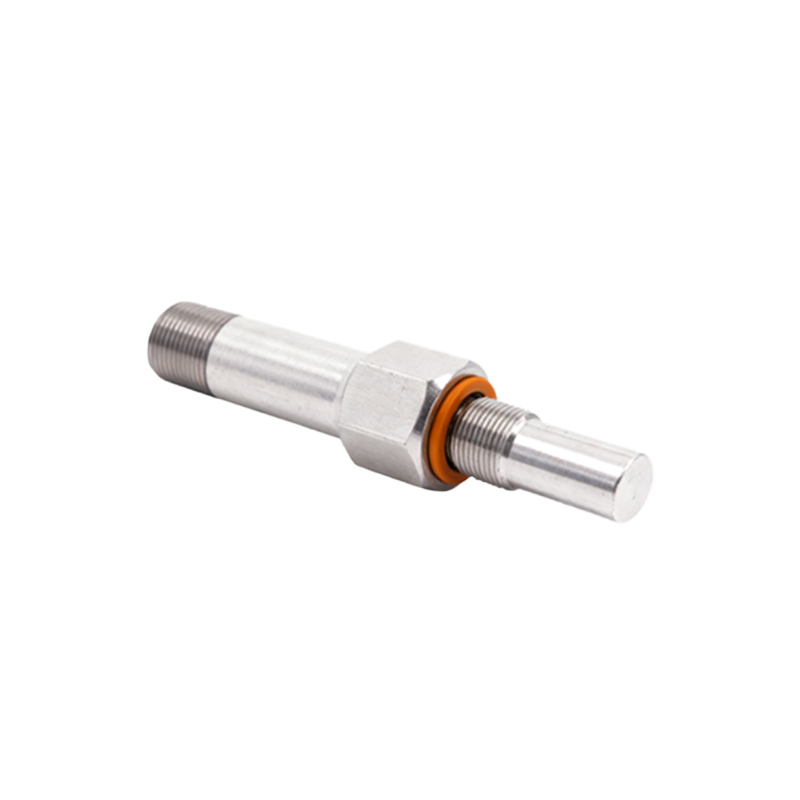
The application spectrum for the TL-Q5MC proximity sensor is vast across factory automation. A primary use is position detection. It is extensively employed to confirm the presence or absence of metal parts on conveyors, the end-of-travel position of pneumatic cylinders (by detecting the piston's metal band), or the correct seating of a workpiece in a machining fixture. In material handling, these sensors monitor the passage of metal containers or pallets, providing signals for counting and routing logic. Within automated machinery, they serve as safety interlocks, ensuring that guards are closed or tools are in the correct position before a cycle begins. Another significant application is speed monitoring on rotating equipment. By detecting gear teeth or bolts on a shaft, the TL-Q5MC can generate pulses for tachometer or RPM measurement systems.
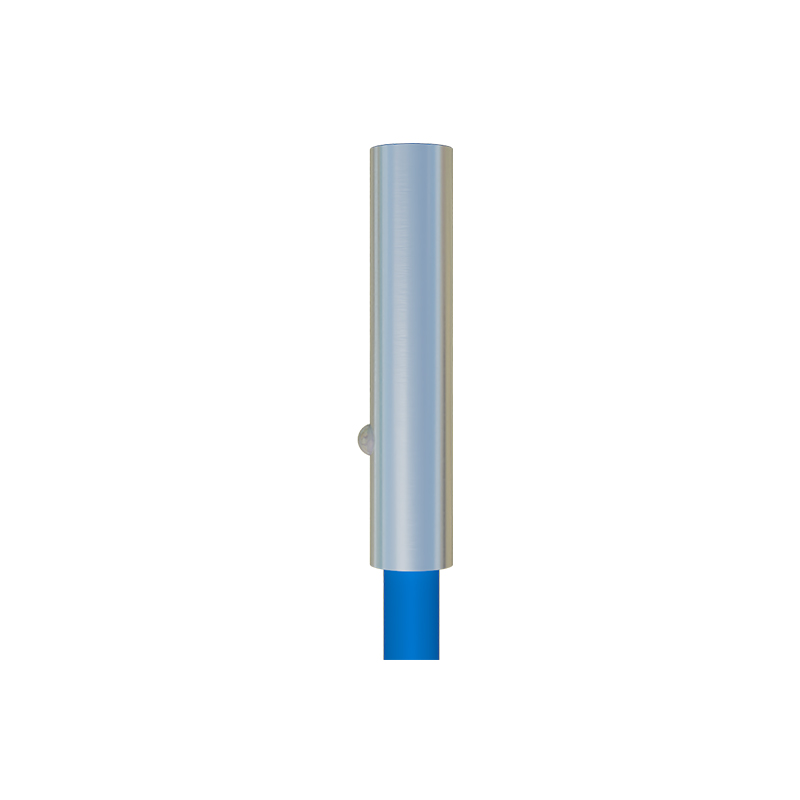
Installation and wiring are straightforward but require attention to detail. The sensor is typically mounted using a locknut. For shielded models like the TL-Q5MC, ensuring the mounting surface is clean and flat is sufficient. When wiring, it is imperative to adhere to the manufacturer's datasheet, correctly connecting the brown wire (typically +V), blue wire (0V or common), and black wire (load/output). Incorporating a flyback diode for DC inductive loads or using shielded cables in electrically noisy environments are standard best practices to enhance longevity and signal integrity. Regular maintenance is minimal but should include periodic checks for physical damage, accumulation of metallic debris on the sensing face, and verification of the output signal under operational conditions.
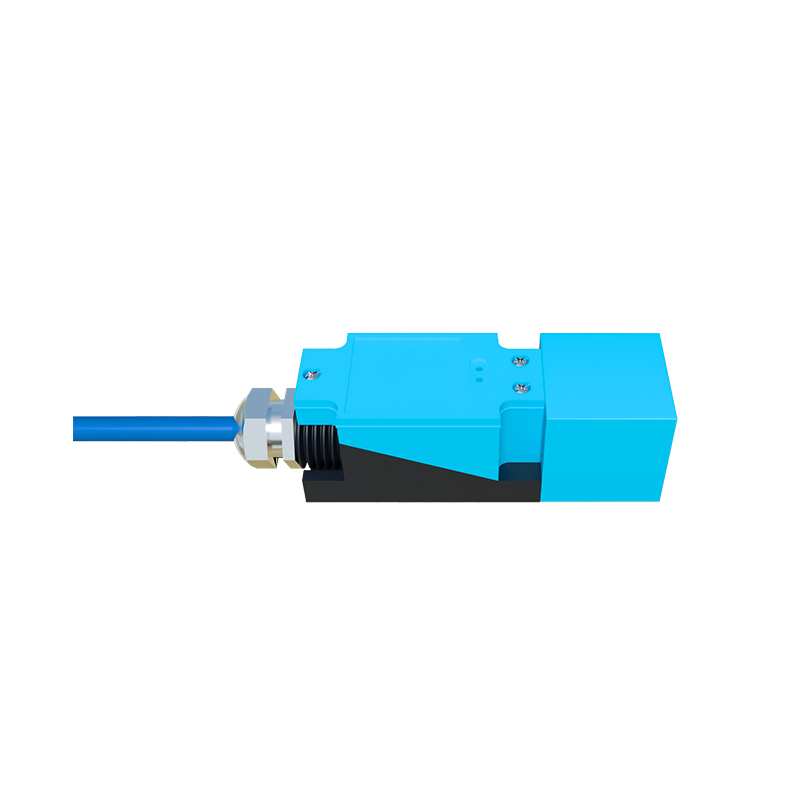
In comparison to other sensing technologies like photoelectric or capacitive sensors, the inductive TL-Q5MC excels in environments where the target is metallic and conditions are dirty or oily, where optical sensors might fail. Its primary limitation is its exclusive response to metals. When selecting a sensor for a specific task, engineers must consider the target material, required sensing distance, environmental factors, electrical interface, and housing size. The TL-Q5MC, with its balanced performance, standardized form factor, and proven reliability, often emerges as the default choice for generic metal detection tasks in harsh industrial settings.
In conclusion, the TL-Q5MC proximity switch sensor represents a fundamental component in the industrial automation toolkit. Its robust construction, consistent performance, and versatility in detecting metallic objects make it an indispensable element for ensuring efficiency, safety, and precision in countless manufacturing and processing applications. Understanding its technical parameters and correct implementation is key to leveraging its full potential in creating resilient and responsive automated systems.