In the realm of industrial automation, precision, reliability, and durability are non-negotiable. Among the myriad of components that ensure seamless operations, proximity sensors stand as critical sentinels. Specifically, the X20 series of proximity sensors has emerged as a benchmark, offering unparalleled performance in diverse and demanding environments. This guide delves into the technology, applications, and advantages of X20 proximity sensors, providing a comprehensive overview for engineers and system integrators.
Proximity sensors are devices that detect the presence or absence of an object without physical contact. They operate on various principles, including inductive, capacitive, and magnetic sensing. X20 proximity sensors primarily utilize inductive technology, making them ideal for detecting metallic objects. These sensors generate an electromagnetic field; when a metal object enters this field, it induces eddy currents, causing a change in the sensor's oscillation amplitude. This change is detected and converted into a switch signal, triggering an output. This non-contact method eliminates mechanical wear, ensuring long-term reliability and reducing maintenance needs.
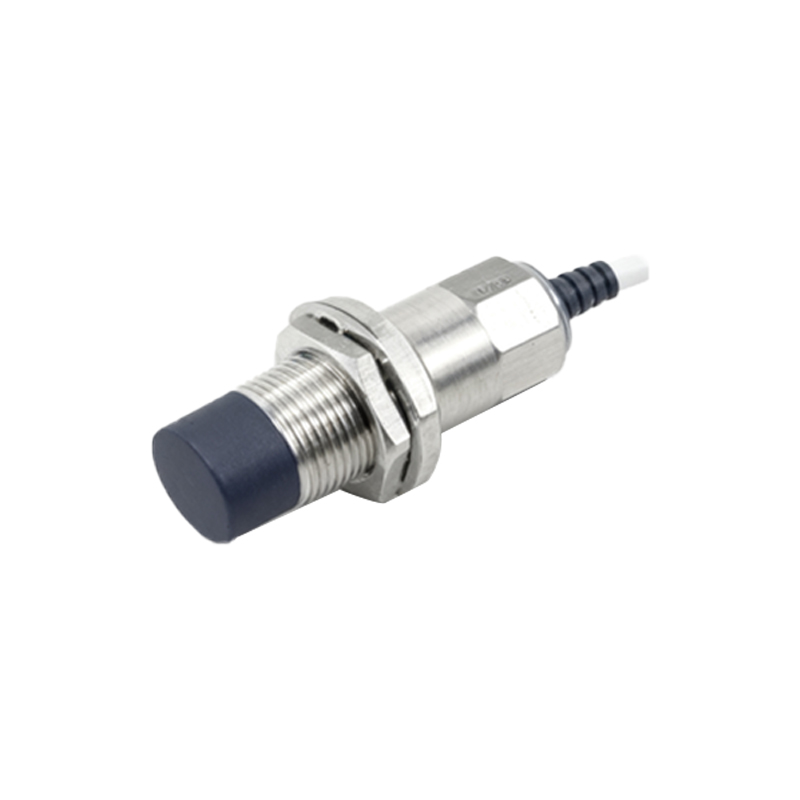
The X20 series is renowned for its robust design and exceptional performance characteristics. Constructed with high-grade materials such as stainless steel housings and PTFE-coated sensing faces, these sensors withstand harsh industrial conditions, including exposure to oils, coolants, and extreme temperatures. Their IP67 and IP69K ingress protection ratings guarantee reliable operation even in wet or dusty environments, common in automotive manufacturing, food processing, and heavy machinery applications.
One of the standout features of X20 proximity sensors is their versatility. Available in various form factors—including cylindrical, rectangular, and ring-shaped designs—they can be integrated into virtually any machine layout. Furthermore, they offer multiple output configurations, such as PNP, NPN, and analog outputs, compatible with a wide range of PLCs (Programmable Logic Controllers) and control systems. This flexibility simplifies system design and reduces inventory complexity, as a single sensor type can often meet multiple application requirements.
Application scenarios for X20 proximity sensors are extensive. In assembly lines, they precisely detect the position of components, ensuring correct placement and sequencing. In robotic arms, they provide feedback for end-effector positioning, enhancing accuracy and safety. Packaging machinery relies on these sensors to count products and verify fill levels, while in material handling, they monitor conveyor belt movements and detect jams. The automotive industry, in particular, leverages X20 sensors for tasks like weld gun positioning and part presence verification, where failure is not an option.
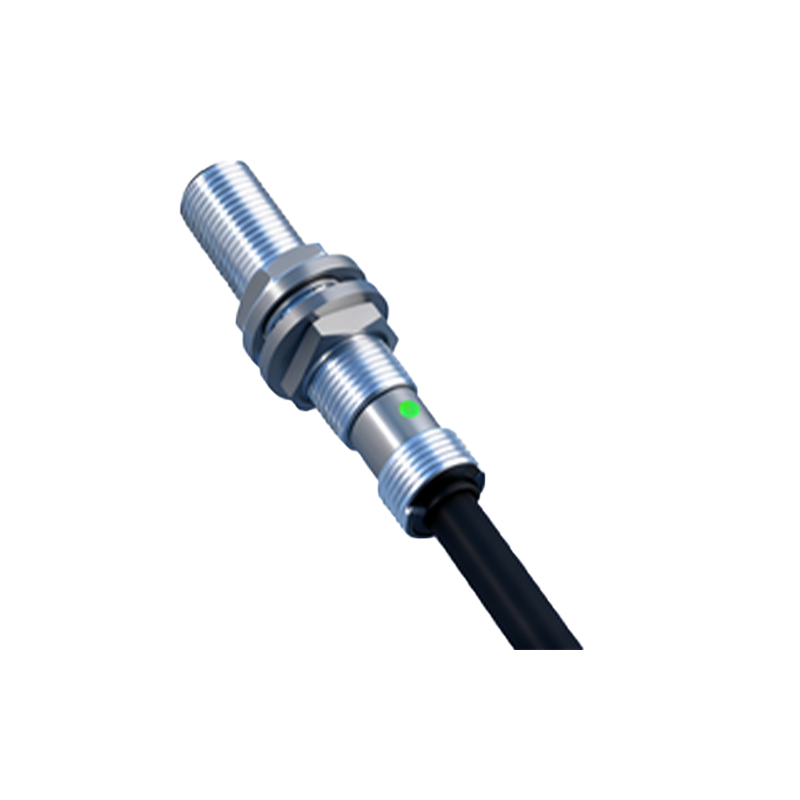
When selecting an X20 proximity sensor, several technical parameters must be considered. Sensing range, typically from 1 to 40 mm depending on the model, should match the application's spatial constraints. The sensor's switching frequency, often up to 5 kHz, determines how quickly it can detect objects in high-speed processes. Additionally, factors like temperature tolerance (commonly -25°C to 70°C), voltage supply (10-30 V DC), and output current capacity are critical for ensuring compatibility and optimal performance. Modern X20 sensors also incorporate advanced diagnostics, such as LED indicators for status monitoring and short-circuit protection, further enhancing system robustness.
Installation and maintenance best practices are straightforward but essential. Sensors should be mounted securely to avoid vibration-induced misalignment, with adequate clearance from other metal objects to prevent false triggering. Regular cleaning of the sensing face prevents buildup of contaminants that could impair functionality. Despite their durability, periodic checks for mechanical damage and electrical integrity are recommended as part of a preventive maintenance regimen.
In comparison to traditional mechanical limit switches or photoelectric sensors, X20 inductive proximity sensors offer distinct advantages. Their non-contact nature eliminates part wear, leading to a longer operational lifespan—often exceeding 10 million switching cycles. They are immune to ambient light interference, a common issue with optical sensors, and provide consistent performance regardless of surface color or texture. While initial costs may be higher than basic switches, the reduction in downtime and maintenance expenses results in a lower total cost of ownership over time.
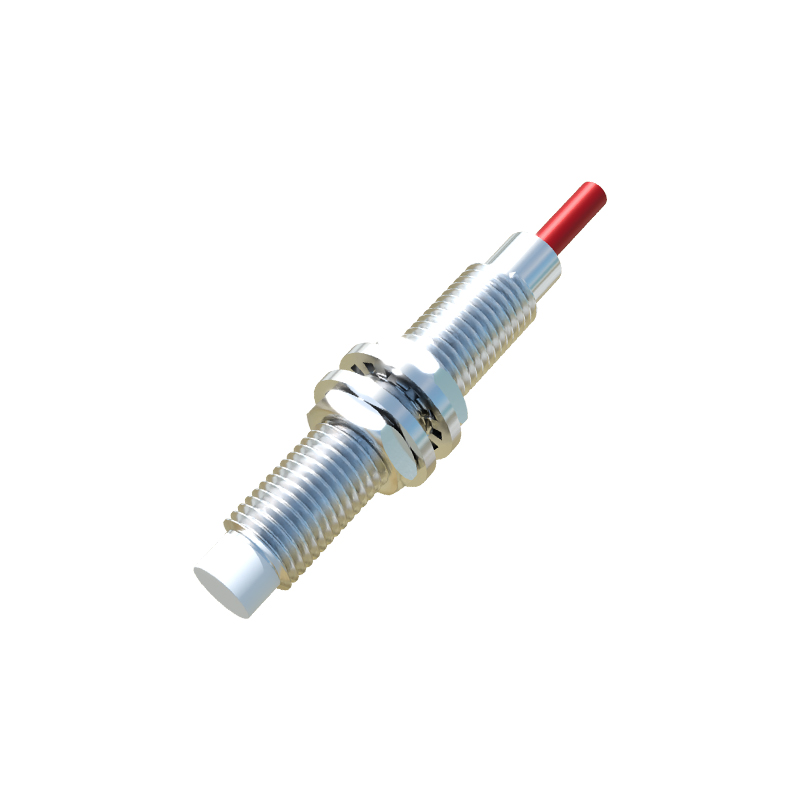
Looking ahead, the integration of Industry 4.0 and IIoT (Industrial Internet of Things) is shaping the next evolution of proximity sensors. Future X20 models may incorporate IO-Link communication, enabling real-time data exchange on parameters like temperature, signal strength, and device health. This connectivity facilitates predictive maintenance, remote configuration, and enhanced process optimization, aligning with smart factory initiatives.
In conclusion, X20 proximity sensors represent a fusion of robust engineering and practical innovation. Their ability to deliver precise, reliable detection in challenging environments makes them indispensable in modern industrial automation. By understanding their principles, specifications, and applications, engineers can leverage these components to build more efficient, resilient, and intelligent systems. As automation continues to advance, the role of high-performance sensors like the X20 series will only grow in significance, driving productivity and operational excellence across industries.