In the rapidly evolving landscape of consumer electronics, the V30Pro proximity sensor stands out as a critical component that significantly enhances device functionality and user interaction. As an electrical engineer with extensive experience in sensor technology, I aim to delve into the technical intricacies, applications, and benefits of the V30Pro, providing insights that cater to both industry professionals and tech enthusiasts.
The V30Pro proximity sensor is an infrared-based optical sensor designed to detect the presence of nearby objects without physical contact. It operates on the principle of emitting infrared light and measuring the reflection to determine distance. This non-contact detection mechanism is pivotal in modern smartphones, tablets, and other smart devices, where it primarily manages screen behavior—such as turning off the display during calls to prevent accidental touches. The sensor's high sensitivity and rapid response time, typically in the millisecond range, ensure seamless user experiences by minimizing latency in real-time applications.
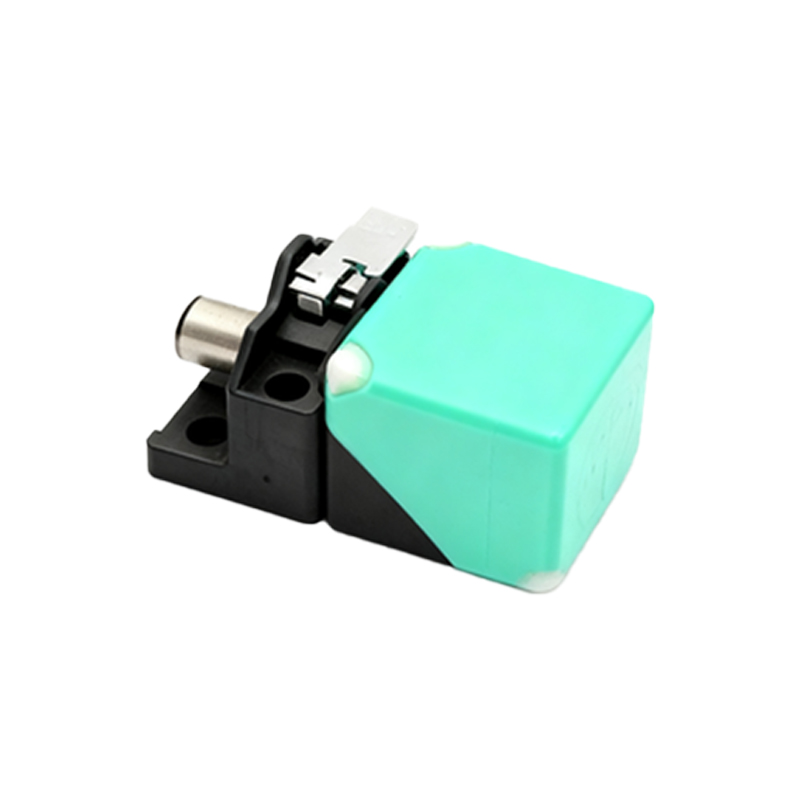
From a technical perspective, the V30Pro incorporates advanced features like ambient light cancellation and noise reduction algorithms. These capabilities allow it to function accurately in diverse environmental conditions, whether in bright sunlight or dim indoor settings. The sensor's compact design, often measuring less than a few millimeters, makes it ideal for integration into sleek, space-constrained devices. Moreover, its low power consumption aligns with the growing demand for energy-efficient electronics, contributing to extended battery life in portable gadgets.
In industrial applications, the V30Pro proximity sensor finds use in automation systems, robotics, and safety mechanisms. For instance, in manufacturing lines, it can detect object proximity to trigger machinery actions or halt operations to prevent accidents. Its reliability and durability, with operating temperatures ranging from -40°C to 85°C, make it suitable for harsh environments. Engineers appreciate its compatibility with various microcontrollers and communication protocols, such as I2C or SPI, which simplifies integration into existing systems.
The development of the V30Pro also addresses common challenges in proximity sensing, such as false triggers from reflective surfaces or interference from other light sources. Through sophisticated calibration and firmware updates, it offers improved accuracy and stability. As the Internet of Things (IoT) expands, sensors like the V30Pro are becoming integral to smart home devices, wearables, and automotive systems, enabling features like gesture control and presence detection.
Looking ahead, innovations in materials science and signal processing may further enhance the V30Pro's capabilities. Potential advancements include multi-spectral sensing for broader object recognition or integration with artificial intelligence for predictive behaviors. For engineers and designers, staying updated on such trends is essential to leverage proximity sensors in creating intuitive, efficient products.
In summary, the V30Pro proximity sensor exemplifies how precise engineering can drive user-centric innovation. Its blend of performance, versatility, and efficiency makes it a cornerstone in modern electronics, paving the way for smarter interactions in our daily lives. By understanding its workings and applications, professionals can harness its potential to develop cutting-edge solutions across industries.