In the world of industrial automation and machinery, proximity sensors are indispensable components. They provide non-contact detection of metallic or, in some cases, non-metallic objects, playing a critical role in positioning, counting, and safety applications. A common and crucial question for engineers, procurement specialists, and business owners is: "How much does a proximity sensor cost?" The answer is not a simple figure, as the price can vary dramatically based on a multitude of technical and commercial factors. This guide will dissect the key determinants of proximity sensor pricing and provide a realistic overview of current market rates.
The primary factor influencing cost is the underlying technology or sensing principle. Inductive proximity sensors, designed to detect metallic objects, are generally the most economical. Entry-level, standard-range inductive sensors can start as low as $15 to $30 USD per unit for common M12 or M18 threaded barrel styles. Moving up to more specialized models—like those with extended sensing ranges, weld-field immunity (for use near welding equipment), or all-stainless-steel housings—can push prices into the $50 to $150 USD range. Capacitive sensors, used for detecting non-metallic materials such as plastics, liquids, or wood, typically carry a slight premium over their inductive counterparts, often ranging from $25 to $80 USD for standard models.
Magnetic sensors (reed or Hall effect) and ultrasonic sensors represent other common types, with prices heavily dependent on performance. Simple magnetic sensors can be very inexpensive (under $20), while sophisticated ultrasonic sensors with analog output or advanced programming can cost $100 to $300 or more. Photoelectric sensors, while not always classified as "proximity" in the strictest sense, are a key alternative for long-range detection. Their prices span the widest spectrum, from $30 for a basic diffuse sensor to over $500 for high-precision, background-suppression models or complex fiber-optic units.
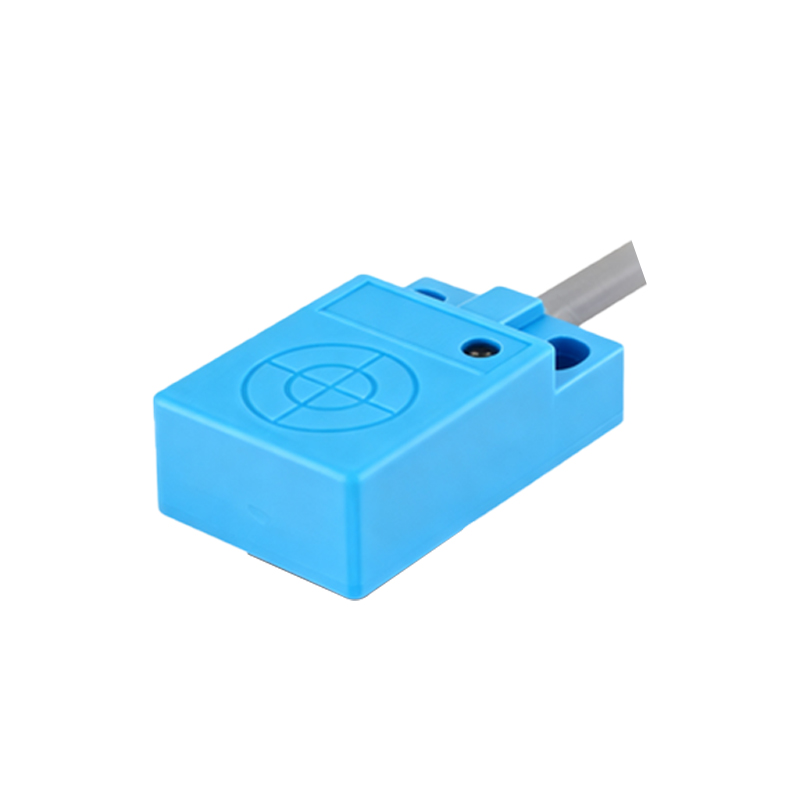
Beyond the core technology, specifications dictate price. Sensing range is a major cost driver; a sensor with a 2mm range will cost less than an identical-technology sensor with a 15mm range. The housing material is another critical element. Standard nickel-plated brass or PBT plastic housings are cost-effective. However, sensors rated for harsh environments—featuring V4A/AISI 316L stainless steel, or specialized coatings for chemical resistance—command a significant premium. The ingress protection (IP) rating (e.g., IP67, IP69K) directly correlates with price, with higher protection levels increasing manufacturing complexity and cost.
Electrical characteristics and output configuration are equally important. A basic 2-wire DC sensor is less expensive than a 3-wire or 4-wire version. Sensors with a simple Normally Open (NO) or Normally Closed (NC) transistor output are standard. Adding features like analog current (4-20mA) or voltage (0-10V) output, IO-Link digital communication, or programmable logic functions can easily double or triple the base price. Brand reputation and associated services also play a monumental role in pricing. Established global leaders like Siemens, Omron, Pepperl+Fuchs, and Balluff offer high-reliability products backed by extensive technical support, global availability, and long-term warranties. Their prices reflect this premium positioning. A sensor from these manufacturers might cost 20% to 50% more than a functionally similar sensor from a value-oriented or regional brand. The trade-off often involves long-term reliability, documentation, and access to technical expertise.
Quantity is, unsurprisingly, a decisive factor. List prices for single units are the highest. Significant discounts are applied for volume purchases, such as 100-piece or 500-piece orders. For ongoing production lines, annual blanket purchase agreements can yield the most favorable pricing. It is always advisable to request formal quotes from distributors or manufacturers for project-based pricing.
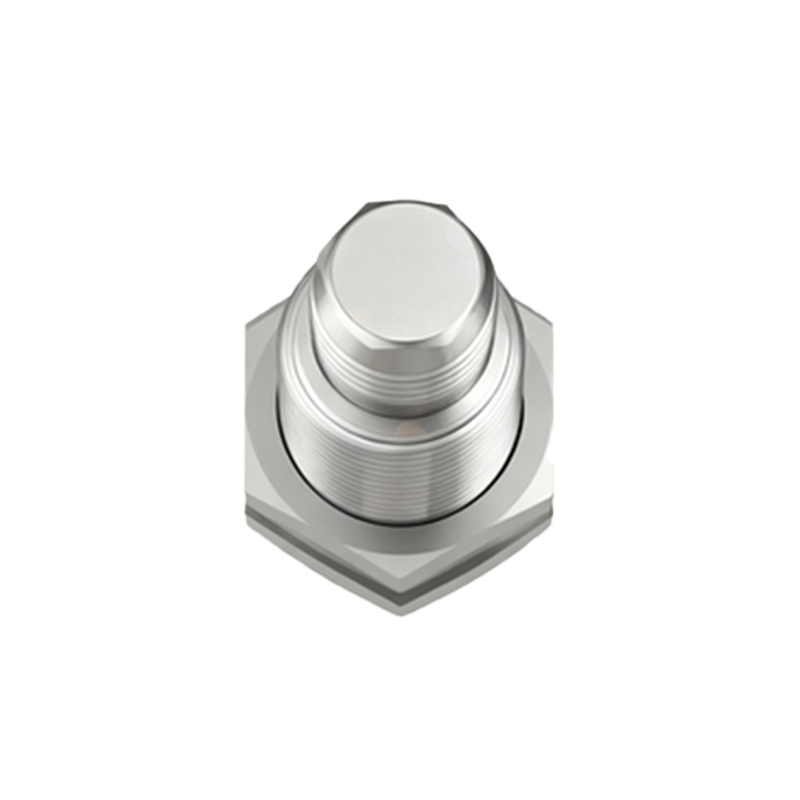
Considering all these variables, here is a consolidated price overview for a single unit in 2023-2024:
Basic Inductive Sensor (M12, 4mm range): $18 - $45
Stainless Steel Inductive Sensor (M30, IP69K): $70 - $180
Standard Capacitive Sensor: $30 - $90
Standard Cylindrical Photoelectric Sensor (Diffuse): $40 - $120
Ultrasonic Sensor with Analog Output: $120 - $350
IO-Link Enabled Inductive Sensor (Smart Sensor): $50 - $150
In conclusion, the cost of a proximity sensor is a function of its technology, performance, durability, and brand value. While initial purchase price is a key consideration, the total cost