In the realm of industrial automation and electronic system design, proximity light sensors stand as a cornerstone technology for non-contact detection and measurement. Fundamentally, a proximity light sensor is an optoelectronic device that detects the presence, absence, or distance of an object by emitting a beam of light—typically infrared (IR), visible red, or laser—and analyzing the reflected signal. Unlike mechanical limit switches or inductive/capacitive proximity sensors, these devices rely on optical principles, making them ideal for applications requiring high precision, sensitivity to non-metallic materials, or operation in clean environments.
The core operational principle hinges on the modulation and reception of light. The sensor contains an emitter, usually a Light Emitting Diode (LED) or a laser diode, and a receiver, such as a phototransistor or photodiode. The emitted light beam strikes a target object. Depending on the sensor type, the detection method varies. The most common configurations are through-beam, retro-reflective, and diffuse-reflective.
Through-beam sensors, also known as opposed-mode sensors, feature separate emitter and receiver units placed opposite each other. An object is detected when it interrupts the light beam traveling from the emitter to the receiver. This configuration offers the longest sensing range and highest reliability, as it is less affected by the object's color, reflectivity, or surface angle. They are extensively used in safety curtains, conveyor belt break detection, and high-speed counting.
Retro-reflective sensors house both emitter and receiver in a single housing. They utilize a reflector, such as a corner-cube retroreflector, to bounce the emitted light back to the receiver. Detection occurs when an object blocks this reflected beam. These sensors provide a good balance of range and convenience, simplifying installation compared to through-beam systems. A key consideration is the potential for erroneous detection of shiny objects, which some advanced models mitigate with polarization filters.
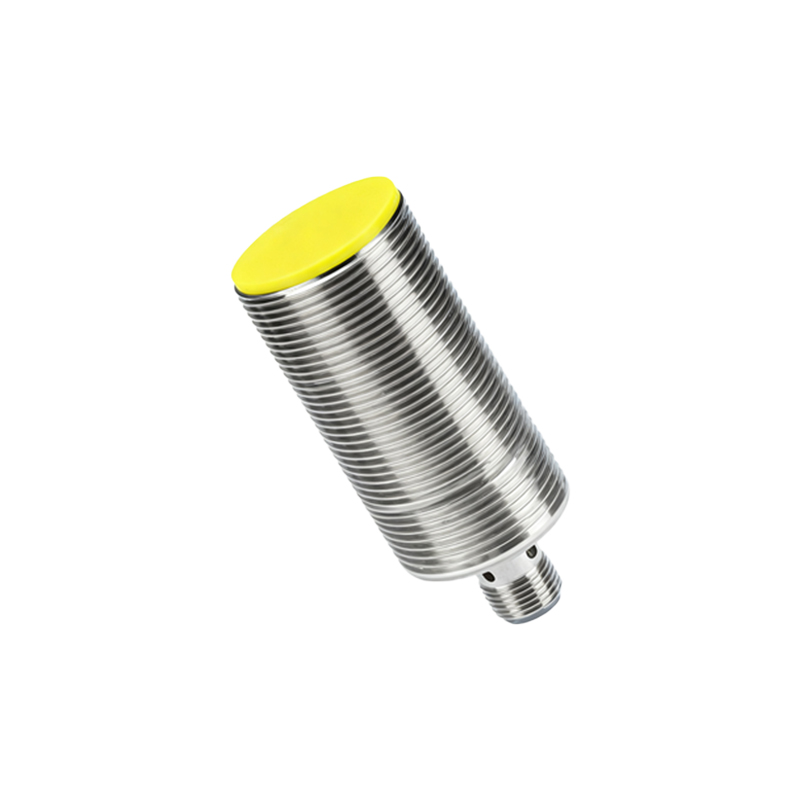
Diffuse-reflective sensors, or proximity-mode sensors, are the most compact, integrating emitter and receiver. They detect an object by the light diffusely reflected from the object's own surface. The sensing distance is therefore highly dependent on the target's size, color, and texture—light-colored, matte surfaces provide longer ranges than dark, glossy ones. This type is ubiquitous in applications like object presence detection on assembly lines, bottle filling level control, and robotic end-effector guidance.
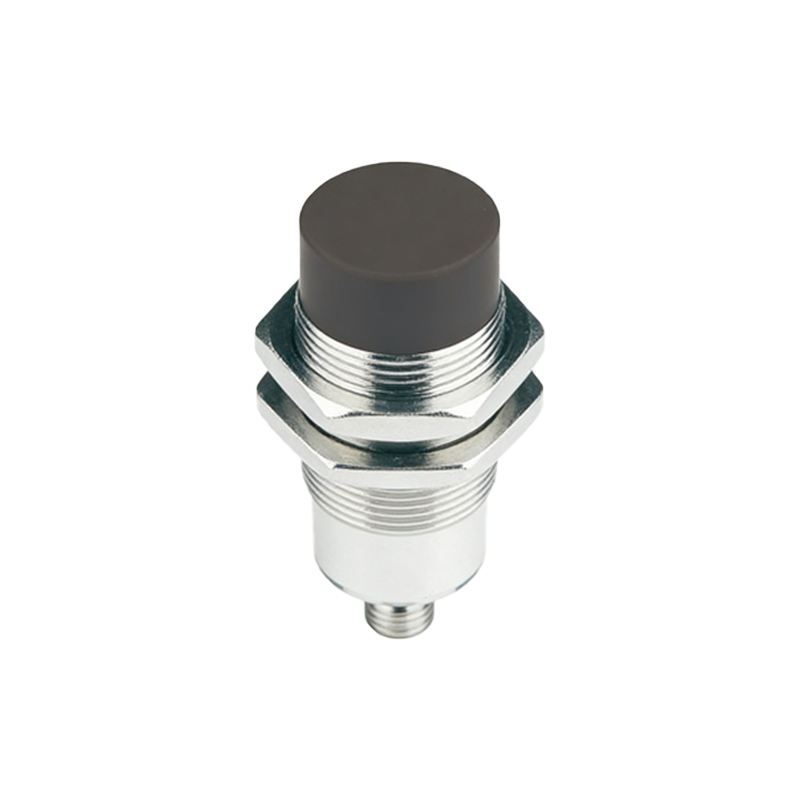
Beyond simple presence detection, advanced proximity light sensors incorporate time-of-flight (ToF) or triangulation principles for precise distance measurement. A ToF sensor measures the time delay between the emission of a light pulse and the reception of its reflection to calculate distance, suitable for medium to long-range applications. Triangulation-based sensors use the position of the reflected light spot on a dedicated sensor array to determine distance with exceptional accuracy at shorter ranges, commonly found in precision positioning and thickness gauging.
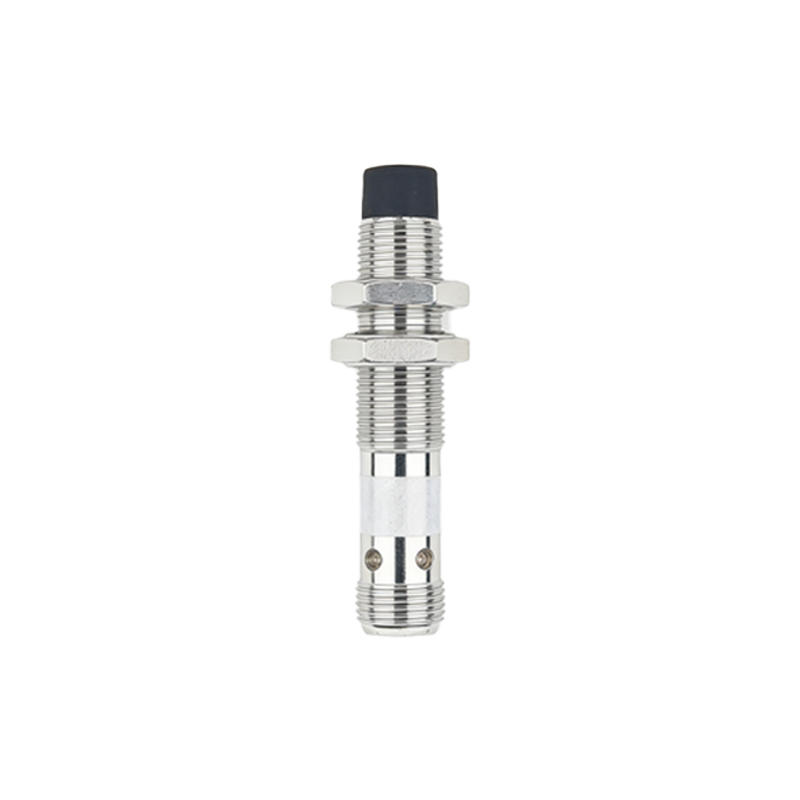
Key performance specifications for electrical engineers to evaluate include sensing distance, repeat accuracy, response time, light source type, and environmental ratings. Factors such as ambient light immunity (often achieved by using modulated IR light), temperature stability, and ingress protection (IP) rating are critical for robust industrial deployment. For instance, in automotive manufacturing, proximity light sensors with high IP ratings reliably function despite coolant mist and particulate contamination.
Integration into control systems is typically straightforward, with output options ranging from simple digital PNP/NPN transistor switches to analog current (4-20 mA) or voltage (0-10 V) signals, and increasingly, direct digital communication via IO-Link or Ethernet-based fieldbus protocols. This allows for not just binary detection but also the transmission of measured distance or intensity values to Programmable Logic Controllers (PLCs) for sophisticated process control.
In conclusion, proximity light sensors are versatile, precise components essential for modern automation. Their selection requires a careful analysis of the target object's properties, the required sensing performance, and the operational environment. By leveraging the appropriate optical configuration and technology, engineers can implement reliable, non-contact sensing solutions that enhance efficiency, safety, and quality across countless industrial and electronic applications.