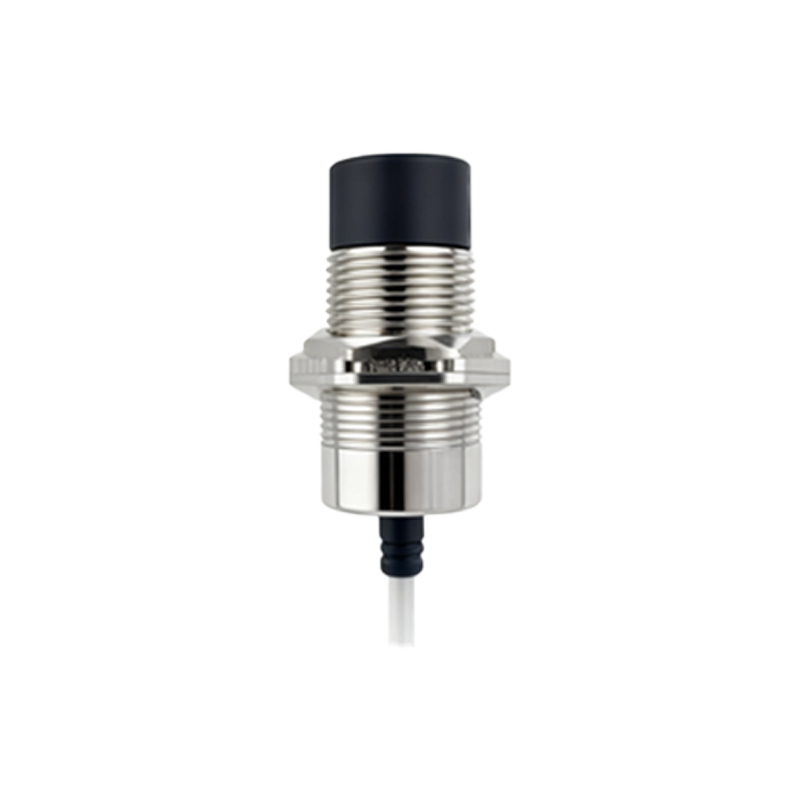
In the world of industrial automation and electrical engineering, proximity switches and Hall effect sensors are both pivotal components used for non-contact detection. However, a common question arises: Are proximity switches Hall effect sensors? The answer is nuanced—while some proximity switches utilize Hall effect technology, not all proximity switches are Hall effect sensors, and vice versa. This article delves into the distinctions, working principles, and applications to clarify their relationship.
Proximity switches, broadly defined, are sensors that detect the presence or absence of an object without physical contact. They operate based on various physical principles, including electromagnetic, capacitive, inductive, and optical methods. Among these, inductive proximity switches are widely used for detecting metallic objects, while capacitive types can sense both metallic and non-metallic materials. Optical proximity switches rely on light beams, making them suitable for diverse applications. The key characteristic of a proximity switch is its ability to output a signal (typically digital) when an object enters its sensing range, often used for positioning, counting, or safety interlocks in machinery.
Hall effect sensors, on the other hand, are a specific type of sensor based on the Hall effect—a phenomenon where a voltage difference is generated across an electrical conductor when subjected to a magnetic field perpendicular to the current flow. These sensors are primarily used to detect magnetic fields or the position of magnetic objects. They output analog or digital signals proportional to the magnetic field strength, making them ideal for applications like speed sensing in motors, current measurement, and rotary encoders. Hall effect sensors are known for their reliability, durability, and ability to operate in harsh environments.

So, where do they overlap? Hall effect sensors can be classified as a subset of proximity switches when configured for proximity detection. For instance, a Hall effect proximity switch is designed to detect the approach of a magnet or magnetic material, triggering a switch output. These are commonly found in automotive systems (e.g., gear position sensing), industrial equipment (e.g., limit switches), and consumer electronics (e.g., laptop lid closure detection). In such cases, the Hall effect sensor functions as a proximity switch by sensing magnetic proximity without contact.
However, not all proximity switches use Hall effect technology. Inductive proximity switches, for example, generate an electromagnetic field and detect changes caused by metallic objects—no magnetic field or Hall effect is involved. Similarly, capacitive and optical proximity switches rely on entirely different principles. Conversely, Hall effect sensors are not exclusively used for proximity switching; they can serve in current sensing or angular measurement roles where proximity isn't the primary function.
In practical applications, the choice between a Hall effect-based proximity switch and other types depends on factors like target material, environmental conditions, accuracy requirements, and cost. Hall effect proximity switches excel in scenarios involving magnetic targets or where high precision and fast response are needed, such as in robotics or automotive braking systems. For non-magnetic metals, inductive switches might be preferred, while capacitive switches handle plastics or liquids. Engineers must evaluate specifications like sensing distance, output type (PNP/NPN), and temperature range to select the appropriate device.
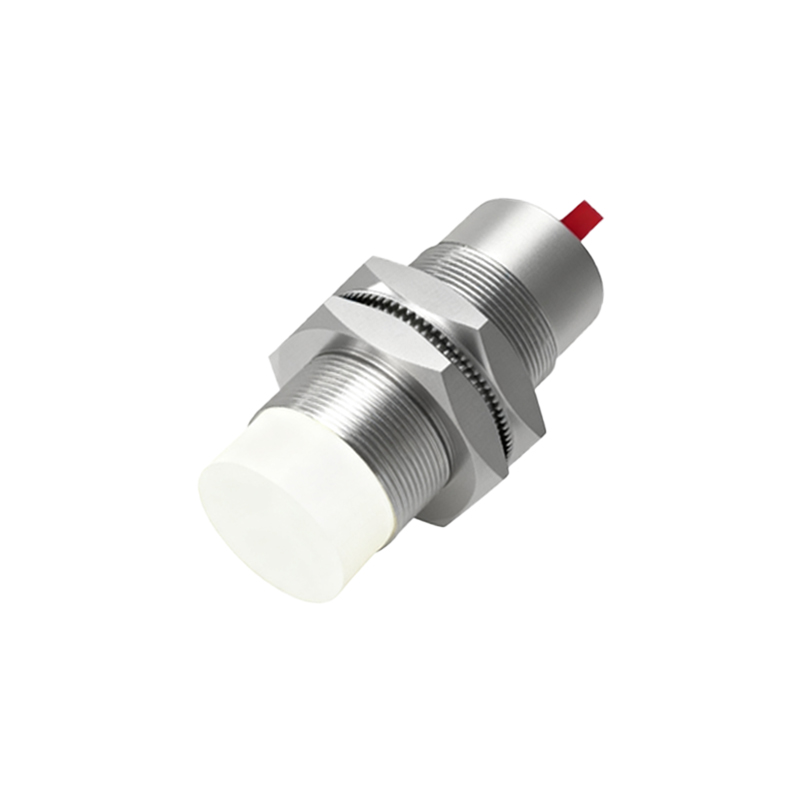
In summary, while Hall effect sensors can be implemented as proximity switches, the terms are not interchangeable. Proximity switches encompass a broader category of non-contact detection devices, with Hall effect technology being one of several operational methods. Understanding this distinction helps in designing efficient and reliable control systems, ensuring optimal performance in industrial automation, manufacturing, and beyond. As technology advances, hybrid sensors may blur lines further, but the core principles remain essential for informed decision-making in electrical engineering projects.