In the realm of industrial automation, proximity sensor switches stand as critical components, enabling non-contact detection of objects with precision and reliability. As a seasoned electrical engineer, I have witnessed firsthand the intricate manufacturing processes that transform raw materials into these sophisticated devices. This article delves into the operations of a proximity sensor factory, highlighting the key stages from design to final testing, all while adhering to industry standards and technological advancements.
The journey begins in the research and development (R&D) department, where engineers collaborate to design sensors tailored for specific applications, such as inductive, capacitive, or ultrasonic types. Using advanced CAD software, they create detailed schematics and prototypes, ensuring optimal performance in harsh environments. Material selection is paramount; high-grade plastics, metals like stainless steel or brass, and electronic components such as integrated circuits and coils are sourced from certified suppliers. Quality checks at this stage involve verifying material specifications to prevent defects early on.
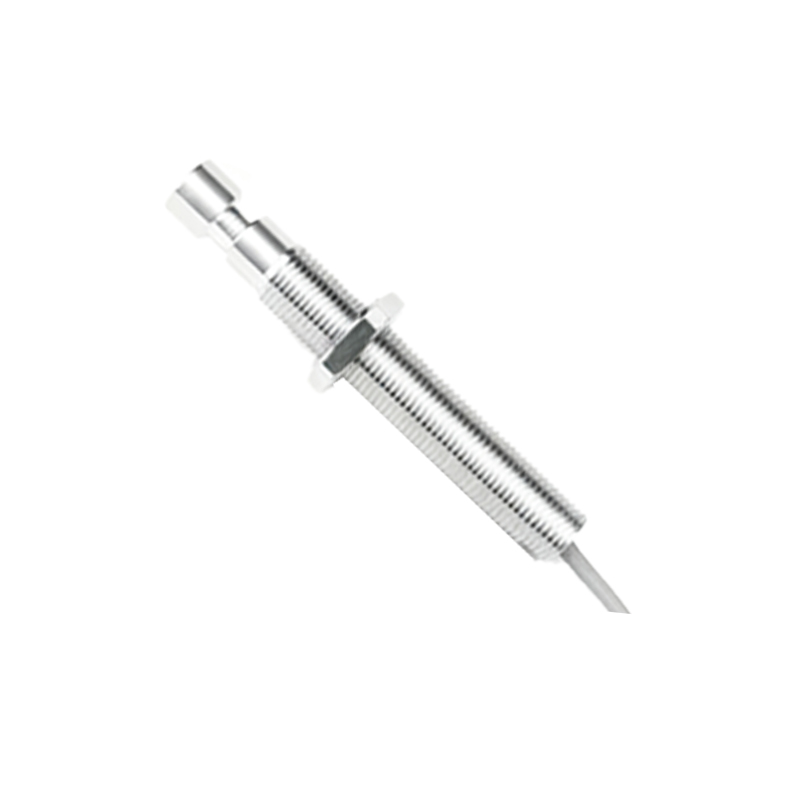
Once designs are finalized, production moves to the assembly line. The process typically starts with the fabrication of sensor housings through injection molding or machining, which provides durability and IP-rated protection against dust and moisture. Next, electronic assembly takes center stage. Automated pick-and-place machines precisely mount components onto printed circuit boards (PCBs), followed by soldering in reflow ovens to secure connections. Skilled technicians then install sensing elements, such as coils for inductive sensors, and calibrate them to achieve accurate detection ranges. This phase requires strict adherence to ESD (electrostatic discharge) protocols to safeguard sensitive electronics.
Calibration and testing are the heart of manufacturing, ensuring each sensor meets rigorous industry standards like IEC 60947-5-2. In dedicated testing bays, sensors undergo functional checks using simulated targets to verify switching distances, response times, and hysteresis. Environmental stress tests, including temperature cycling from -25°C to 70°C and vibration resistance trials, validate reliability under real-world conditions. Data from these tests are logged digitally, allowing for traceability and continuous improvement. Any unit failing to meet specifications is flagged for rework or disposal, maintaining a near-zero defect rate.
Packaging and logistics conclude the process, with sensors being labeled, boxed, and prepared for global distribution. Modern factories employ lean manufacturing principles, minimizing waste and optimizing throughput. As technology evolves, trends like Industry 4.0 integration are reshaping production floors, with IoT-enabled sensors providing real-time monitoring of manufacturing metrics. This not only enhances efficiency but also supports predictive maintenance, reducing downtime.
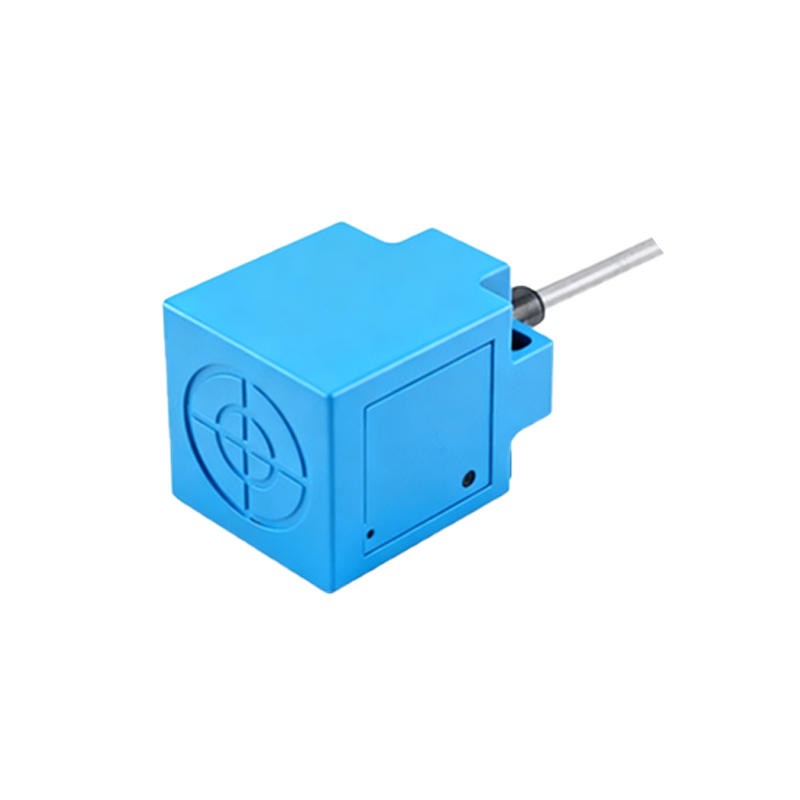
In summary, the manufacturing of proximity sensor switches is a blend of engineering expertise, precision machinery, and quality assurance. From R&D to final shipment, every step is meticulously controlled to deliver devices that empower automation systems worldwide. For engineers and buyers alike, understanding this process underscores the value of investing in high-quality sensors for long-term operational success.