Proximity sensors are fundamental components in modern industrial automation, designed to detect the presence or absence of an object without physical contact. Among the various specifications that define their performance, the standard modes of operation play a critical role in ensuring reliability, compatibility, and efficiency across diverse applications. This article delves into the core standard modes of proximity sensors, explaining their principles, typical use cases, and selection criteria for engineers and system integrators.
The standard modes of proximity sensors primarily refer to their output configurations and sensing behaviors, which are standardized by international norms such as IEC 60947-5-2 and ISO 13856. These modes ensure interoperability and safety in industrial environments. The most common standard modes include Normally Open (NO), Normally Closed (NC), and Complementary outputs. In Normally Open mode, the sensor's output circuit remains open (non-conductive) when no target is detected, and it closes (conductive) upon detecting an object within its sensing range. This mode is widely used in applications where an action should be triggered only when an object is present, such as in conveyor belt systems for counting items or in robotic arms for part positioning. Conversely, Normally Closed mode operates inversely: the output circuit is closed when no target is detected and opens when an object is sensed. This mode is often employed in safety-critical scenarios, like emergency stop circuits or guard door monitoring, where a break in the circuit signals an alarm or shutdown to prevent hazards. Complementary mode combines both NO and NC outputs in a single sensor, providing two opposite signals simultaneously. This allows for flexible integration into complex control systems, enabling redundancy or multi-stage processes, such as in automated assembly lines where different actions are required based on sensor states.
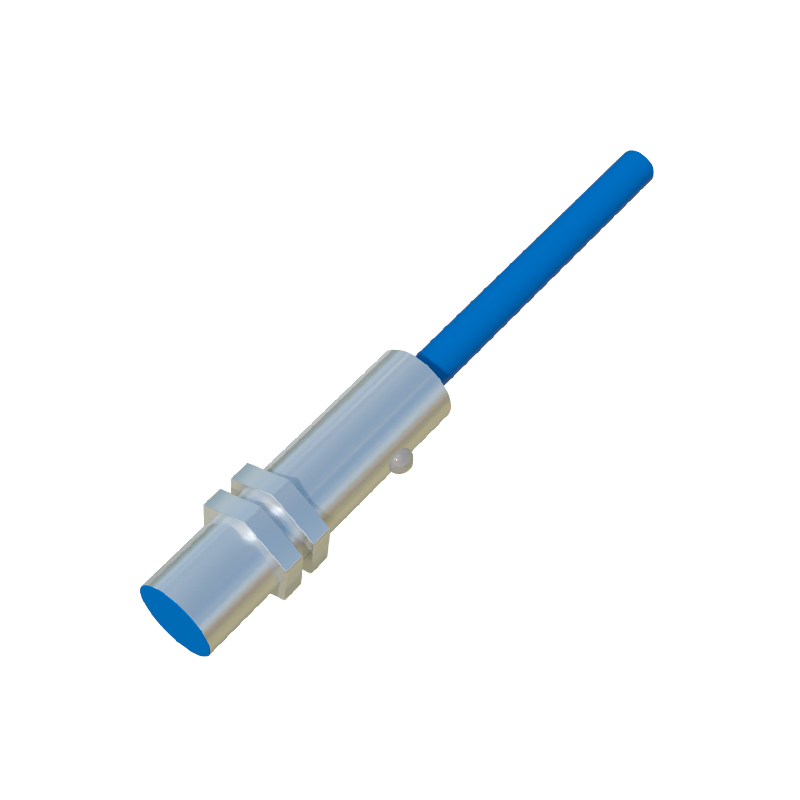
Beyond output types, standard modes also encompass sensing technologies, which influence detection capabilities. Inductive proximity sensors, for instance, are standardized for detecting metallic objects using electromagnetic fields, with modes defined for ferrous and non-ferrous metals. Capacitive sensors, standardized for non-metallic materials like plastics or liquids, operate based on changes in capacitance. Each technology has specific mode parameters, including sensing distance, response time, and environmental tolerance, which are codified in datasheets per industry standards. For example, the sensing distance in inductive sensors is typically standardized as a nominal value with tolerances, ensuring predictable performance across manufacturers. Response time, another key parameter, is standardized in milliseconds to match the speed requirements of high-cycle machinery, such as packaging equipment or CNC machines.
Selecting the appropriate standard mode depends on application requirements, including the type of target material, required sensing range, environmental conditions (e.g., temperature, humidity, or exposure to chemicals), and integration with control systems like PLCs or microcontrollers. Engineers must consider factors such as electrical compatibility (e.g., voltage levels and current ratings), mounting configurations, and compliance with safety standards like ISO 13849 for functional safety. In practice, misalignment between sensor mode and application can lead to malfunctions, reduced lifespan, or safety risks. Therefore, consulting manufacturer specifications and industry guidelines is essential. For instance, in food processing plants, sensors with IP67-rated enclosures and NC modes might be chosen for washdown areas to ensure hygiene and fail-safe operation.
In summary, understanding the standard modes of proximity sensors is crucial for optimizing industrial automation systems. These modes, governed by international standards, provide a framework for reliable object detection, enhancing productivity and safety. As technology advances, new modes may emerge, but the core principles of NO, NC, and Complementary outputs, along with technology-specific parameters, remain foundational. By adhering to standardized modes, engineers can ensure seamless integration, reduce downtime, and future-proof their installations in an ever-evolving industrial landscape.