In industrial environments where explosive atmospheres are present—such as those in oil and gas, chemical processing, mining, and grain handling—safety is paramount. Traditional sensors often fall short in these hazardous zones due to risks of ignition from sparks or high temperatures. This is where laser explosion-proof sensors come into play. Designed to operate safely in areas classified under systems like ATEX, IECEx, or NEC, these sensors utilize laser technology for precise, non-contact detection while being housed in robust, flameproof or intrinsically safe enclosures. For engineers and procurement specialists, understanding stock availability and key selection factors is critical for maintaining operational continuity and safety compliance.
The term "stock availability" or "现货" in the supply chain context refers to sensors that are ready for immediate shipment, eliminating lead times that can stretch for weeks or even months. Many reputable manufacturers and distributors now maintain substantial inventories of popular laser explosion-proof sensor models. These typically include diffuse reflective sensors, through-beam sensors, and background suppression sensors, all certified for use in Zone 1, Zone 2, or Division 1/2 hazardous locations. Availability often covers a range of detection distances (from a few centimeters to several meters), output types (PNP/NPN, analog, IO-Link), and housing materials (stainless steel, aluminum with special coatings).
When evaluating sensors from stock, several technical and commercial criteria must be considered. First and foremost is the certification. A sensor listed as explosion-proof must have clear markings indicating its approval for specific gas groups (IIC, IIB, IIA) and temperature classes (T1-T6). The laser class is another vital aspect; most industrial sensors are Class 2 or Class 1, ensuring eye safety. The sensing technology itself offers advantages: laser beams provide a highly visible, precise spot for accurate positioning and can detect small or low-contrast objects reliably, even in challenging conditions with dust or steam.
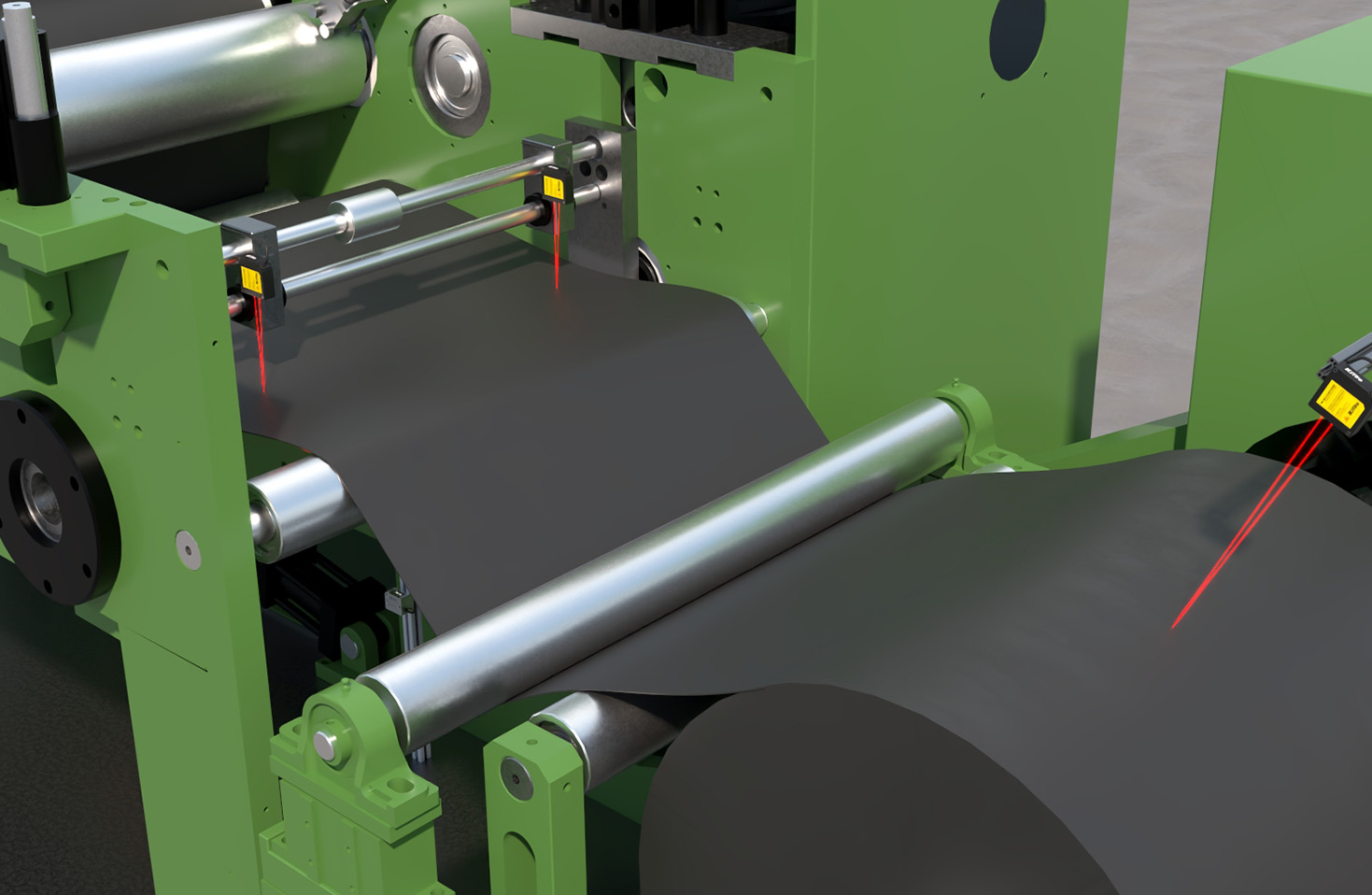
Operational parameters are equally important. The response time, environmental ratings (IP67/IP69K for water and dust resistance), operating voltage range, and temperature stability must align with the application's demands. For instance, in a refinery, a sensor might need to withstand high ambient temperatures and corrosive chemicals. Connectivity and compatibility with existing control systems (PLC, safety relays) are also practical concerns for integration.
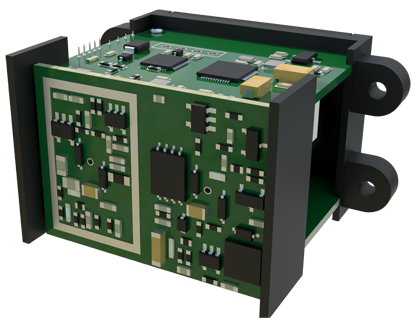
From a procurement perspective, choosing a supplier with reliable stock means assessing more than just a website's "in-stock" label. It involves verifying the distributor's reputation, their technical support capability, warranty terms, and the authenticity of the products to avoid counterfeit certifications—a serious safety risk. Some suppliers offer modular designs where base units and sensing heads are stocked separately, allowing for greater flexibility and faster configuration.
The benefits of opting for readily available laser explosion-proof sensors are significant. They reduce downtime in emergency replacements or new project installations, ensure compliance with safety regulations without delay, and provide a predictable cost structure by avoiding expedited shipping fees. However, the trade-off can sometimes be a limitation in highly customized specifications. For standard applications, the available models are often more than sufficient.
In conclusion, the market for laser explosion-proof sensors in ready stock is robust, catering to the urgent needs of hazardous industrial sectors. By prioritizing certified products from trusted suppliers and meticulously matching sensor specifications to the application's technical and environmental requirements, engineers can secure both safety and operational efficiency. Proactive maintenance strategies, including keeping critical spares on hand, further mitigate risks associated with sensor failure in explosive atmospheres.