In the rapidly evolving landscape of industrial automation, precision measurement is a cornerstone of quality control, process efficiency, and operational safety. Among the array of sophisticated sensing technologies available, XS Line Laser Sensors have emerged as a pivotal tool for engineers and system integrators. These sensors project a thin, highly visible laser line onto a target surface, and using advanced triangulation principles with a high-resolution CMOS or CCD receiver, they capture precise profile data. This capability transforms a simple line of light into rich, three-dimensional information about an object's height, width, position, and surface contours.
The operational principle is elegantly robust. The laser diode emits a fan-shaped beam, creating a straight line. When this line strikes an object, its deformation is captured by the receiver at a known angle. Sophisticated onboard processors analyze this deformation in real-time to calculate exact dimensional values. This non-contact method is ideal for measuring delicate, hot, fast-moving, or otherwise inaccessible targets where physical probes would fail or cause damage. Key performance specifications for XS Line Laser Sensors typically include high measurement resolution (often in the micron range), fast sampling rates exceeding thousands of profiles per second, and a significant measuring range adaptable to various working distances.
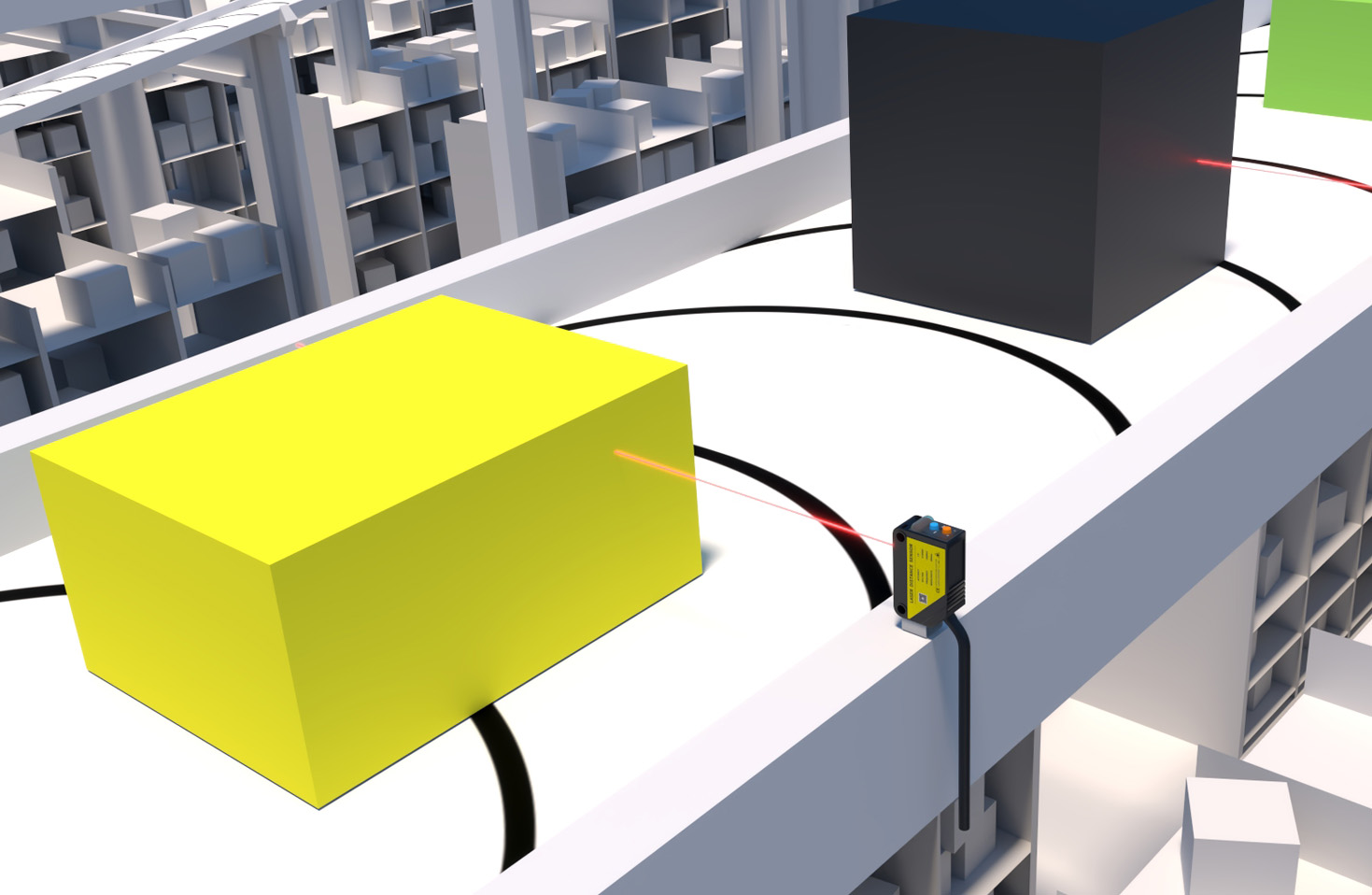
Applications for XS Line Laser Sensors are vast and transformative across multiple sectors. In automotive manufacturing, they are indispensable for gap and flush measurement on vehicle assemblies, ensuring door panels, hoods, and trunks meet stringent tolerances. In electronics, they verify the coplanarity of Ball Grid Array (BGA) solder balls and inspect component placement on PCBs. The packaging industry relies on them for fill-level detection, container shape inspection, and ensuring seal integrity. Furthermore, in logistics and warehousing, these sensors facilitate precise volume measurement for palletized goods, optimizing storage and shipping costs. Their ability to generate full profile data, rather than just single-point measurements, allows for the detection of complex defects like scratches, dents, or warping that other sensors might miss.
Selecting the appropriate XS Line Laser Sensor requires careful consideration of several technical parameters. The required measurement range and stand-off distance must align with the physical constraints of the application. The Z-axis resolution determines the smallest height difference detectable, while the X-axis resolution (or profile point spacing) defines the detail level across the line's length. Environmental factors are critical; models are available with robust IP67 or higher ingress protection ratings for harsh environments involving dust, moisture, or frequent washdowns. The choice of laser class (typically Class 2 or Class 2M, which are eye-safe under normal operating conditions) is also paramount for workplace safety. Integration is streamlined through various digital interfaces like Ethernet/IP, PROFINET, EtherCAT, or analog outputs, allowing seamless communication with PLCs, robots, and vision systems.
The future trajectory of XS Line Laser Sensor technology points toward even greater integration and intelligence. We are witnessing trends toward miniaturization of sensor heads, enhanced embedded processing capabilities for edge computing (allowing feature extraction directly on the sensor), and the fusion of laser line profiling with traditional 2D vision. Advanced software algorithms incorporating artificial intelligence and machine learning are beginning to enable more sophisticated pattern recognition and anomaly detection directly from the 3D profile data, moving beyond simple dimensional checks. This evolution promises to further simplify system architecture, reduce latency, and unlock new, more complex inspection and guidance tasks.
In conclusion, XS Line Laser Sensors represent a critical enabler for modern, data-driven manufacturing and automation. By delivering high-speed, high-accuracy, and non-contact 3D profile measurement, they provide the essential data needed to control processes, guarantee quality, and drive efficiencies. For engineers tasked with solving challenging measurement problems, understanding the capabilities and application nuances of these sensors is key to designing robust and future-proof automated systems. Their continued development will undoubtedly remain at the forefront of innovation in precision metrology and industrial sensing.