In the realm of industrial automation and control systems, proximity sensors are indispensable components for detecting the presence or absence of objects without physical contact. These devices enhance efficiency, safety, and reliability across various applications, from manufacturing assembly lines to robotic systems. This article provides a concise overview of the most commonly used proximity sensor types, their operating principles, and typical use cases.
Inductive proximity sensors are widely utilized for detecting metallic objects. They operate based on the principle of electromagnetic induction. The sensor generates an oscillating electromagnetic field from its coil. When a conductive metal target enters this field, eddy currents are induced within the target, causing a change in the oscillation amplitude. This change is detected by the sensor's circuitry, triggering an output signal. Inductive sensors are highly reliable, resistant to environmental factors like dust and moisture, and are ideal for detecting ferrous and non-ferrous metals in harsh industrial environments, such as in machine tools or automotive manufacturing.
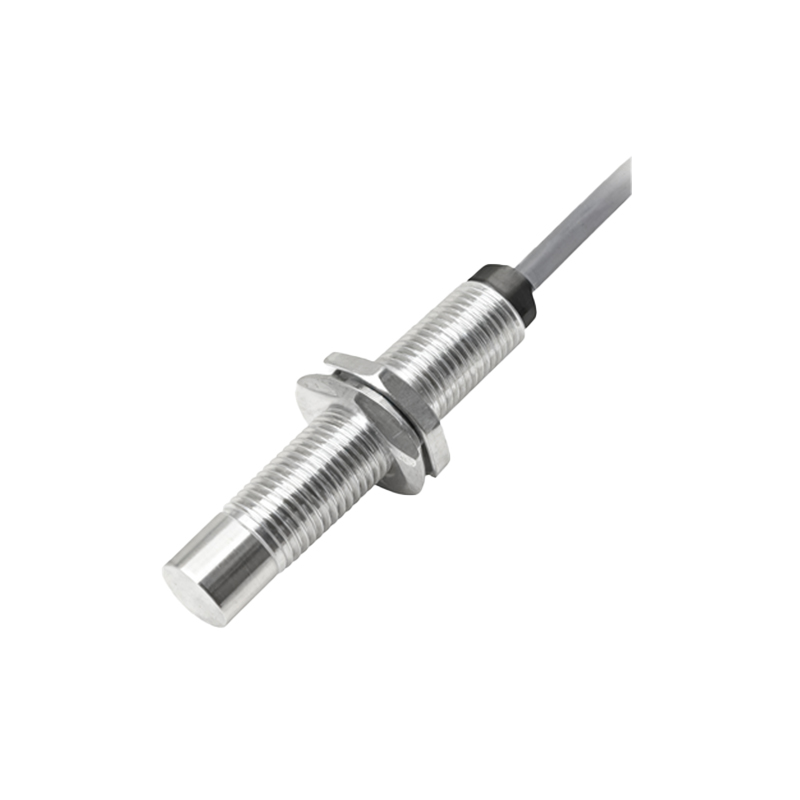
Capacitive proximity sensors, on the other hand, can detect both metallic and non-metallic materials, including liquids, plastics, glass, and wood. Their operation relies on changes in capacitance. The sensor forms one plate of a capacitor, with the target object acting as the other plate. As the target approaches, the capacitance between the sensor and the object increases. When this capacitance reaches a preset threshold, the sensor activates its output. These sensors are particularly useful in applications involving material level detection, such as in silos or tanks, and for sensing through non-metallic container walls.
Magnetic proximity sensors, often referred to as reed switches or Hall effect sensors, detect the presence of a magnetic field. Reed switches consist of two ferromagnetic reeds sealed within a glass tube. When an external magnet approaches, the reeds magnetize and attract each other, closing the electrical contact. Hall effect sensors generate a voltage difference (Hall voltage) when a magnetic field is applied perpendicular to current flow. Magnetic sensors are valued for their simplicity, low power consumption, and are commonly used in position sensing for cylinders, door and window security systems, and speed detection.
Ultrasonic proximity sensors use sound waves beyond the human hearing range (typically above 20 kHz) to detect objects. They emit ultrasonic pulses and measure the time taken for the echo to return after reflecting off a target. The distance to the object is calculated based on the speed of sound. These sensors can detect virtually any material, regardless of color or transparency, and are effective over longer ranges compared to inductive or capacitive types. Common applications include liquid level control, object detection on conveyor belts, and parking assistance systems.
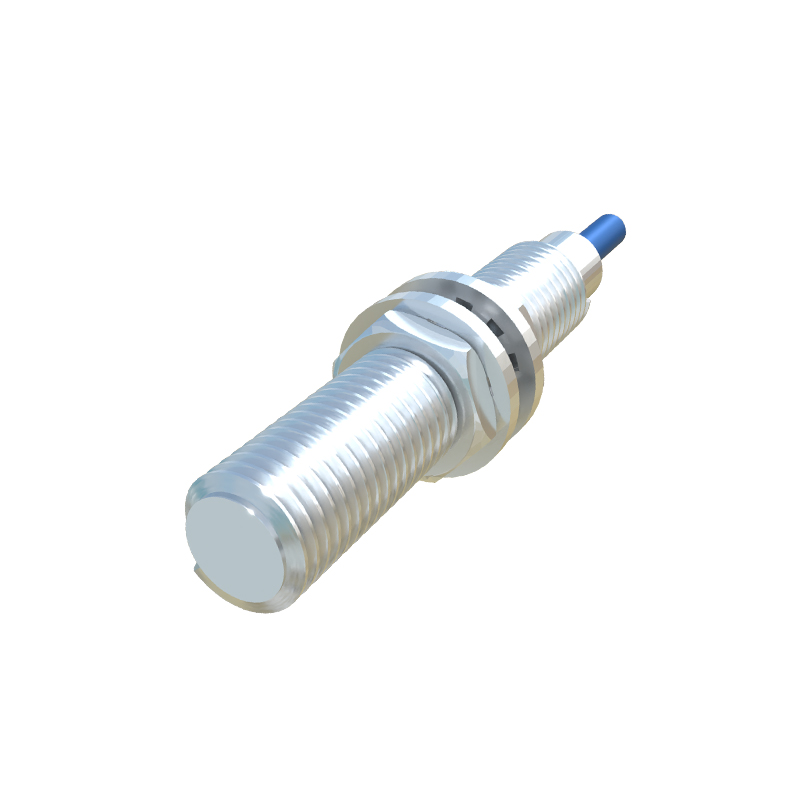
Photoelectric sensors, while sometimes categorized separately, function as proximity devices in many contexts. They consist of a light emitter (usually LED or laser) and a receiver. The presence of an object is detected by either interrupting the light beam (through-beam), reflecting light back to the receiver (retro-reflective), or diffusing light from the target (diffuse reflective). Photoelectric sensors offer long sensing ranges and high precision, making them suitable for detecting small objects, packaging verification, and cleanroom environments.
Each sensor type has distinct advantages and limitations. Selection depends on factors such as target material, required sensing distance, environmental conditions (temperature, contaminants), response time, and cost. For instance, inductive sensors excel with metals in dirty settings but cannot detect non-metallics. Capacitive sensors are versatile but can be influenced by humidity. Magnetic sensors are robust but require a magnet. Ultrasonic sensors handle varied materials and challenging conditions but may be affected by temperature variations and soft surfaces that absorb sound. Photoelectric sensors are precise but can be hampered by ambient light or dirty lenses.
In conclusion, understanding the fundamental characteristics of these common proximity sensors—inductive, capacitive, magnetic, ultrasonic, and photoelectric—enables engineers and technicians to make informed choices for optimal system performance. Their non-contact nature minimizes wear and tear, reduces maintenance needs, and supports the advancement of sophisticated, automated industrial processes. As technology evolves, innovations in miniaturization, connectivity (e.g., IO-Link), and smart sensing capabilities continue to expand the applications and effectiveness of these critical devices.