In the realm of industrial automation and precision measurement, laser positioning sensors are indispensable components. Their ability to provide non-contact, high-accuracy distance and position data makes them critical for applications ranging from robotics and assembly lines to quality control and logistics. However, like all sophisticated electronic devices, their operational lifespan is not infinite. Understanding the factors that influence longevity and implementing best practices for their use and maintenance are essential for maximizing return on investment and ensuring consistent system performance.
The lifespan of a laser positioning sensor is typically defined by its Mean Time Between Failures (MTBF), a statistical measure provided by manufacturers. It's crucial to understand that MTBF is an average under specific operating conditions, not a guaranteed expiration date. Actual service life can vary significantly based on the real-world environment and usage patterns. Several core factors directly impact this longevity.
First and foremost is the operating environment. Industrial settings often present harsh conditions that can drastically shorten a sensor's life. Excessive ambient temperature is a primary enemy. Operating a sensor consistently above its rated temperature specification accelerates the aging of internal electronic components, particularly the laser diode itself. Conversely, extremely low temperatures can affect performance and material integrity. Particulate contamination—dust, oil mist, metal shavings—can coat the sensor's lens, attenuating the emitted laser beam and reducing signal strength, forcing the internal circuitry to work harder and generating excess heat. Similarly, exposure to corrosive chemicals or high levels of humidity and condensation can lead to corrosion of external housings and, eventually, internal circuit boards.
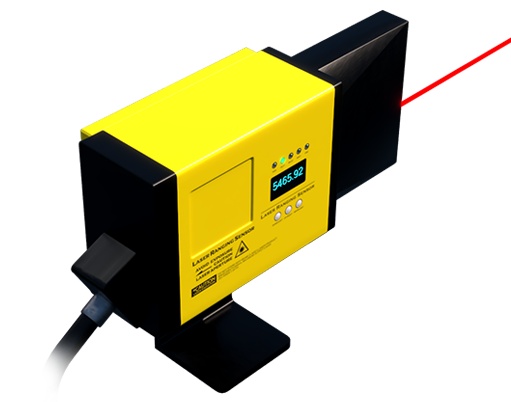
Electrical factors are equally critical. Voltage spikes, surges, or unstable power supplies are a leading cause of premature failure. Even minor but consistent overvoltage can stress power regulation circuits and the laser driver. Proper electrical installation, including the use of surge protectors, stable power sources, and correct wiring as per the manufacturer's manual, is non-negotiable. Another often-overlooked aspect is cyclic stress. Sensors subjected to constant vibration or mechanical shock experience fatigue in solder joints, connectors, and internal mounts. Ensuring the sensor is securely mounted on a stable surface using appropriate dampening materials when necessary can mitigate this risk.
The inherent quality and design of the sensor itself set the baseline for lifespan. Sensors from reputable manufacturers are built with higher-grade components, undergo rigorous testing, and feature robust designs that include protective measures like ingress protection (IP) ratings for dust and water, temperature management through heatsinking, and robust housing materials. Opting for a sensor with specifications that exceed the minimum requirements of your application (e.g., a higher IP rating or wider temperature range) is a proactive strategy for enhancing durability.
To maximize the operational lifespan of your laser positioning sensors, a proactive maintenance and operational regimen is essential. Begin with proper installation and commissioning. Follow the manufacturer's guidelines meticulously for mounting, alignment, electrical connections, and parameter configuration. Avoid pointing the sensor at highly reflective or absorbent surfaces for prolonged periods at maximum power, as this can cause unnecessary thermal load.
Implement a routine inspection and cleaning schedule. Periodically inspect the sensor's lens for contamination and clean it gently using approved materials (e.g., lens tissue and appropriate cleaner). Never use abrasive materials. Check cabling and connectors for signs of wear, damage, or looseness. Monitor the operating environment; if possible, use enclosures, air purges, or cooling systems to maintain temperature and cleanliness within recommended limits.
Operational practices also matter. Utilize the sensor within its specified measurement range and avoid continuous operation at its absolute performance limits. If the application allows, consider implementing a duty cycle that gives the sensor brief periods of rest, reducing cumulative thermal stress. Finally, keep detailed logs of sensor performance, environmental conditions, and any maintenance performed. This data is invaluable for predicting potential failures and planning replacements proactively, rather than reactively during a costly production stoppage.
In conclusion, the lifespan of a laser positioning sensor is a function of product quality, environmental stewardship, and diligent maintenance. By selecting the right sensor for the job, controlling the operating environment, ensuring stable electrical supply, and adhering to a preventive maintenance schedule, engineers and plant managers can significantly extend the service life of these critical devices. This approach not only reduces total cost of ownership but also upholds the precision and reliability that modern automated systems demand, ensuring seamless and efficient industrial operations for years to come.