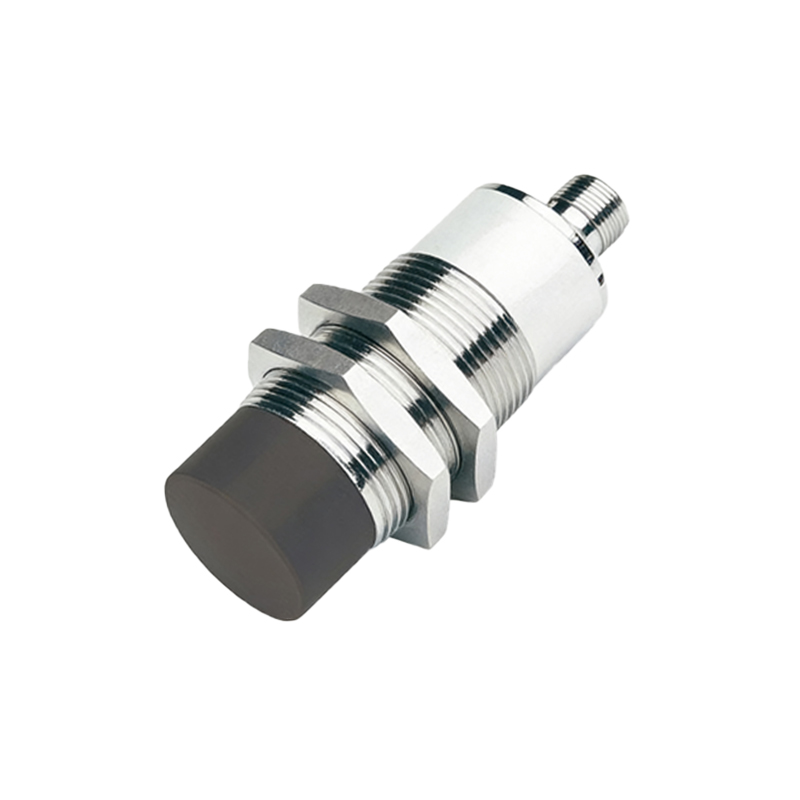
Eddy current sensors and proximity switches are fundamental components in modern industrial automation, offering non-contact measurement and detection capabilities that enhance precision, reliability, and efficiency. While both technologies serve to detect the presence or position of objects without physical contact, they operate on distinct principles and are suited to different applications. This article delves into their working mechanisms, key differences, advantages, and typical use cases in various industries.
Eddy current sensors function based on electromagnetic induction. A sensor coil supplied with an alternating current generates a high-frequency magnetic field. When a conductive target enters this field, eddy currents are induced on the target's surface. These currents create their own magnetic field, which opposes the original field, altering the coil's impedance. The sensor's electronics analyze this change in impedance to determine the target's position, distance, or presence. Notably, eddy current sensors are highly sensitive to conductive materials like metals (e.g., aluminum, copper, steel) and can perform precise measurements even in challenging environments—they are unaffected by dust, oil, moisture, or non-conductive contaminants. Common applications include vibration monitoring in turbines, thickness measurement in metal sheets, and precision gap detection in machining centers. Their high resolution and frequency response make them ideal for tasks requiring micron-level accuracy.
Proximity switches, often referred to as proximity sensors, encompass a broader category including inductive, capacitive, ultrasonic, and photoelectric types. Inductive proximity switches, the most comparable to eddy current sensors, also use electromagnetic principles but primarily detect the presence of ferrous metals. They typically consist of an oscillator circuit that creates an electromagnetic field. When a metal object enters the detection zone, it dampens the oscillations, triggering a switch signal. Unlike eddy current sensors, standard inductive proximity switches provide a simple on/off output rather than continuous measurement, and they are generally less precise but more cost-effective for basic detection tasks. They are widely used in assembly lines, robotics, and safety systems to count objects, control limits, or verify part placement. Capacitive proximity switches can detect both conductive and non-conductive materials (e.g., plastics, liquids), while photoelectric switches use light beams for detection over longer ranges.
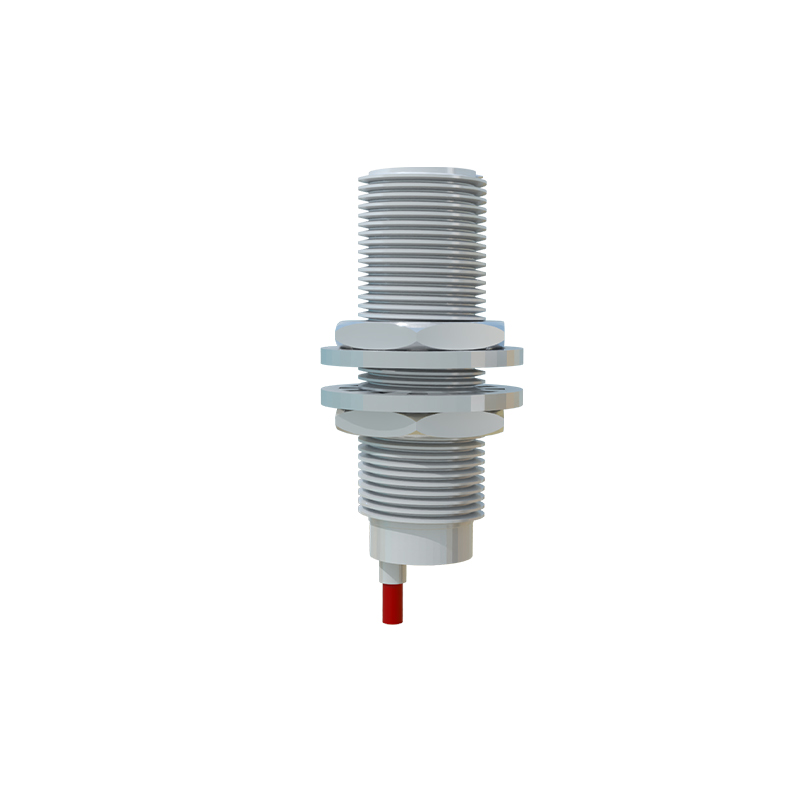
The choice between eddy current sensors and proximity switches hinges on specific requirements. Eddy current sensors excel in applications demanding high precision, such as monitoring runout in rotating machinery or measuring displacement in harsh conditions. Their ability to function in dirty or wet environments without degradation is a significant advantage. However, they are typically more expensive and limited to conductive targets. Proximity switches, particularly inductive ones, offer a robust, economical solution for presence detection of metals in automation systems. They are easier to install and integrate, with simpler output signals compatible with PLCs (Programmable Logic Controllers). For non-metallic objects, capacitive or photoelectric proximity switches are preferable.
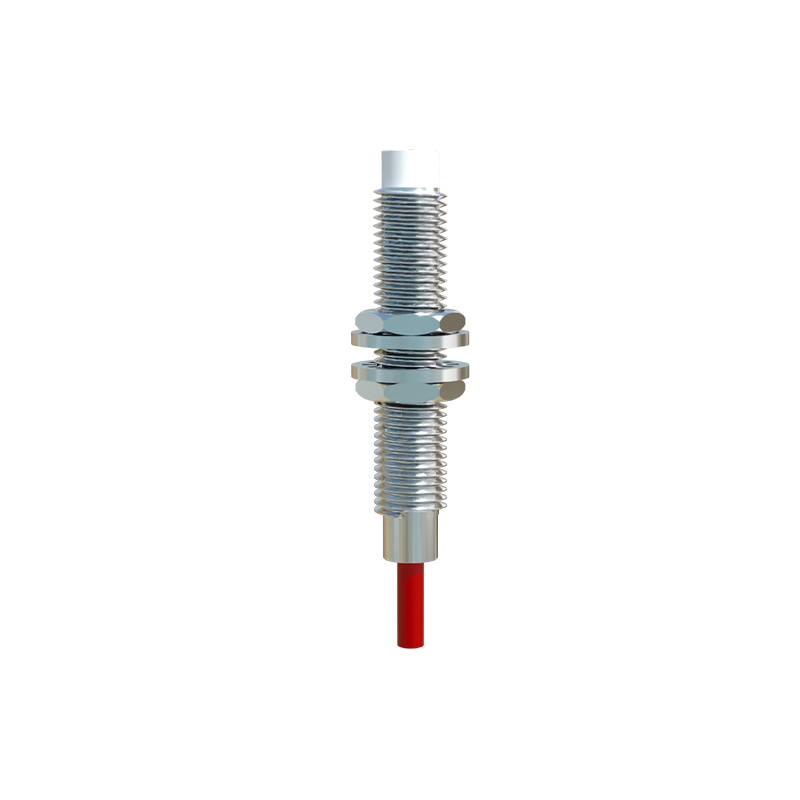
In practice, industries leverage these technologies to optimize operations. For instance, in automotive manufacturing, eddy current sensors ensure precise positioning of engine components, while proximity switches manage part sorting on conveyor belts. In aerospace, eddy current sensors monitor blade tip clearance in jet engines, critical for safety and performance. Meanwhile, packaging lines rely on proximity switches to detect containers and control filling processes. Understanding their distinct capabilities allows engineers to select the right sensor, balancing factors like accuracy, environmental resilience, target material, and budget.
Maintenance and calibration are also considerations. Eddy current sensors may require periodic calibration to maintain accuracy, especially in high-precision setups. Proximity switches, being more robust, often need minimal upkeep but should be checked for alignment and contamination. Advances in both fields include miniaturization, enhanced digital interfaces (e.g., IO-Link), and improved temperature stability, broadening their applicability in smart factories and IoT (Internet of Things) ecosystems.
Ultimately, eddy current sensors and proximity switches are complementary tools in industrial sensing. By grasping their principles and applications, professionals can enhance system reliability, reduce downtime, and drive innovation in automation. As technology evolves, these sensors will continue to play a pivotal role in enabling smarter, more responsive manufacturing environments.