In the evolving landscape of industrial automation and smart systems, sensing technology forms the critical bridge between the physical and digital worlds. Among the diverse array of sensors, ultracapacitive proximity sensors represent a sophisticated and highly capable solution for non-contact detection. Unlike traditional capacitive sensors that rely on standard dielectric materials, ultracapacitive sensors utilize advanced materials and electrode geometries to achieve exceptional sensitivity, range, and stability. This article delves into the core principles, distinctive advantages, and burgeoning applications of this technology within the electrical and automation industries.
Fundamentally, an ultracapacitive proximity sensor operates on the same basic principle as a conventional capacitive sensor: it detects changes in capacitance. A sensor electrode generates an electrostatic field. When a target object enters this field, it alters the dielectric properties or the conductive coupling, leading to a measurable change in capacitance. This change is processed by the sensor's integrated electronics to trigger an output signal. The key differentiator lies in the "ultra" prefix. Ultracapacitive sensors employ specialized, high-permittivity materials and often multi-layer or fractal-like electrode designs. This engineering focus dramatically increases the base capacitance and the sensitivity to minute disturbances in the field. Consequently, these sensors can detect objects at greater distances, through thicker non-conductive barriers, or with higher precision regarding material composition and position.
The performance benefits of ultracapacitive technology are substantial. First is extended sensing range. For detecting non-metallic materials like plastics, wood, glass, or liquids, ultracapacitive sensors often offer ranges several times greater than standard capacitive models. Second is enhanced stability and noise immunity. The robust signal strength makes them less susceptible to interference from environmental factors such as humidity, temperature fluctuations, or electrical noise common in industrial settings. Third is material versatility. They excel at detecting a vast spectrum of materials, including low-density foams, thin films, and granular substances, which challenge other sensing modalities. Finally, their ability to sense through non-conductive walls enables innovative packaging solutions, allowing the sensitive electronics to be completely sealed and protected from harsh environments like washdown areas in food processing or chemical plants.
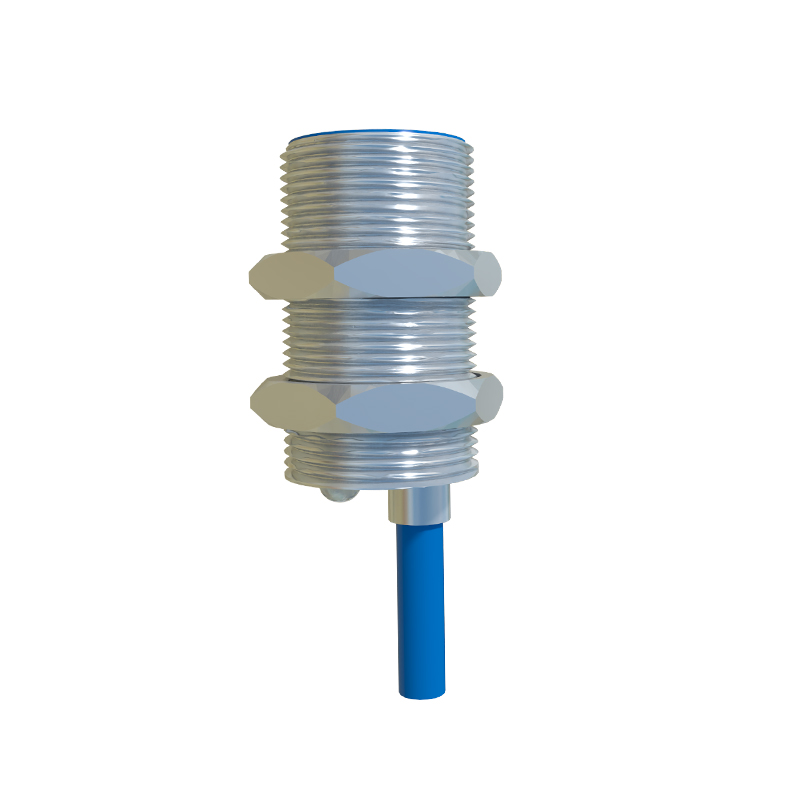
The applications for ultracapacitive proximity sensors are rapidly expanding across sectors. In packaging and material handling, they reliably detect the presence of cardboard boxes, plastic bottles, or film layers on production lines, ensuring proper fill levels and preventing jams. In the automotive industry, they are used for precise fluid level sensing in reservoirs (e.g., brake fluid, washer fluid) through opaque plastic containers, and for detecting composite material placement in assembly processes. Woodworking and furniture manufacturing benefit from their ability to sense raw wood, particle boards, and veneers without physical contact. Furthermore, in agricultural and food processing, these sensors can monitor grain levels in silos or detect product presence in stainless steel vats, all while maintaining strict hygiene standards with their sealed housings.
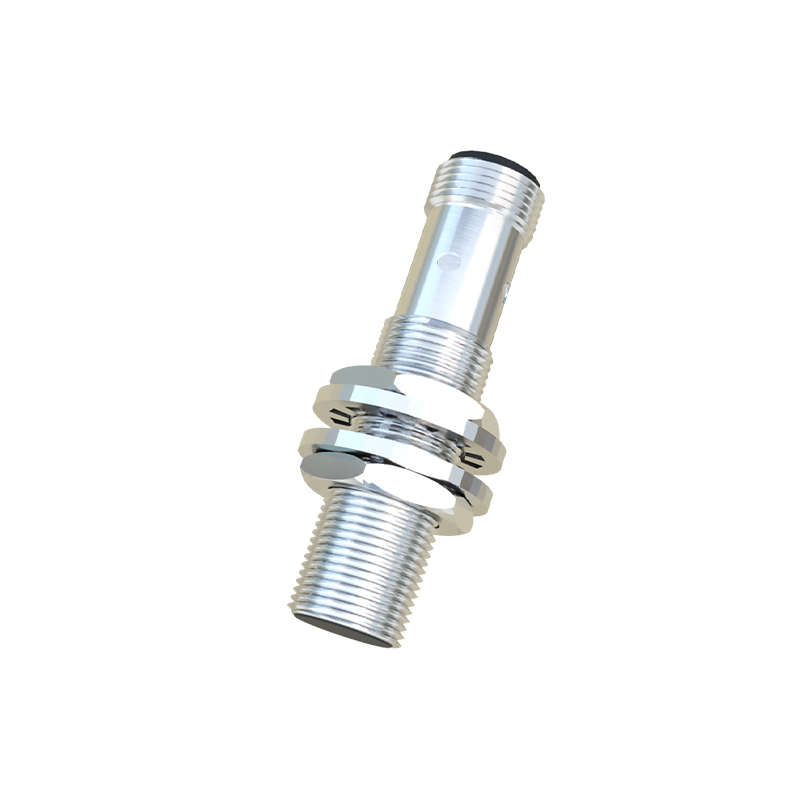
Looking forward, the integration of ultracapacitive sensors with Industrial Internet of Things (IIoT) platforms is a clear trend. Modern sensors come equipped with digital interfaces (IO-Link, etc.), providing not just a binary on/off signal but rich diagnostic data such as signal strength, temperature, and operating hours. This facilitates predictive maintenance, where a gradual decline in signal quality can indicate sensor fouling or impending failure, allowing for scheduling maintenance before a line stoppage occurs. Advancements in electrode miniaturization and ASIC (Application-Specific Integrated Circuit) design are also making these sensors more compact, energy-efficient, and cost-effective, opening doors to new applications in consumer electronics and medical devices.
In conclusion, ultracapacitive proximity sensors are not merely an incremental improvement but a significant leap in non-contact detection technology. By leveraging advanced materials science and electronic design, they solve complex sensing challenges that were previously difficult or impossible. For electrical engineers and system integrators designing the next generation of automated systems, understanding and specifying ultracapacitive sensors is crucial for achieving higher levels of reliability, flexibility, and intelligence in machine design and industrial processes. Their role in enabling smarter, more adaptive factories and products will undoubtedly continue to grow.