In the realm of industrial automation and machinery, proximity sensors are indispensable components for non-contact detection, ensuring precision, reliability, and safety. Among the diverse range of sensors available, the 12 Proximity Sensor 2C stands out as a robust and versatile solution for demanding environments. This article delves into the technical specifications, operational principles, typical applications, and key considerations for integrating the 12 Proximity Sensor 2C into modern industrial systems.
The "12" in the designation typically refers to the sensor's nominal operating voltage, commonly 12V DC, which is a standard in many control circuits. The "2C" often denotes a specific series, configuration, or output type—frequently indicating a two-wire configuration or a particular switching characteristic. Proximity sensors of this class are predominantly inductive, designed to detect metallic objects without physical contact. They generate an electromagnetic field; when a metallic target enters this field, it causes a change in oscillation, which the sensor's circuitry detects and converts into a switching signal.
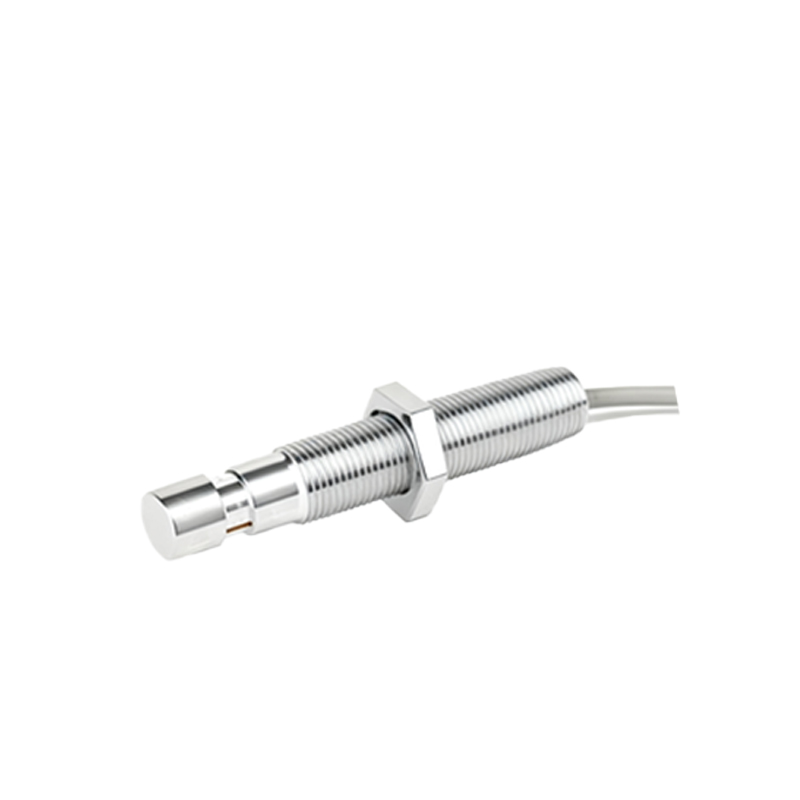
Key technical parameters define the performance of the 12 Proximity Sensor 2C. The sensing range, usually specified in millimeters, is critical for application design. For instance, a common range might be 2mm, 4mm, or 8mm, depending on the model. The housing material, often constructed from nickel-plated brass, stainless steel, or PBT plastic, determines its resistance to environmental factors like coolant, oil, and metal chips. The protection rating, typically IP67 or higher, signifies its durability against dust ingress and temporary immersion in water, making it suitable for harsh workshop conditions. The output is usually a digital signal (ON/OFF). In a two-wire DC sensor (2-wire), the same two wires are used for both power supply and load switching, simplifying installation by connecting in series with the load. The switching frequency, measured in Hertz, indicates how quickly the sensor can respond to targets passing by, a vital factor for high-speed counting or positioning tasks.
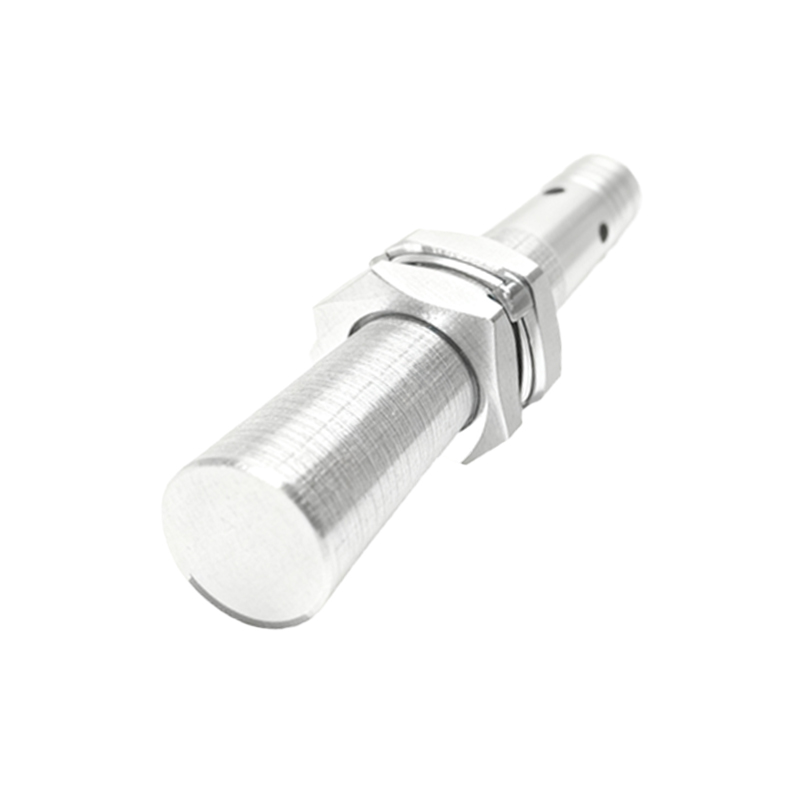
Operational reliability is paramount. These sensors exhibit excellent repeat accuracy, meaning they consistently detect a target at the same position. They are largely immune to ambient light, dust, and non-metallic debris, unlike optical sensors. However, their performance can be influenced by the target material. Ferrous metals like steel and iron are detected at the nominal sensing range, while non-ferrous metals like aluminum, brass, or copper have a reduced effective range, often requiring calibration or a correction factor. The sensor must also be installed with care, ensuring that surrounding metal (the mounting bracket or machine frame) does not interfere with its electromagnetic field, a phenomenon known as flanking or shielding effect.
The applications for the 12 Proximity Sensor 2C are vast across manufacturing and processing industries. They are extensively used for position sensing—verifying if a cylinder piston is fully extended or retracted, or if a robotic arm has reached a home position. In conveyor systems, they serve as object presence detectors for counting parts, initiating processes, or sorting items. They also function as end-of-travel limit switches in automated guided vehicles (AGVs) and machine tools, providing critical safety interlocks. In packaging machinery, they ensure precise placement of products. Their rugged build allows them to thrive in challenging settings like welding lines, stamping presses, and metal cutting machines.
When selecting and installing a 12 Proximity Sensor 2C, engineers must consider several factors. First, ensure the voltage supply matches the sensor's requirements (e.g., 10-30V DC). For two-wire sensors, attention must be paid to the residual current or leakage current when in the "OFF" state, as this small current might be sufficient to weakly energize a highly sensitive load like a PLC input module, potentially causing malfunction. Using a bleeder resistor in parallel with the load can mitigate this. Secondly, the load current must not exceed the sensor's maximum switching capacity. Thirdly, consider the temperature operating range to ensure performance stability. Finally, proper wiring following the manufacturer's datasheet—typically brown wire to positive (+), blue wire to negative (-)—is essential. Regular maintenance involves checking for physical damage, buildup of metallic swarf on the sensing face, and verifying signal integrity.
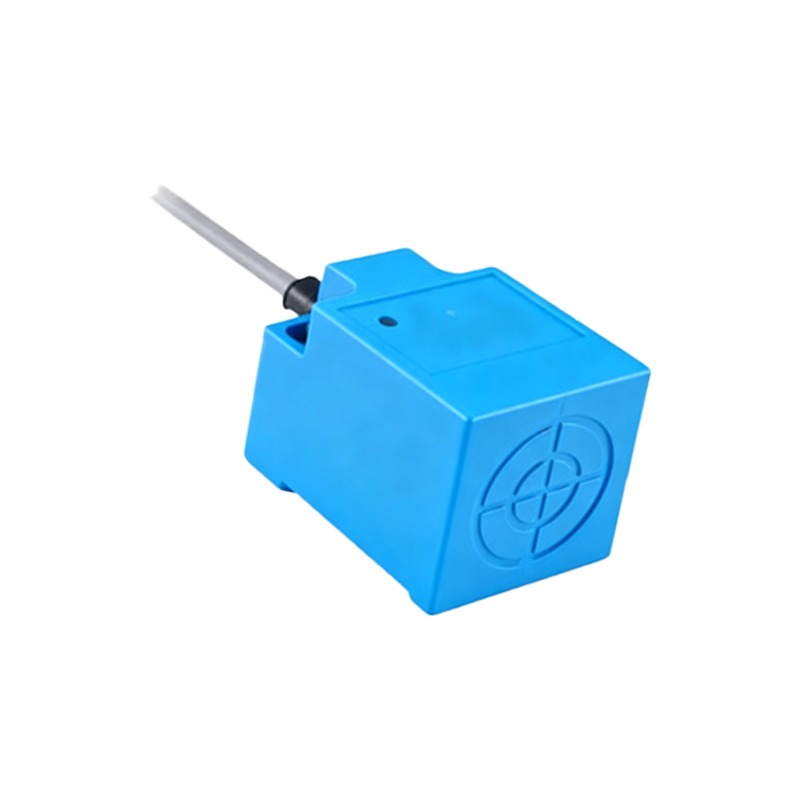
In conclusion, the 12 Proximity Sensor 2C represents a mature, reliable technology that forms the backbone of countless detection tasks in industrial automation. Its simplicity, durability, and non-contact operation make it a preferred choice for engineers. By thoroughly understanding its specifications, operating environment, and integration nuances, professionals can leverage this sensor to enhance system efficiency, improve safety, and achieve higher levels of automation precision. As Industry 4.0 and smart manufacturing evolve, such fundamental components continue to play a critical role in the interconnected