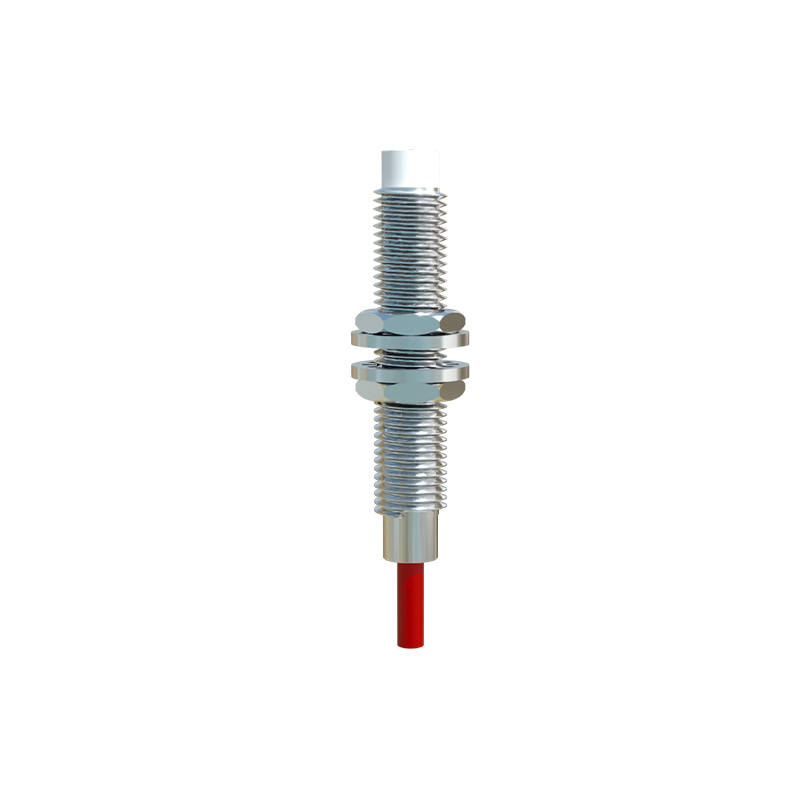
In the realm of industrial automation and control systems, proximity sensors play a pivotal role in enabling non-contact detection of metallic objects. Among the leading manufacturers, Rexroth, a Bosch company, has established a strong reputation for producing high-performance inductive proximity sensors. These devices are fundamental components in countless applications, from machine tools and packaging machinery to material handling and automotive assembly lines. This article delves into the operating principles, key features, selection criteria, and typical applications of Rexroth inductive proximity sensors, providing a comprehensive overview for engineers and technicians.
The core technology behind Rexroth inductive proximity sensors is based on the principle of electromagnetic induction. The sensor contains an oscillator circuit that generates a high-frequency electromagnetic field at its active face. When a metallic object enters this field, eddy currents are induced within the object. These eddy currents draw energy from the oscillator, causing a change in its amplitude. This change is detected by a threshold circuit, which subsequently triggers a switching signal in the sensor's output stage. The key advantage of this principle is that it allows for detection without any physical contact, thereby eliminating mechanical wear and enabling high-speed operation and long service life.
Rexroth designs its inductive sensors to meet the rigorous demands of industrial environments. A standout feature is their robust construction, often featuring stainless steel or nickel-plated brass housings that provide excellent resistance to mechanical impacts, vibrations, and harsh chemicals. Many models conform to high Ingress Protection (IP) ratings, such as IP67 and IP69K, ensuring reliable operation even when exposed to dust, oils, coolants, or high-pressure washdowns. Furthermore, Rexroth sensors are engineered for electrical robustness. They typically incorporate protection against short-circuits, overload, reverse polarity, and electromagnetic interference (EMI), which is crucial for maintaining system stability in electrically noisy plant environments.
When selecting a Rexroth inductive proximity sensor, several technical parameters must be considered. The sensing distance, or switching distance, is a primary specification. Rexroth offers a wide range with standardized sensing distances (e.g., 2mm, 5mm, 8mm, 15mm) to suit different application needs. It is important to note the difference between the nominal sensing distance (Sn) and the effective or real operating distance, which can be influenced by the target material's properties. For instance, steel typically provides the full nominal sensing distance, while metals like aluminum or brass have reduction factors, resulting in a shorter effective range. The sensor's housing shape is another critical choice. Cylindrical (threaded barrel) designs are common for easy mounting, while rectangular or block-style sensors offer alternative mounting options for space-constrained installations. Output configuration is also vital; options include DC PNP (sourcing), DC NPN (sinking), or AC/DC versions, with both normally open (NO) and normally closed (NC) contact logic. Engineers must match this output type with the input requirements of the connected controller (PLC). Additional features like LED status indicators for diagnostic purposes, teach-in functionality for adjustable sensing ranges, and weld-field immunity for use near resistance welding equipment are available in specific Rexroth series, adding value for specialized applications.
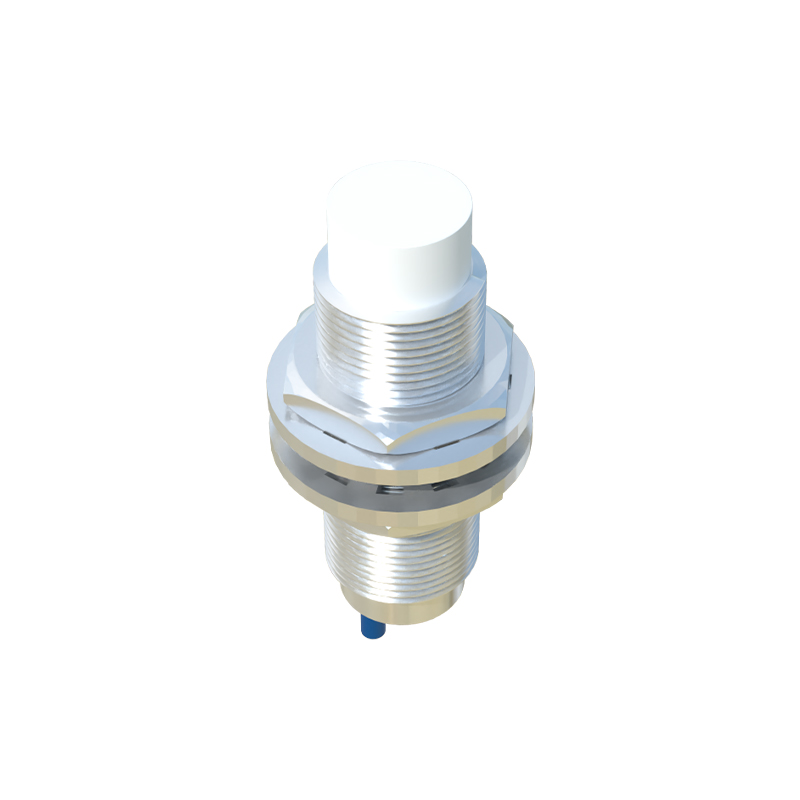
The application spectrum for Rexroth inductive proximity sensors is vast. In machine tools, they are indispensable for tool presence detection, monitoring spindle position, and verifying workpiece clamping. On automated assembly lines, they detect the presence or absence of components, count parts, and control the indexing of pallets or conveyors. In material handling systems, these sensors monitor the position of lifts, slides, and grippers, ensuring precise movement. A particularly demanding application is in the automotive industry, where sensors with high temperature ratings and exceptional resistance to welding spatter are used in body-in-white shops to position robotic welding arms accurately. Their reliability also makes them ideal for safety-related functions, such as confirming that a safety guard is in place before machine cycle initiation.
In conclusion, Rexroth inductive proximity sensors represent a blend of robust German engineering and practical innovation. Their reliable non-contact detection, coupled with durability in challenging conditions, makes them a trusted choice for enhancing productivity, precision, and safety in automated systems. For any project requiring dependable metallic object detection, a thorough evaluation of Rexroth's comprehensive sensor portfolio is a prudent engineering step. Proper selection, based on a clear understanding of the operating environment and technical requirements, ensures optimal performance and contributes to the overall efficiency and uptime of modern industrial machinery.