Proximity sensors are indispensable components in modern industrial automation, offering non-contact detection of metallic and non-metallic objects. Their pricing and visual characteristics vary significantly based on technology, housing, and performance specifications. This guide provides a detailed overview of common proximity sensor types, their typical price ranges, and key visual identifiers to aid in selection and procurement.
Inductive proximity sensors, designed to detect metallic objects, are among the most cost-effective options. Basic shielded tubular models (e.g., M12 or M18 threaded barrels) typically range from $20 to $60 USD per unit. Prices increase for models with extended sensing ranges, high-temperature resistance, or specialized outputs like analog or IO-Link. Unshielded variants are slightly cheaper but offer reduced interference immunity. Visually, these sensors often feature metallic sensing faces and nickel-plated brass or stainless-steel housings, with LED indicators for operational status.
Capacitive proximity sensors, capable of detecting both metallic and non-metallic materials (liquids, plastics, wood), generally command a higher price point, ranging from $40 to $100 USD. Their cost is influenced by factors like material composition detection sensitivity and housing design for harsh environments. Externally, they resemble inductive sensors but may have larger sensing faces or plastic housings to optimize capacitive field generation.
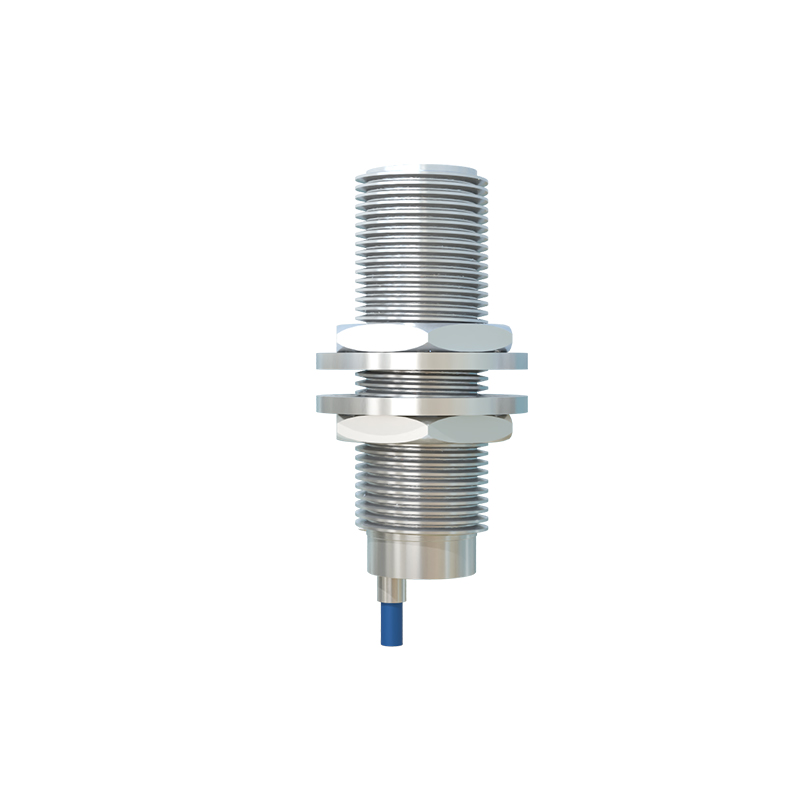
Magnetic proximity sensors (reed or Hall-effect types) are typically the most economical, with simple reed switch models available for under $15 USD. They are used for detecting permanent magnets, often in cylinder position sensing. These are usually small, rectangular or cylindrical plastic devices. Ultrasonic and photoelectric sensors, while sometimes categorized under proximity sensing, are premium products with prices starting from $80 and exceeding $200, featuring complex housings with emitter/receiver windows.
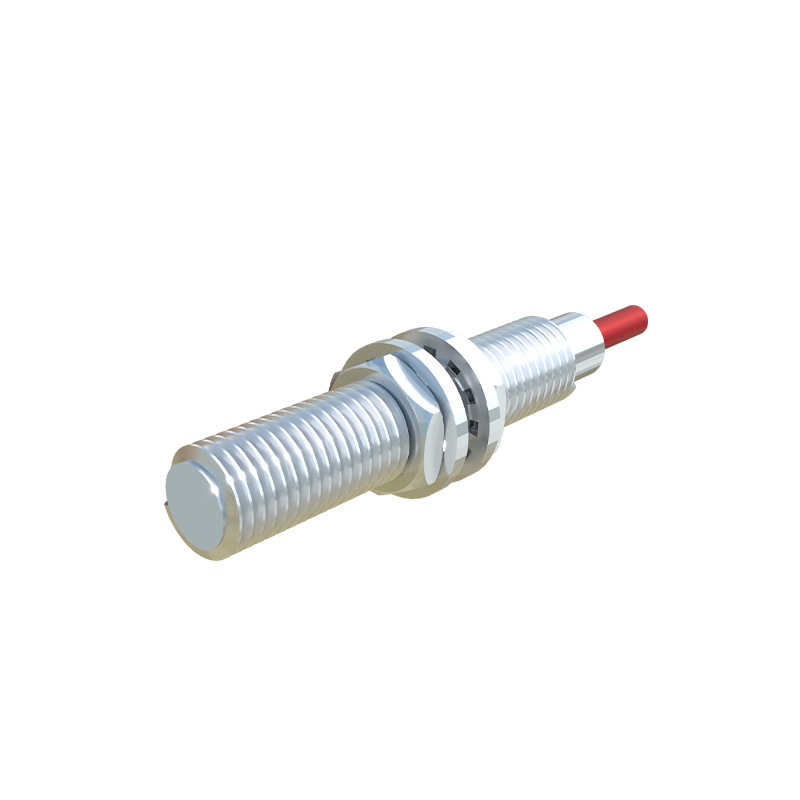
Key factors affecting price include: sensing distance (longer range increases cost), housing material (stainless steel vs. PBT plastic), output type (PNP/NPN/analog), connection method (pre-wired vs. quick-disconnect), and international certifications (ATEX, IEC). For example, a standard M18 inductive sensor with a 8mm range may cost $30, while an identical form-factor with a 15mm range could be $50.
Regarding images, it is crucial to examine product photos for physical attributes. Look for the sensing face design, housing shape and material, connector type (e.g., M12 4-pin), LED placement, and any labeling indicating IP rating (IP67, IP69K) or output symbols. Dimensional drawings in datasheets are vital for mechanical integration. Always cross-reference part numbers from manufacturers like Omron, Sick, Pepperl+Fuchs, or Balluff, as prices can vary 20-30% between brands for similar specifications.
In procurement, consider total cost of ownership. A cheaper sensor may lack durability, leading to frequent replacement. Evaluate the operating environment—factors like washdown conditions may necessitate a more expensive stainless-steel housing. Bulk purchases (OEM quantities) often reduce unit cost by 15-25%.
In summary, proximity sensor pricing is a direct reflection of their technological sophistication and robustness. Inductive sensors offer the best value for metal detection, while capacitive sensors provide versatility at a moderate cost. Always analyze product images and technical datasheets alongside price to ensure the selected sensor meets the application's electrical, mechanical, and environmental demands.