Proximity sensors are indispensable components in modern industrial automation, serving as the eyes of machinery by detecting the presence or absence of objects without physical contact. These sensors operate based on various principles, including inductive, capacitive, ultrasonic, and magnetic technologies, each tailored to specific applications. Their primary role is to enhance safety, precision, and efficiency in manufacturing and processing environments.
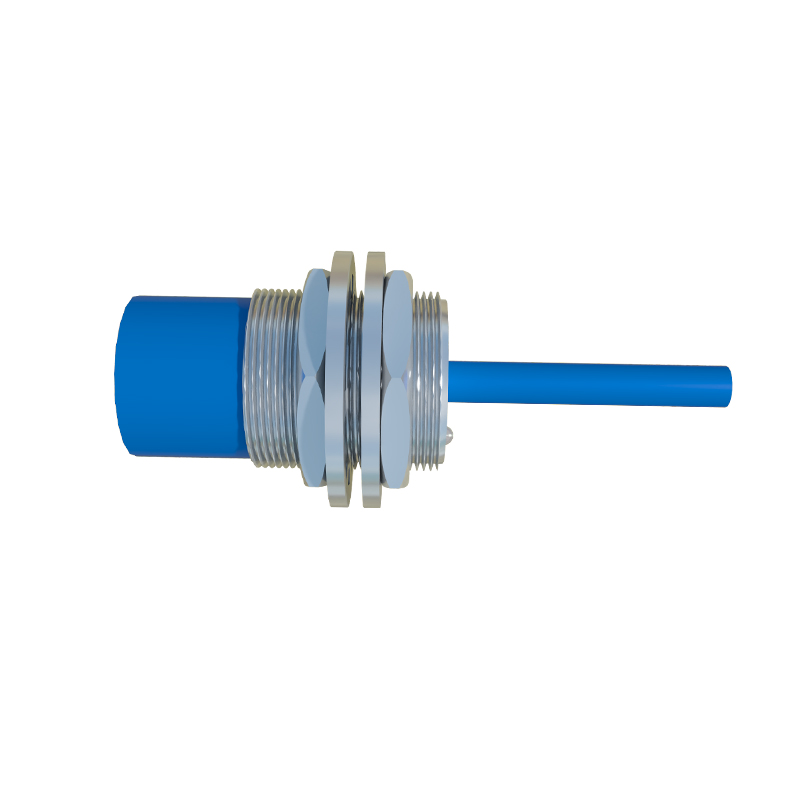
One of the core functions of proximity sensors is object detection and positioning. In assembly lines, they accurately identify components, ensuring proper alignment and placement. For instance, inductive sensors detect metallic objects, while capacitive sensors respond to non-metallic materials like plastics or liquids. This capability minimizes errors and reduces waste, contributing to higher product quality.
Safety is another critical area where proximity sensors excel. They are integrated into machinery guards and hazardous zones to prevent accidents. By detecting human presence or unauthorized access, these sensors trigger emergency stops or alarms, protecting workers from injuries. In robotic systems, proximity sensors enable collision avoidance, allowing robots to operate safely alongside humans in collaborative environments.
Process control and automation heavily rely on proximity sensors for monitoring and feedback. In conveyor systems, sensors track the movement of items, controlling speed and sequencing to optimize workflow. They also monitor fluid levels in tanks or detect fill levels in packaging, ensuring consistent operations without manual intervention. This real-time data collection supports predictive maintenance, as sensors can identify wear or misalignment before failures occur, reducing downtime.
Energy efficiency is enhanced through the use of proximity sensors. By activating equipment only when needed—such as turning on lights when motion is detected or starting motors when objects approach—these sensors conserve power and reduce operational costs. In smart factories, they contribute to the Internet of Things (IoT) ecosystem, enabling data-driven decisions for sustainable production.
Durability and reliability are key advantages of proximity sensors. Designed to withstand harsh industrial conditions like extreme temperatures, dust, and moisture, they ensure long-term performance with minimal maintenance. Their non-contact nature eliminates mechanical wear, extending lifespan and reducing replacement frequency.
In summary, proximity sensors play a multifaceted role in industrial automation, from improving accuracy and safety to boosting efficiency and sustainability. As technology advances, their integration with AI and IoT promises even smarter and more adaptive systems, driving the future of manufacturing forward.