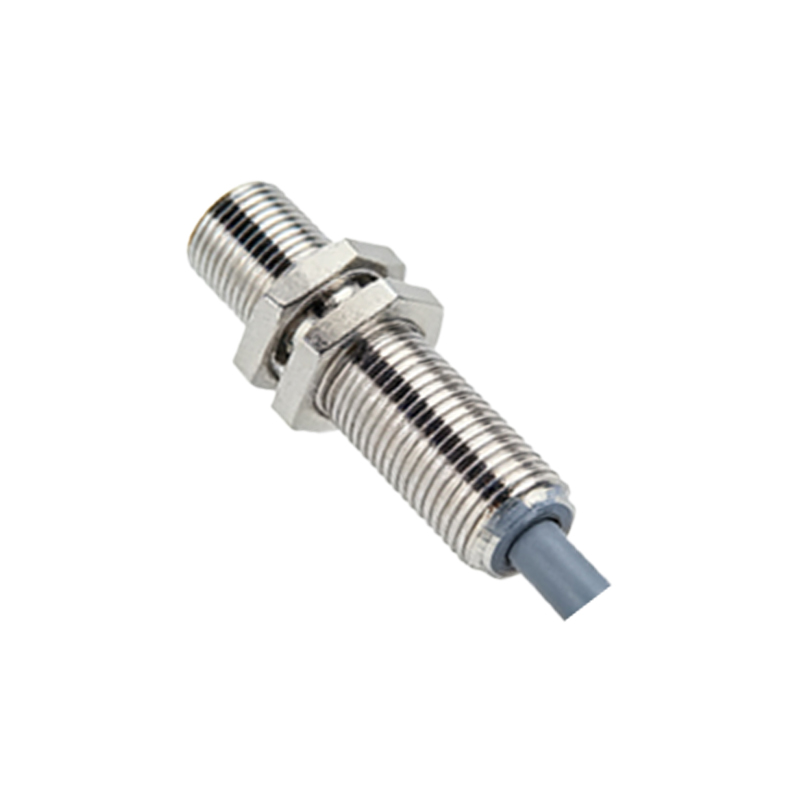
In the realm of industrial automation and precision measurement, proximity and eddy current sensors stand as critical components for non-contact detection and measurement. These sensors operate on distinct physical principles, primarily electromagnetic induction, to detect the presence, absence, or position of metallic objects without physical contact. This article delves into their working methodologies, key advantages, typical applications, and essential factors for selection.
The fundamental principle behind an eddy current sensor involves electromagnetic induction. The sensor contains a coil energized by a high-frequency alternating current. This current generates an alternating magnetic field around the coil. When a conductive target, typically a metal, enters this field, it induces circulating currents known as eddy currents within the target material. These eddy currents, in turn, generate their own magnetic field, which opposes the original field from the coil. This interaction alters the impedance of the sensor's coil. The sensor's electronics measure this change in impedance, which correlates directly to the distance between the sensor and the target. This allows for precise measurement of displacement, position, or vibration.
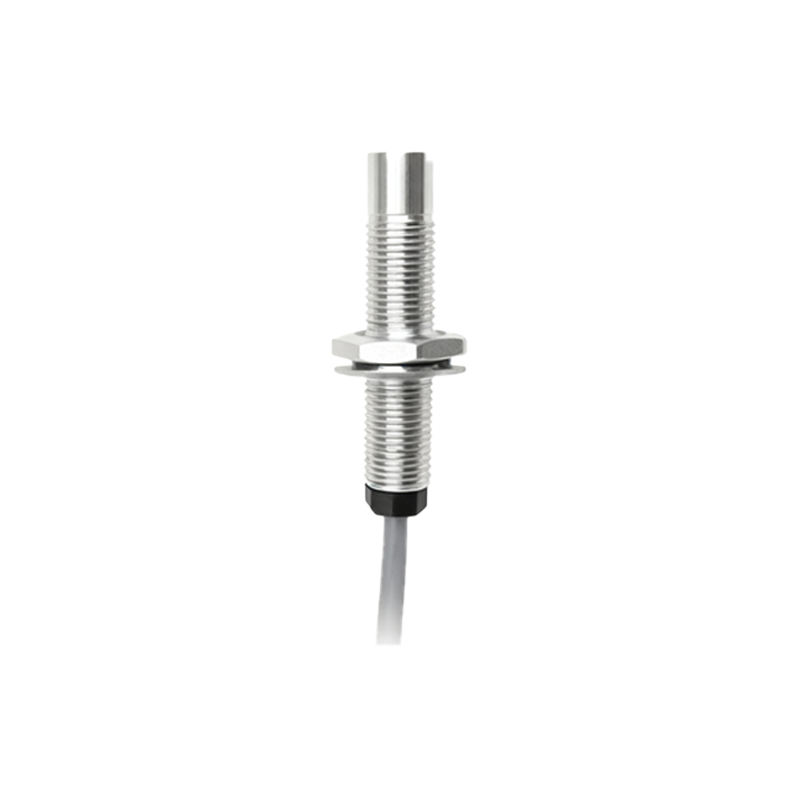
Proximity sensors, often a broader category, can include eddy current types but also encompass inductive, capacitive, and photoelectric variants. For metallic target detection, inductive proximity sensors are most common. They function similarly, using a coil and oscillator circuit. The presence of a metallic object dampens the oscillation amplitude, triggering a switch signal. However, true eddy current sensors are typically analog devices providing a continuous output proportional to distance, whereas many inductive proximity sensors are digital switches with a simple on/off output.
The advantages of these non-contact sensing methods are numerous. The absence of mechanical wear ensures exceptional long-term reliability and a virtually infinite operational life. They are capable of high-speed response, detecting objects or changes at kHz frequencies, making them suitable for high-speed production lines. Their performance is generally unaffected by environmental factors like dirt, oil, or non-conductive contaminants, ensuring stable operation in harsh industrial settings. Furthermore, they offer high resolution and repeatability for precise measurement tasks, such as monitoring runout or vibration in rotating machinery.
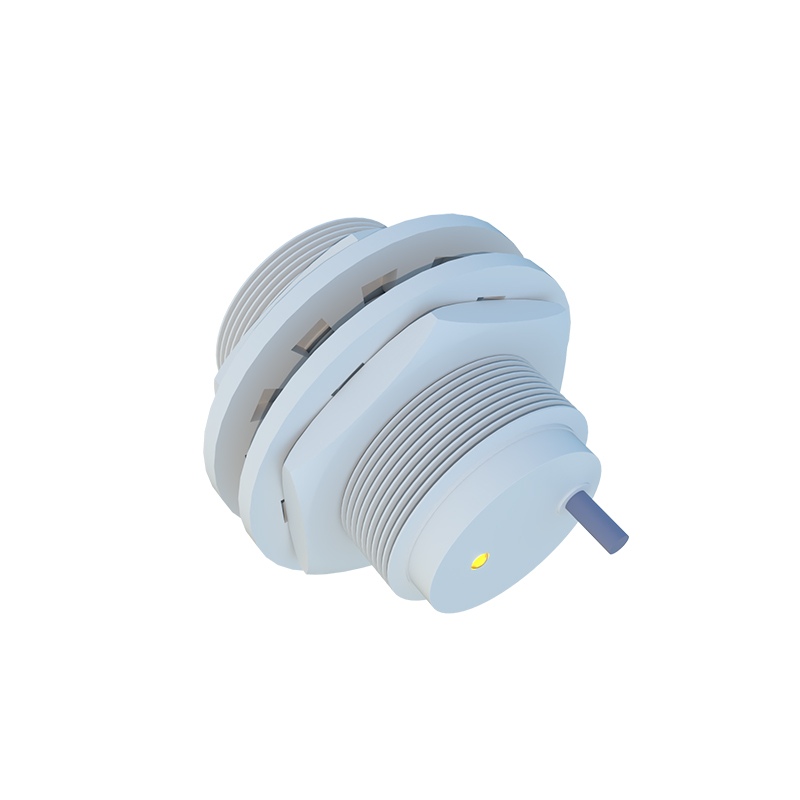
Applications for proximity and eddy current sensors are vast across industries. In manufacturing, they are used for part presence verification, counting, and end-of-travel detection on automated lines. In the automotive sector, they monitor crankshaft position, camshaft timing, and throttle valve angle. Within aerospace and power generation, they are indispensable for monitoring turbine blade tip clearance, shaft vibration, and axial position in turbomachinery—critical for safety and efficiency. They also play a vital role in metal detection, sorting systems, and precision machining for thickness measurement.
Selecting the appropriate sensor requires careful consideration of several parameters. First, the target material is paramount; standard inductive sensors work best with ferrous metals like steel, while eddy current sensors can also effectively detect non-ferrous metals like aluminum or copper, albeit with different sensitivity. The required sensing range must be specified, noting that the nominal sensing distance can be reduced for non-standard target materials or sizes. The output type is crucial: a digital switch (PNP/NPN) for detection tasks or an analog output (0-10V, 4-20mA) for measurement. Environmental conditions such as temperature extremes, pressure, or exposure to chemicals will dictate the required housing material (e.g., stainless steel) and ingress protection (IP) rating. Finally, factors like response frequency, mounting constraints, and electrical connection type must align with the application's demands.
In conclusion, proximity and eddy current sensors are versatile, robust solutions for modern industrial sensing challenges. Understanding their underlying principles, strengths, and limitations is key to deploying them effectively. By meticulously matching sensor specifications—target material, range, output, and environmental robustness—to the application requirements, engineers can ensure optimal system performance, enhanced reliability, and improved operational safety across countless automated processes.