In the competitive landscape of industrial automation, the 24V proximity sensor stands as a fundamental component, crucial for countless applications from machine guarding to object detection. For procurement specialists, project engineers, and business owners, understanding the factors that determine the factory price of these sensors is essential for making informed purchasing decisions and optimizing project budgets. The quoted factory price is not a random figure but a reflection of a complex interplay of technical specifications, manufacturing costs, market dynamics, and value-added features.
At its core, the base price of a 24V proximity sensor is heavily influenced by its underlying sensing technology. Inductive sensors, designed for detecting metallic objects, are generally the most cost-effective option for standard metal detection tasks. Their pricing scales with performance factors like sensing range and housing material. Capacitive sensors, capable of detecting both metallic and non-metallic materials, often command a higher factory price due to their more complex internal circuitry and calibration requirements. Ultrasonic and photoelectric sensors, while sometimes operating on 24V DC, represent different product categories with distinct price points, typically higher due to advanced components like transducers or laser diodes.
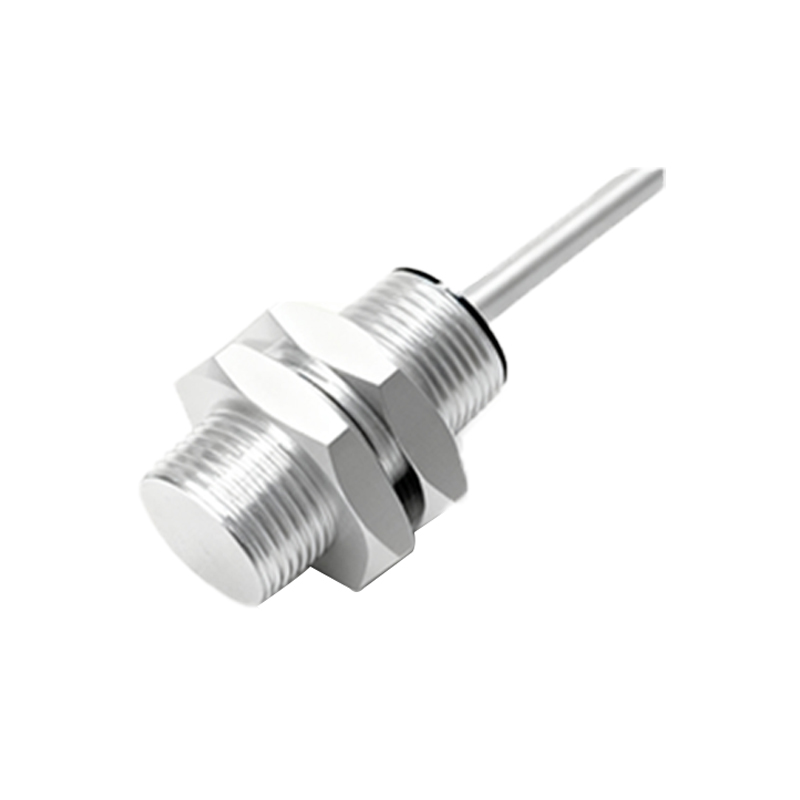
Beyond the technology type, the detailed specifications directly correlate with cost. The sensing range is a primary driver; a sensor with a 15mm range will be less expensive than one rated for 30mm, as the latter requires more precise coil winding or component calibration. The housing material also plays a significant role. Standard cylindrical sensors with nickel-plated brass or PBT housings offer a good balance of durability and cost. However, sensors requiring stainless steel housings (e.g., V4A/AISI 316) for corrosive environments or those with specialized FDA-approved plastics for food and beverage applications incur higher material and machining costs, elevating the factory price. Furthermore, the protection rating (IP67, IP68, IP69K) adds cost through more sophisticated sealing processes and rigorous testing.
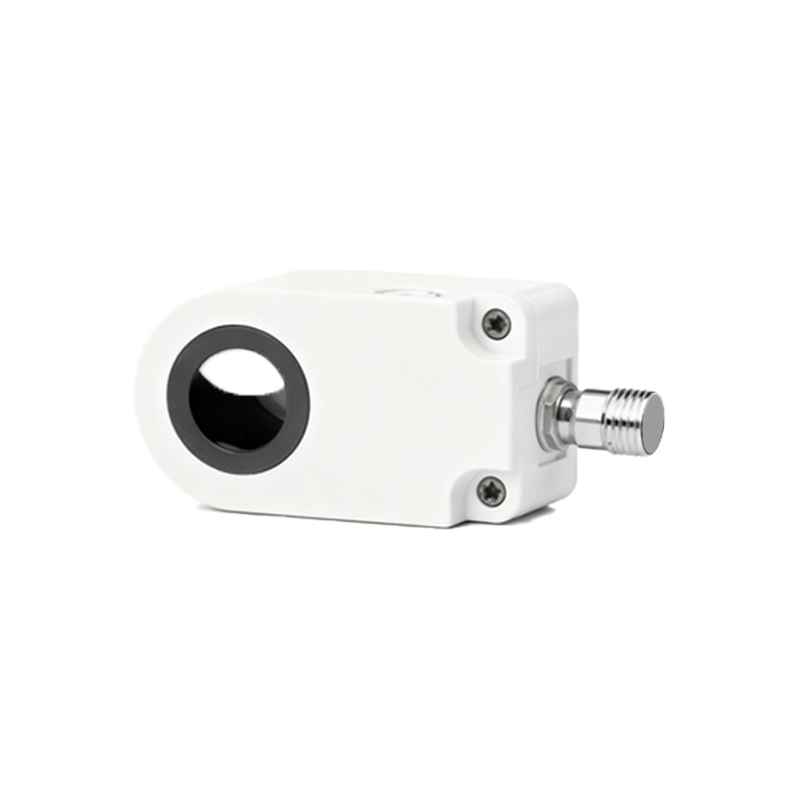
Electrical output and connection type are other critical factors. A basic 3-wire DC PNP normally open (NO) sensor is typically the standard and most economical configuration. Adding a normally closed (NC) function or an analog output (4-20mA, 0-10V) increases complexity and price. The choice between a pre-wired cable outlet or a quick-disconnect (M12, M8) connector also affects cost. While quick-disconnects offer easier maintenance, they add the cost of the connector itself to the sensor's base price. Special functions, such as short-circuit protection, reverse polarity protection, weld-field immunity (for inductive types), and IO-Link communication capability, are premium features. IO-Link sensors, in particular, which enable smart sensor functionality and data exchange, carry a substantial price premium due to integrated digital chips and compliance with communication standards.
Manufacturing scale and brand equity are overarching economic factors. Large-scale manufacturers producing millions of units annually benefit from economies of scale, allowing for competitive factory pricing. Established global brands (e.g., Siemens, Omron, Pepperl+Fuchs, Sick) often price their sensors higher, reflecting decades of R&D investment, proven reliability, extensive global distribution networks, and comprehensive technical support. In contrast, many reputable manufacturers, particularly from Asia, offer technically equivalent sensors at a lower factory price, competing effectively on value. The choice between brand premium and cost-saving is a key strategic decision.
It is crucial to view the factory price within the total cost of ownership (TCO). A lower-priced sensor with a shorter operational lifespan or higher failure rate can lead to costly unplanned downtime, replacement labor, and production losses. Therefore, evaluating the manufacturer's warranty period, mean time between failures (MTBF) data, and the availability of local technical support is as important as analyzing the initial price quote. For high-volume or critical applications, investing in a higher-priced sensor from a reliable supplier often proves more economical in the long run.
In conclusion, the factory price of a 24V proximity sensor is a multi-variable equation. Key determinants include the sensing technology (inductive, capacitive), critical specifications (range, housing, IP rating), output configuration and special features (IO-Link), and the manufacturer's brand and scale. A savvy buyer must align the sensor's technical capabilities with the specific application requirements, carefully weighing the initial purchase price against long-term reliability and operational costs. By conducting a thorough technical and commercial analysis, professionals can secure the optimal value, ensuring robust system performance and a favorable return on investment for their automation projects.