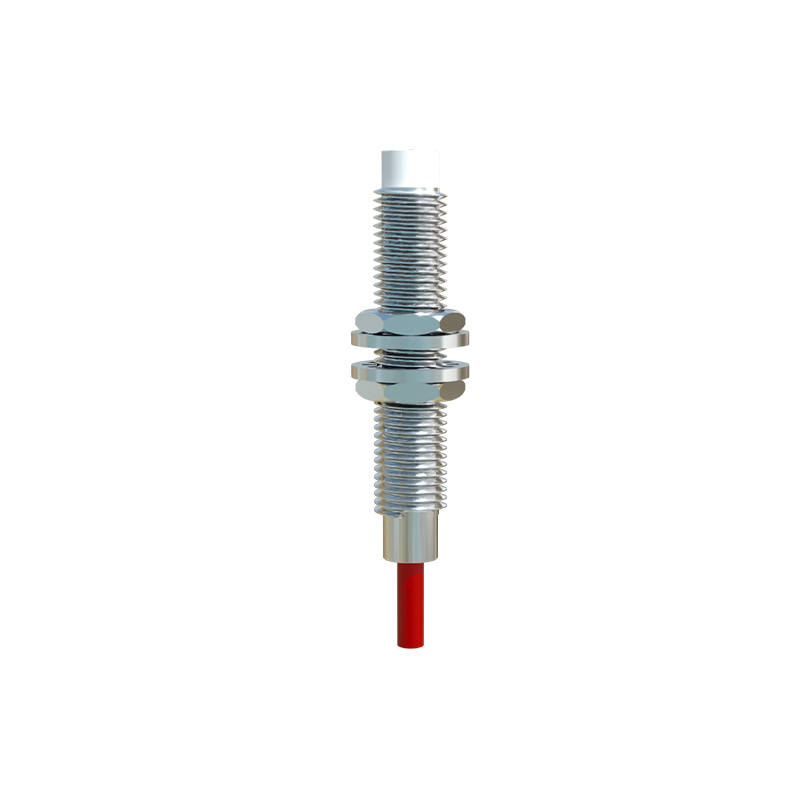
In the rapidly evolving landscape of industrial automation, the demand for compact, efficient, and multifunctional sensing solutions has never been greater. Among the innovative components driving this evolution are triple-function proximity sensors, commonly referred to as "three-in-one" sensors. These advanced devices integrate three distinct sensing capabilities—typically inductive, capacitive, and magnetic sensing—into a single, unified unit. This integration represents a significant leap forward from traditional single-function sensors, offering enhanced versatility, reduced installation complexity, and improved system reliability.
The core principle behind a triple-function proximity sensor lies in its ability to detect the presence, absence, or position of an object without physical contact. Inductive sensing is ideal for detecting metallic objects, utilizing electromagnetic fields to identify ferrous and non-ferrous metals. Capacitive sensing, on the other hand, can detect a wider range of materials, including liquids, plastics, and granular substances, by measuring changes in capacitance. Magnetic sensing completes the trio by specifically responding to magnetic fields, making it perfect for applications involving magnets or reed switches. By combining these three technologies, a single sensor can adapt to diverse environmental conditions and target materials, eliminating the need for multiple sensor installations and simplifying inventory management.
One of the primary advantages of three-in-one proximity sensors is their space-saving design. In modern manufacturing facilities, where machinery and equipment are densely packed, minimizing the footprint of each component is crucial. These integrated sensors reduce the number of mounting points, wiring connections, and control unit inputs required, leading to cleaner and more organized installations. This consolidation not only cuts down on material costs but also reduces the potential points of failure, thereby enhancing overall system uptime and maintenance efficiency. For instance, on a complex assembly line handling various materials—metal casings, plastic components, and liquid-filled containers—a single triple-function sensor can perform detection tasks that would otherwise require three separate devices.
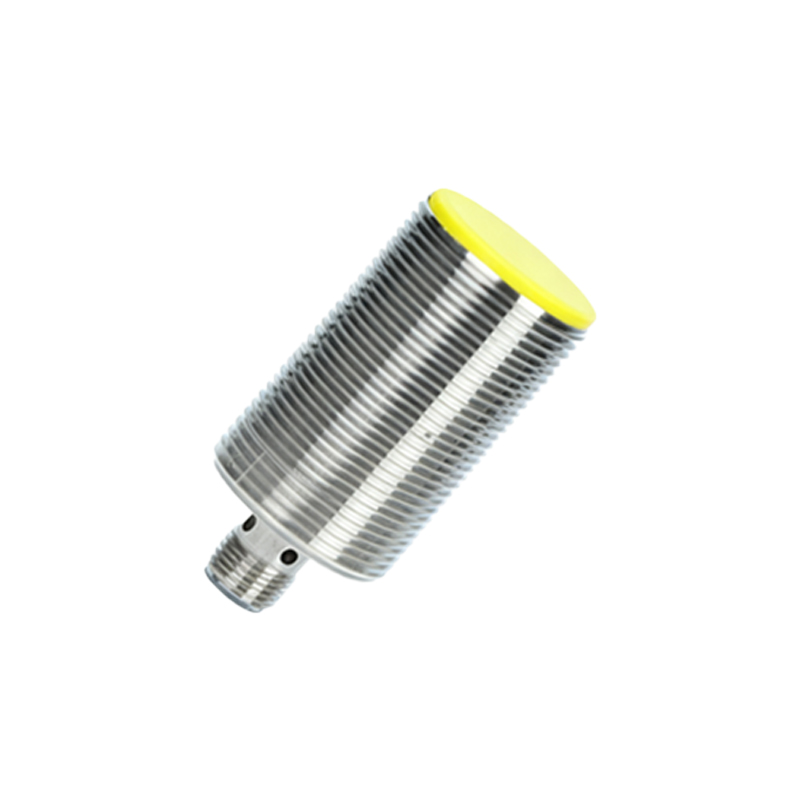
Applications for these versatile sensors span across numerous industries. In automotive manufacturing, they are employed for part verification, robotic guidance, and safety interlocks. In food and beverage processing, their ability to detect both metallic contaminants (via inductive mode) and liquid levels (via capacitive mode) ensures product quality and process control. The packaging industry benefits from their precision in counting, positioning, and monitoring non-metallic materials. Furthermore, in harsh environments where dust, moisture, or temperature fluctuations are present, the robust housing and advanced electronics of these sensors provide reliable operation, often meeting IP67 or higher ingress protection ratings.
When selecting a triple-function proximity sensor for a specific application, several technical parameters must be considered. Sensing range, response time, output type (e.g., NPN, PNP, analog, or IO-Link), and environmental durability are key factors. Modern versions often feature smart functionalities, such as programmable operating modes, self-diagnostic capabilities, and digital communication interfaces like IO-Link. This connectivity allows for real-time data exchange with higher-level control systems, enabling predictive maintenance, parameter adjustments on-the-fly, and seamless integration into Industry 4.0 frameworks. The ability to remotely configure the sensor for inductive, capacitive, or magnetic mode based on the task at hand adds a layer of operational flexibility previously unattainable.
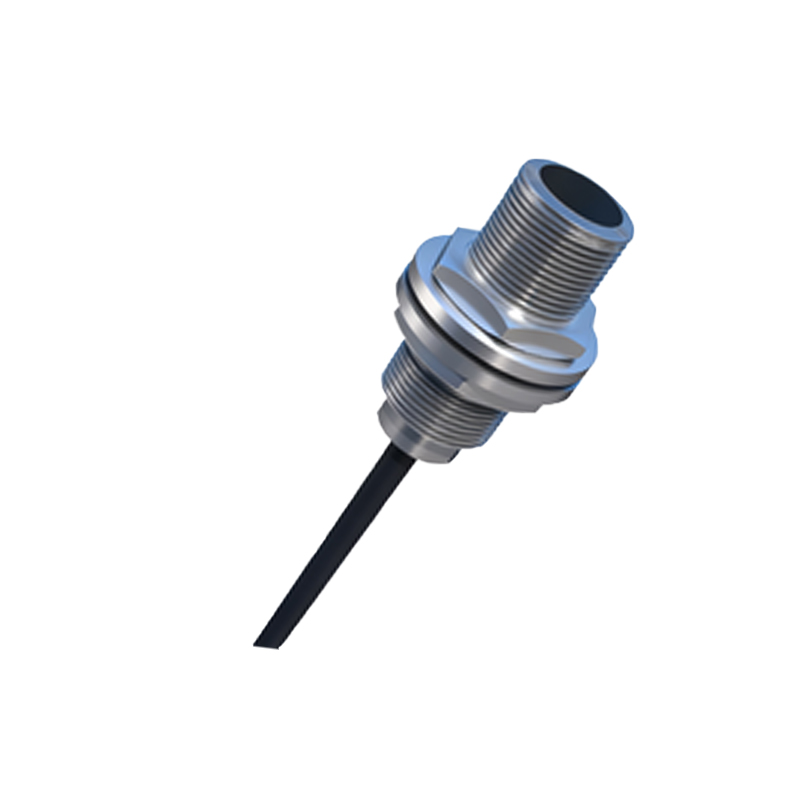
Looking ahead, the future of triple-function proximity sensors is intertwined with the growth of the Industrial Internet of Things (IIoT) and smart factory initiatives. As machines become more interconnected and data-driven, sensors will evolve from mere detection devices into intelligent nodes that provide actionable insights. We can anticipate further miniaturization, increased sensing ranges, and enhanced energy efficiency. Additionally, the integration of artificial intelligence algorithms could enable these sensors to automatically identify material types and adjust their parameters autonomously, pushing the boundaries of adaptive automation.
In conclusion, triple-function proximity sensors embody the trend toward integration and intelligence in industrial sensing. By merging inductive, capacitive, and magnetic technologies, they offer a compelling solution for reducing complexity, saving space, and boosting reliability in automated systems. Engineers and system designers are encouraged to evaluate these multifunctional devices for their next project, as they represent a strategic investment in building more resilient, efficient, and future-ready operations. As technology continues to advance, the role of such innovative sensors will only become more pivotal in shaping the factories of tomorrow.