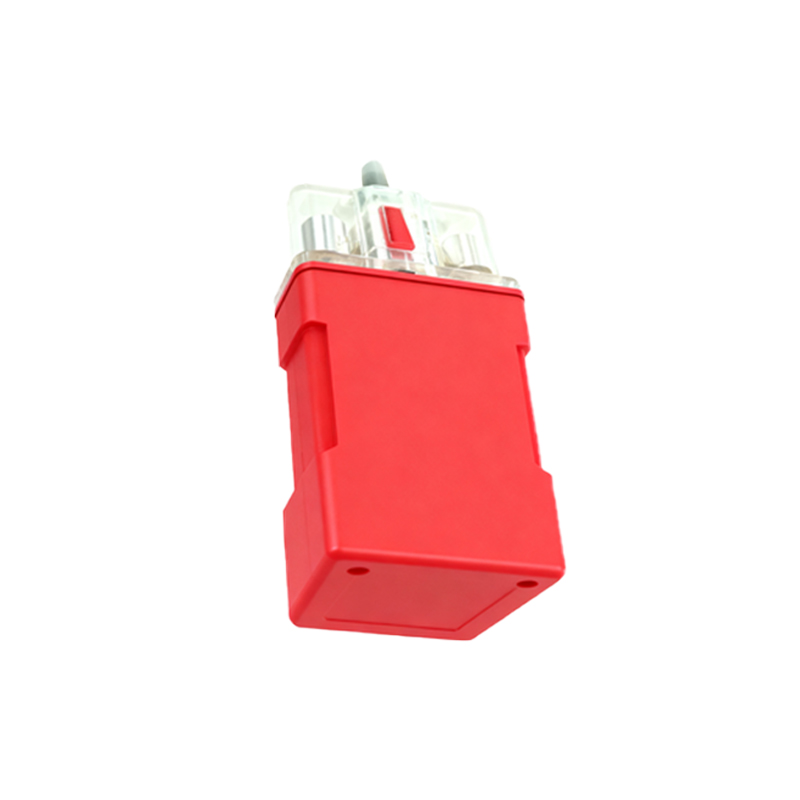
In modern industrial automation, proximity sensors play a critical role in detecting the presence or absence of objects without physical contact. Selecting the right proximity sensor for a specific application requires careful consideration of multiple factors to ensure reliability, accuracy, and cost-effectiveness. This article outlines key principles to guide engineers and technicians in making informed decisions.
First, understand the sensing technology. Proximity sensors are primarily categorized into inductive, capacitive, ultrasonic, and photoelectric types. Inductive sensors are ideal for detecting metallic objects, offering high precision and resistance to environmental contaminants like dust or oil. Capacitive sensors can detect both metallic and non-metallic materials, including liquids and powders, making them suitable for level sensing or material handling. Ultrasonic sensors use sound waves to measure distance or detect objects, excelling in harsh environments with temperature variations or airborne particles. Photoelectric sensors rely on light beams and are versatile for long-range detection but may be affected by ambient light or transparent materials.
Second, evaluate the operating environment. Factors such as temperature extremes, humidity, vibration, and exposure to chemicals can impact sensor performance. For instance, in high-temperature settings like foundries, sensors with robust housing and thermal stability are essential. In washdown areas or outdoor installations, IP-rated (Ingress Protection) sensors resistant to water and corrosion should be prioritized. Additionally, consider electromagnetic interference (EMI) in areas with heavy machinery, as it can cause false triggers; shielded or immune sensors may be necessary.
Third, define the application requirements. Key parameters include sensing range, response time, output type, and mounting constraints. The sensing range must match the distance at which the target object will be detected, with a safety margin to account for variations. Fast-moving assembly lines demand sensors with millisecond-level response times to maintain throughput. Output types—such as NPN, PNP, analog, or IO-Link—should align with the control system’s compatibility. Mounting space and orientation also matter; compact sensors are preferable in tight layouts, while adjustable models offer flexibility.
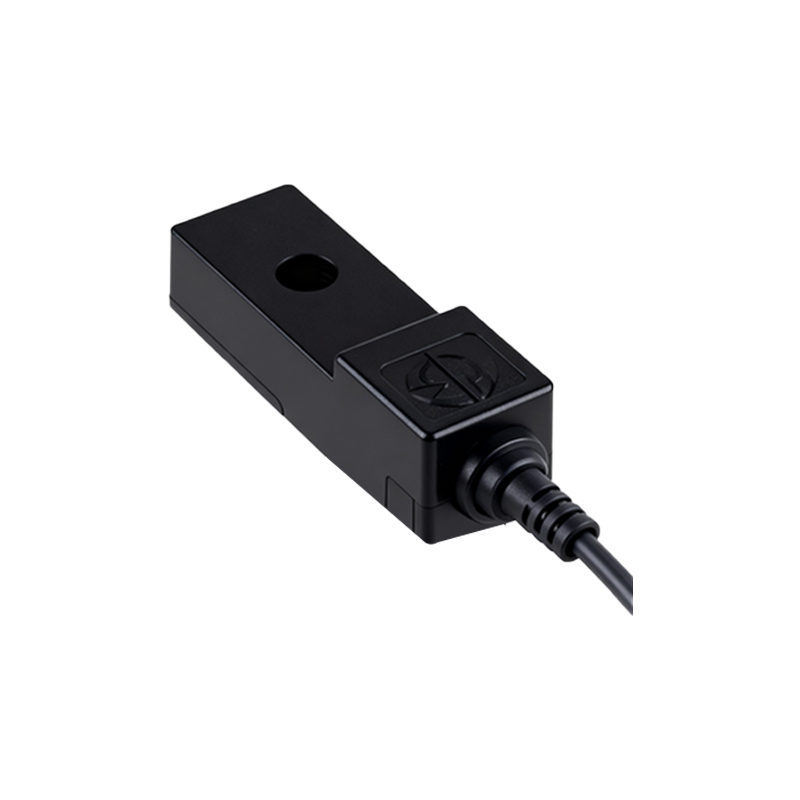
Fourth, consider material and target characteristics. For inductive sensors, the target’s metal type (e.g., steel, aluminum) affects the effective sensing range, as non-ferrous metals may require reduced distances. Capacitive sensors are sensitive to material dielectric constants; thus, calibration might be needed for consistent detection. Object size, shape, and color (for photoelectric sensors) can influence accuracy—small or irregular targets may necessitate specialized sensor designs.
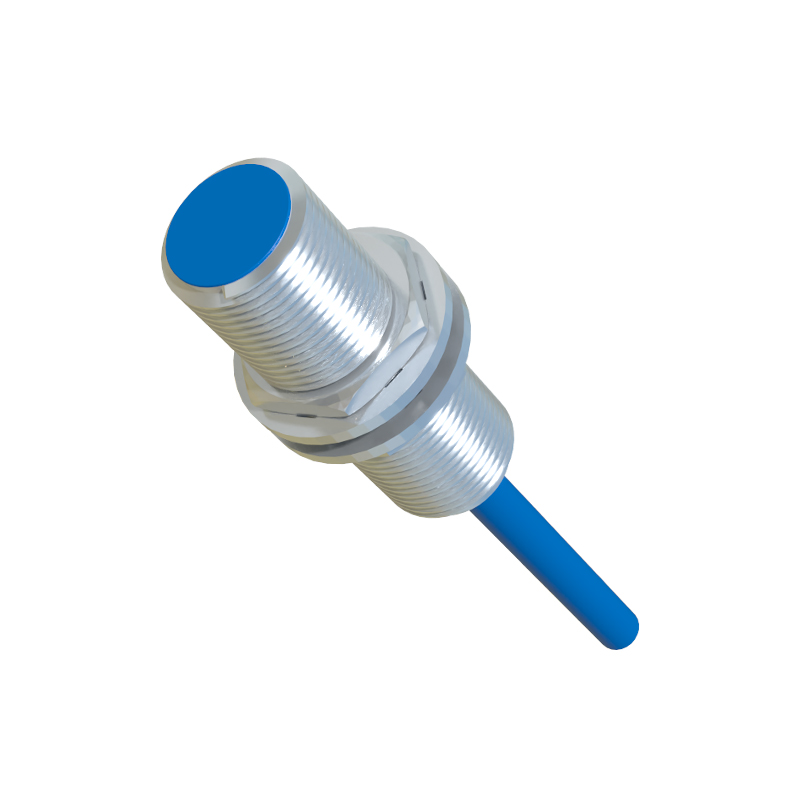
Fifth, factor in lifecycle costs and maintenance. While initial price is important, long-term reliability reduces downtime and replacement expenses. Look for sensors with durable construction, self-diagnostic features, and easy installation. Brands with strong technical support and availability of spare parts add value. In high-volume applications, energy-efficient sensors can lower operational costs over time.
Lastly, test before full-scale deployment. Prototyping or pilot runs help validate sensor performance under real conditions, allowing adjustments for optimal placement or settings. Document specifications and environmental data to streamline future upgrades or troubleshooting.
By adhering to these principles—technology alignment, environmental assessment, application specificity, target analysis, cost evaluation, and testing—engineers can select proximity sensors that enhance system efficiency and longevity. As Industry 4.0 advances, integrating smart sensors with IoT capabilities may further optimize predictive maintenance and data-driven operations.