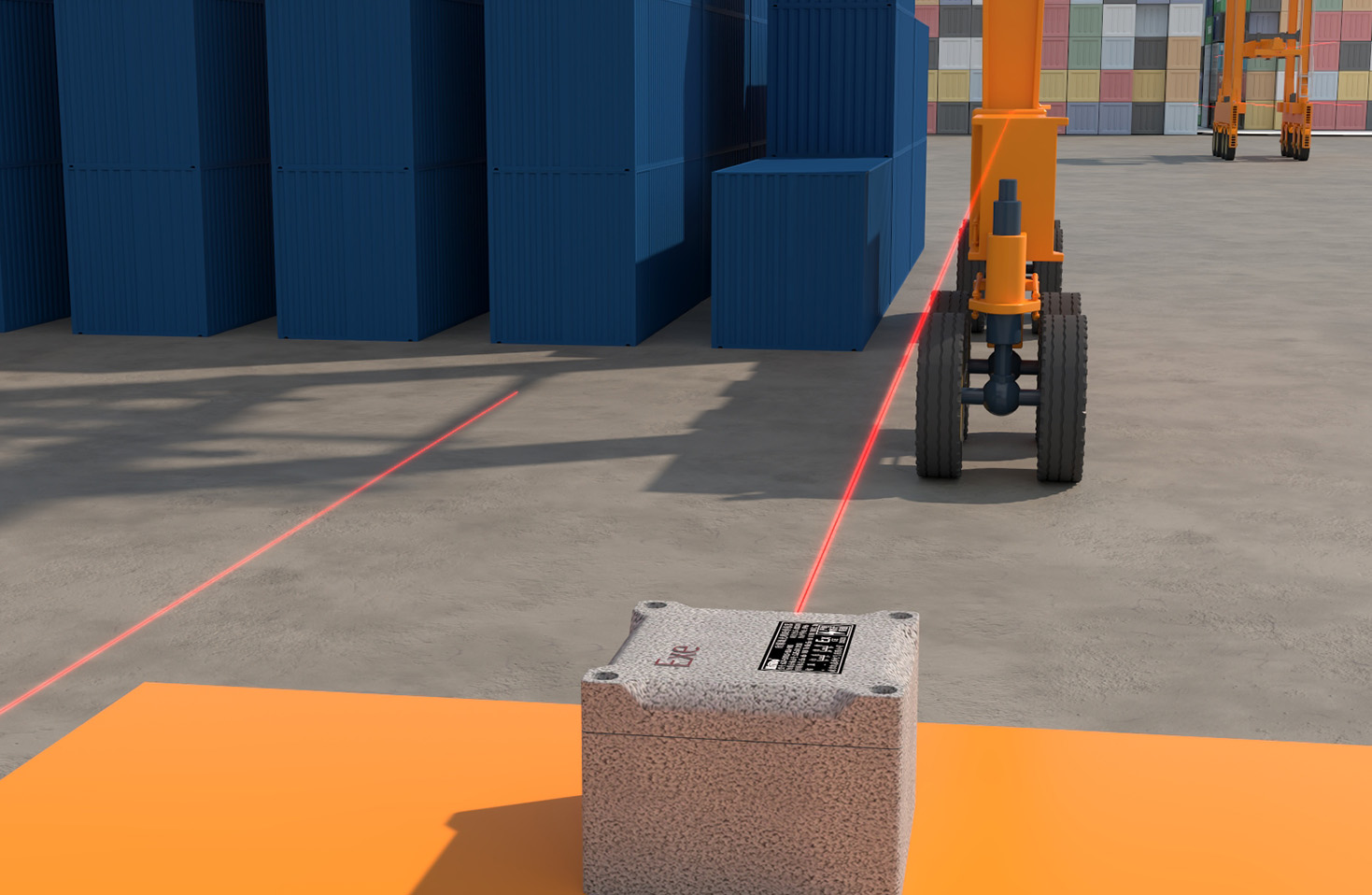
Weighing sensor laser technology represents a significant advancement in precision measurement systems, integrating optical principles with traditional load cell mechanisms to achieve unparalleled accuracy and reliability. This technology utilizes laser interferometry or laser triangulation methods to detect minute displacements or deformations in sensor elements, translating these physical changes into highly precise weight readings. Unlike conventional strain gauge sensors that rely on electrical resistance variations, laser-based systems offer non-contact measurement, eliminating mechanical hysteresis and reducing wear.
The core principle involves directing a coherent laser beam onto a reflective target attached to the sensing element. As weight is applied, the target undergoes microscopic movement, altering the reflected beam's path or phase. Sophisticated photodetectors and signal processors analyze these alterations, calculating weight with resolutions often reaching sub-micron levels. This method is particularly effective in harsh environments where temperature fluctuations, vibrations, or electromagnetic interference might compromise traditional sensors.
In industrial applications, weighing sensor lasers are revolutionizing processes in pharmaceutical manufacturing, aerospace component testing, and high-precision logistics. For instance, in pharmaceutical production, they ensure exact filling quantities for active ingredients, adhering to strict regulatory standards. Aerospace engineers employ these sensors for thrust measurement and structural load testing, where even minor inaccuracies can have catastrophic consequences. Additionally, logistics and warehousing benefit from laser-based dynamic weighing systems that accurately measure parcels on high-speed conveyor belts without stopping the flow.
The advantages are manifold: enhanced long-term stability, reduced calibration frequency, and immunity to many environmental factors. However, challenges such as higher initial costs, sensitivity to ambient light contamination, and the need for precise optical alignment must be considered. Future developments point toward miniaturization, integration with IoT for real-time data analytics, and the use of fiber lasers for even greater robustness. As industries increasingly demand higher precision and reliability, weighing sensor laser technology is poised to become a cornerstone of modern industrial measurement, driving efficiency and quality control to new heights.

Implementing this technology requires a thorough understanding of both metrology and optical engineering. Proper installation involves calibrating the laser's wavelength, ensuring the target surface's reflectivity, and configuring the detector's sensitivity. Maintenance typically focuses on keeping optical components clean and verifying alignment, as dust or misalignment can significantly degrade performance. With continuous advancements in laser diodes and digital signal processing, these systems are becoming more accessible and versatile, promising wider adoption across diverse sectors seeking to optimize their weighing and force measurement capabilities.