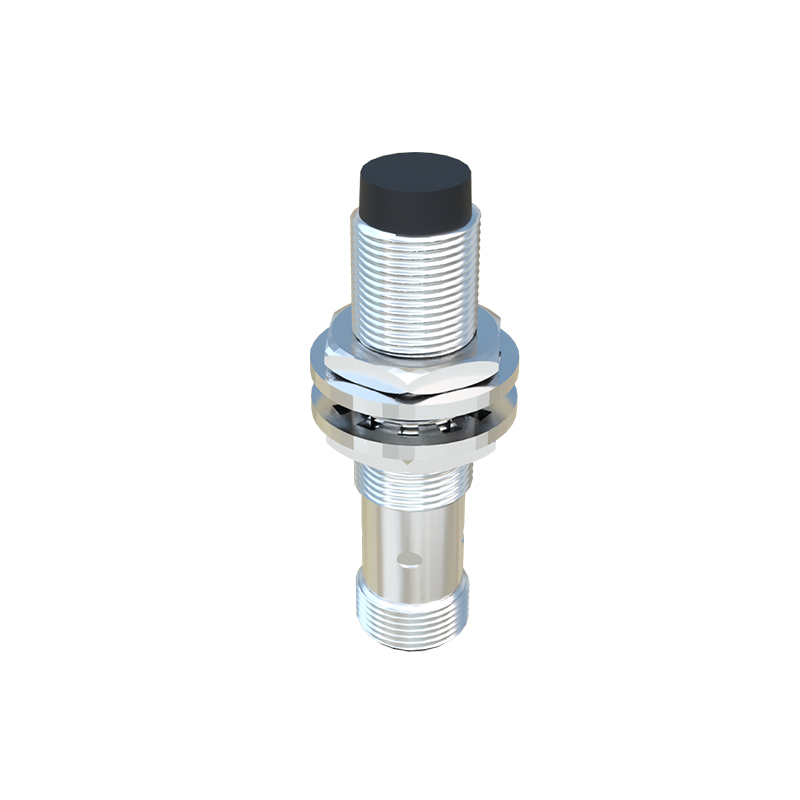
In the realm of industrial automation, proximity sensors are indispensable components, providing non-contact detection of objects. Their performance, particularly sensitivity, directly impacts system reliability, efficiency, and safety. Sensitivity, in this context, refers to the sensor's ability to detect a target at a specified distance under defined conditions. A comprehensive analysis of sensitivity is not merely about the nominal sensing range but involves a multifaceted examination of influencing factors and their practical implications.
The core principle behind inductive and capacitive proximity sensors—the two most common types—fundamentally dictates their sensitivity characteristics. Inductive sensors generate an electromagnetic field and detect the eddy currents induced in metallic targets. Their sensitivity is therefore intrinsically linked to the target's material properties. Ferrous metals like steel typically yield the longest sensing distances, while non-ferrous metals such as aluminum or copper may reduce the effective range by 30-60%. The target's size, shape, and orientation also play critical roles. A standard rule is that the target should be at least equal to the sensor's face diameter for optimal performance. For smaller targets, sensitivity drops significantly.
Capacitive sensors, which detect changes in capacitance caused by the presence of any material, have different sensitivity drivers. Here, the dielectric constant of the target material is paramount. Materials with high dielectric constants (e.g., water, metals) are easily detected, while low-constant materials (e.g., plastics, dry wood) require careful tuning. Furthermore, capacitive sensors are susceptible to environmental influences like humidity, dust, or contamination on the sensor face, all of which can alter the baseline capacitance and cause false triggering if not accounted for.
Beyond target and material properties, environmental and electrical factors are paramount in sensitivity analysis. Temperature fluctuations can affect the oscillator circuitry within the sensor, potentially shifting the detection threshold. High-quality sensors specify temperature drift coefficients. Electrical noise from variable frequency drives (VFDs), welding equipment, or other sensors can induce stray signals that interfere with the sensor's internal electronics, effectively masking or mimicking a true target signal. Proper shielding, grounding, and maintaining a safe physical distance from noise sources are essential mitigation strategies.
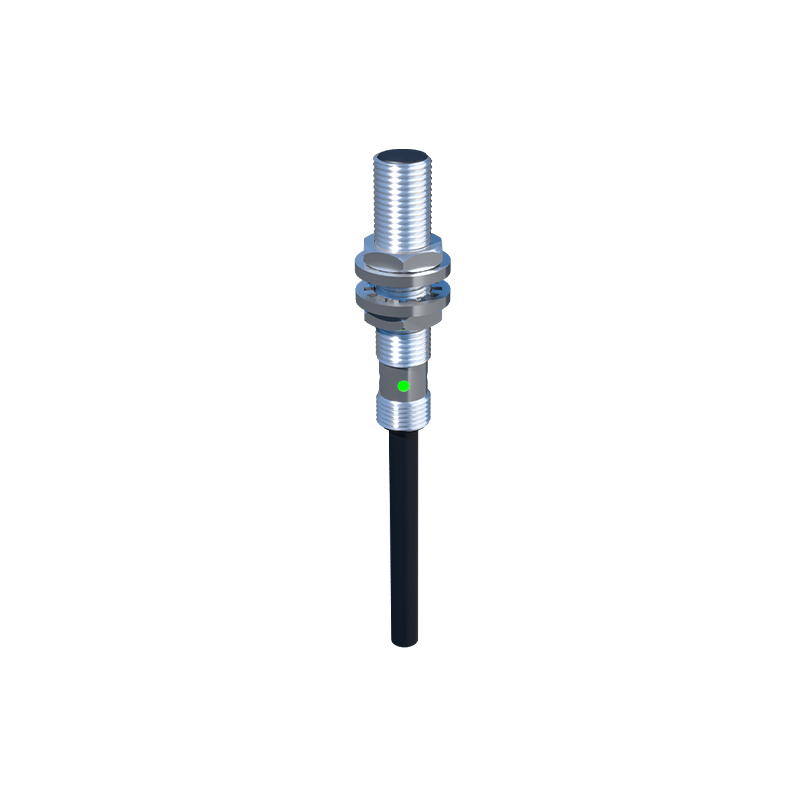
The installation and mechanical setup constitute another critical dimension. Sensor mounting in metallic surroundings (flush or non-flush) dramatically affects the sensing field. A flush-mounted inductive sensor has a reduced range as the field is constrained, whereas non-flush mounting allows for an extended field. Misalignment between the sensor and the expected target path can lead to inconsistent detection. Vibration can cause momentary changes in the relative distance, potentially leading to signal chatter if the operating point is set too close to the sensitivity limit.
To optimize sensitivity for a given application, a systematic approach is required. First, select the correct sensor type (inductive, capacitive, ultrasonic, photoelectric) based on the target material and environmental conditions. Second, always refer to the manufacturer's data sheets for derating curves, which show the actual sensing distance (Sn) as a function of target size, material, and supply voltage. Third, utilize the sensor's built-in adjustment mechanisms, such as potentiometers or teach-in functions, to fine-tune the sensitivity for the specific target and to provide a hysteresis buffer against environmental noise. Fourth, implement robust installation practices: use brackets to minimize vibration, ensure proper alignment, and follow guidelines for minimum separation distances between multiple sensors to prevent mutual interference (cross-talk).
Regular maintenance and calibration checks are often overlooked but are vital for long-term sensitivity stability. Accumulation of metallic dust on an inductive sensor or build-up of material on a capacitive sensor face can effectively "shorten" the sensor, reducing its effective range. A scheduled cleaning routine prevents this performance degradation. For critical applications, periodic verification of the actual trigger point against a known standard target ensures continued reliability.
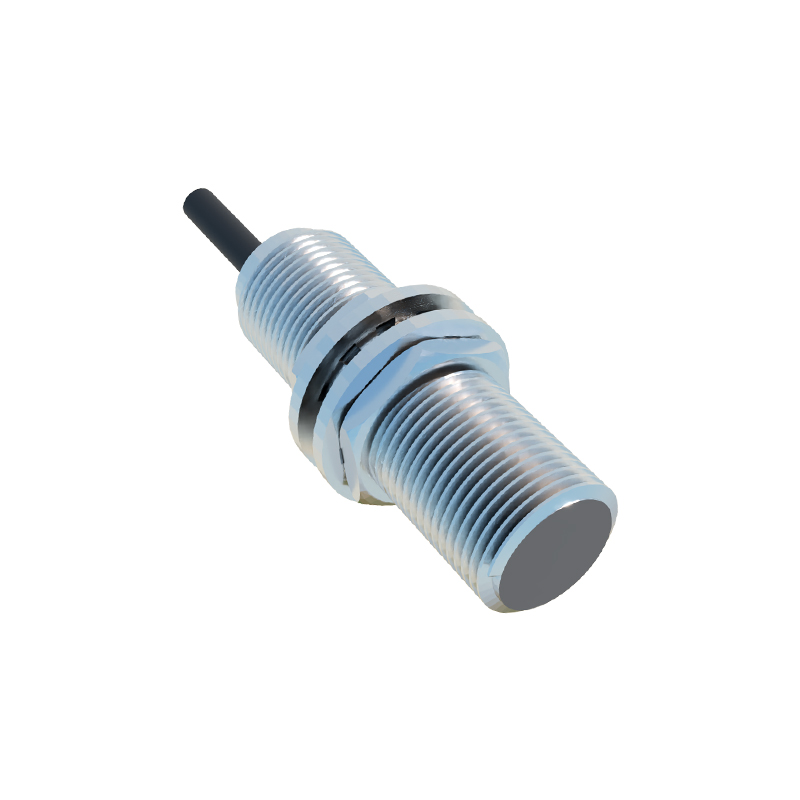
In conclusion, proximity sensor sensitivity is a dynamic parameter, not a fixed value. A deep understanding of the interplay between sensor technology, target characteristics, electrical environment, and mechanical installation is crucial for engineers. By conducting a thorough sensitivity analysis during the design phase and implementing the outlined optimization strategies, one can achieve robust, fail-safe detection that enhances overall system performance and minimizes costly downtime. The goal is to establish a stable operating point with sufficient margin, ensuring detection reliability without succumbing to false triggers from edge-case conditions.