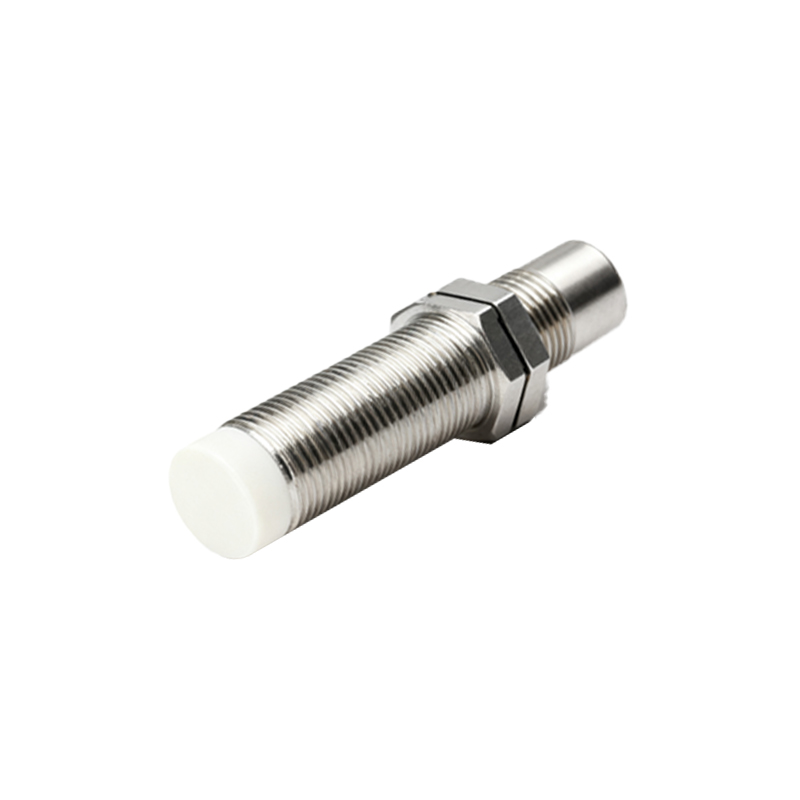
Ultra-long range proximity sensors represent a significant advancement in industrial automation, enabling non-contact detection of objects at distances far exceeding conventional inductive or capacitive sensors. These sensors typically operate on principles such as ultrasonic, laser, or microwave technology, each offering distinct advantages for specific applications. Ultrasonic sensors, for instance, emit high-frequency sound waves and measure the time delay of reflected echoes to calculate distance. They are highly effective in environments with dust, smoke, or varying lighting conditions, making them suitable for material handling and level monitoring. Laser-based proximity sensors utilize focused light beams, often employing time-of-flight or triangulation methods to achieve precise measurements over extended ranges, sometimes up to several hundred meters. Their accuracy and speed are invaluable in robotics, automotive assembly, and logistics for positioning and obstacle detection. Microwave sensors, which rely on electromagnetic wave reflection, excel in penetrating non-metallic materials and are commonly used in traffic management and large-scale industrial sensing. A key aspect of ultra-long range sensors is their ability to maintain reliability despite environmental interference. Advanced signal processing algorithms filter out noise, while temperature compensation mechanisms ensure consistent performance. Integration with industrial networks, such as IO-Link or Ethernet/IP, allows for real-time data transmission and remote configuration, enhancing operational efficiency. However, selecting the appropriate sensor requires consideration of factors like target material, surface properties, and ambient conditions. For example, dark or absorbent surfaces may reduce laser sensor effectiveness, while ultrasonic sensors might struggle with soft or uneven objects. Regular calibration and maintenance are essential to sustain accuracy over time. As Industry 4.0 evolves, these sensors are increasingly embedded with smart features like predictive diagnostics and adaptive sensing thresholds, contributing to safer and more automated workflows. In summary, ultra-long range proximity sensors are pivotal in modern industrial systems, offering versatile, long-distance detection capabilities that drive productivity and innovation across sectors from manufacturing to infrastructure.